
Empowering Your Neurodivergent Child with Personalised Daily Routines
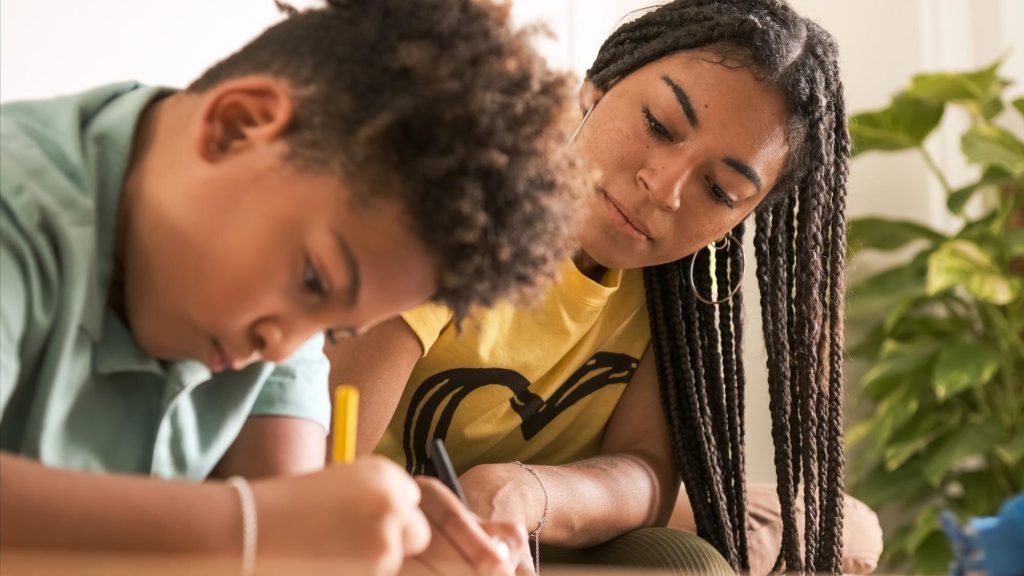
Personalised routines tailored to your neurodivergent child’s strengths and challenges build confidence, independence, and reduce anxiety. Embrace flexibility, celebrate differences, and seek community support.
Daily Habits to Boost Confidence in Neurodivergent Individuals

Daily habits like celebrating small wins, encouraging self-advocacy, practicing mindfulness, fostering creativity, creating safe spaces, and building positive relationships boost confidence in neurodivergent individuals.
Creating Effective Routines: Supporting Emotional Regulation in Neurodivergent Children
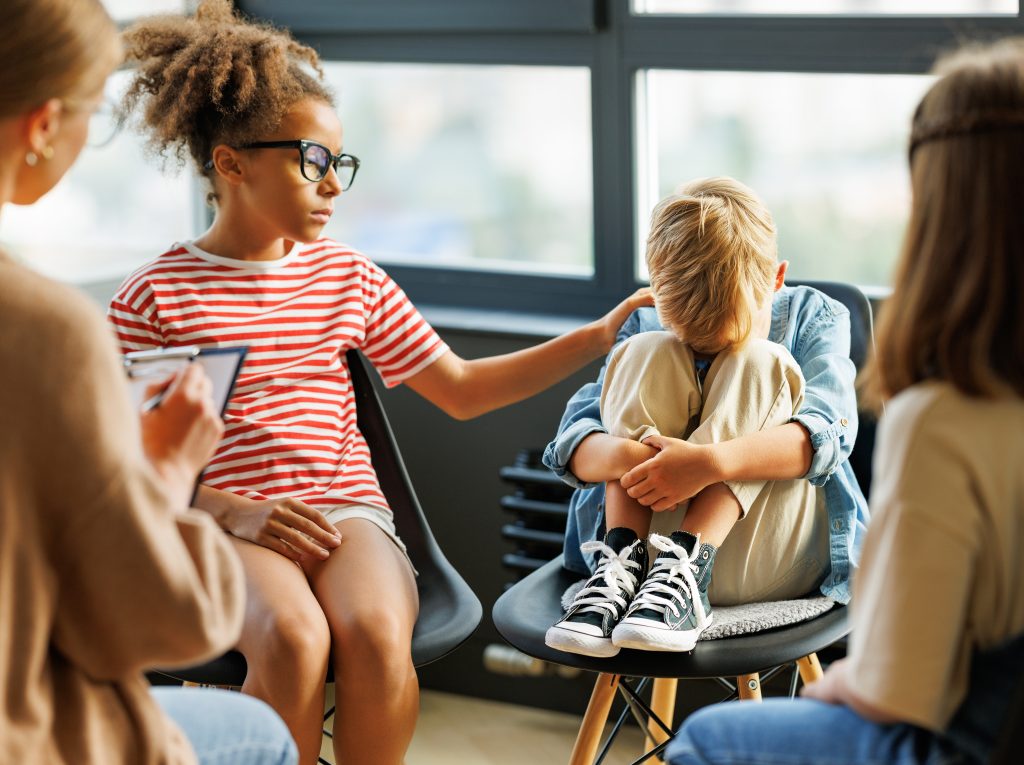
Effective routines with structure, visual schedules, and sensory-friendly spaces support emotional regulation in neurodivergent children, fostering confidence, belonging, and celebration of individual differences.
Personalised Strategies for Neurodivergent Individuals
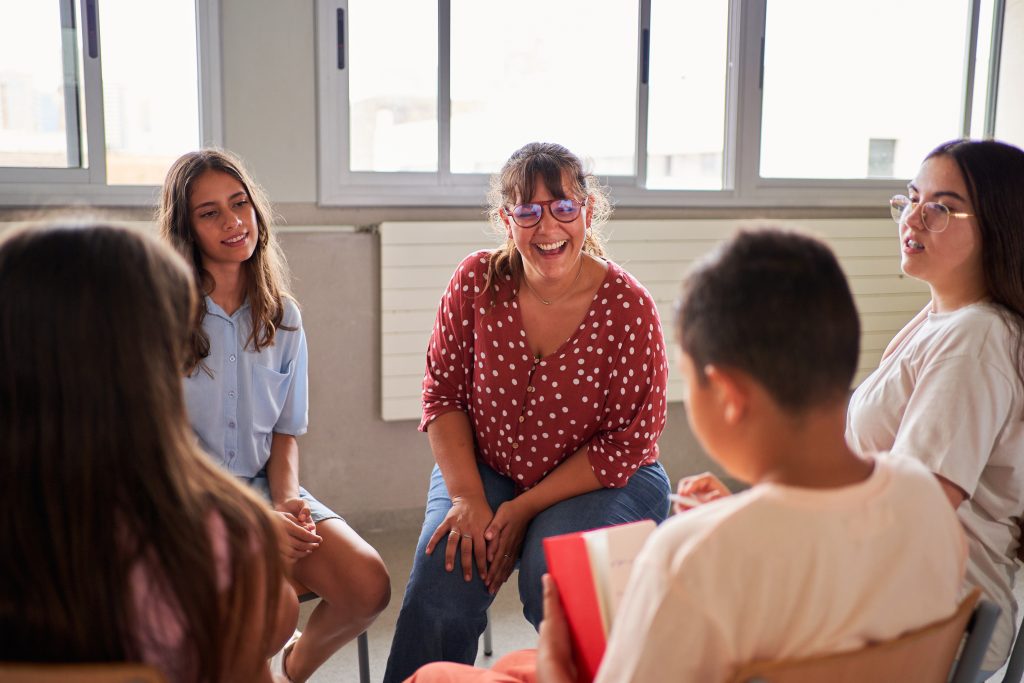
Personalised strategies at the School of Neurodiversity empower neurodivergent individuals by boosting confidence, reducing overwhelm, and fostering inclusive, strength-based environments.
Building Resilience in Neurodiverse Families: The Power of Routine
Building resilience in neurodiverse families through consistent routines, tailored support, effective communication, emotional regulation tools, and community connections fosters calm, confidence, and belonging.
Creating Inclusive Classrooms: Top Tips for Educators
Tips for inclusive classrooms: understand neurodiverse learners, celebrate strengths, use flexible teaching and spaces, foster open communication, and create welcoming environments to empower all students.
Unlocking Potential: Practical Tools for Embracing Neurodiversity in the Classroom

This guide offers practical tools and strategies for embracing neurodiversity in classrooms, promoting inclusion, adapting lessons, and building supportive educator networks to empower all students.
Nurturing Resilience in Neurodiverse Families: Small Daily Habits That Make a Big Difference
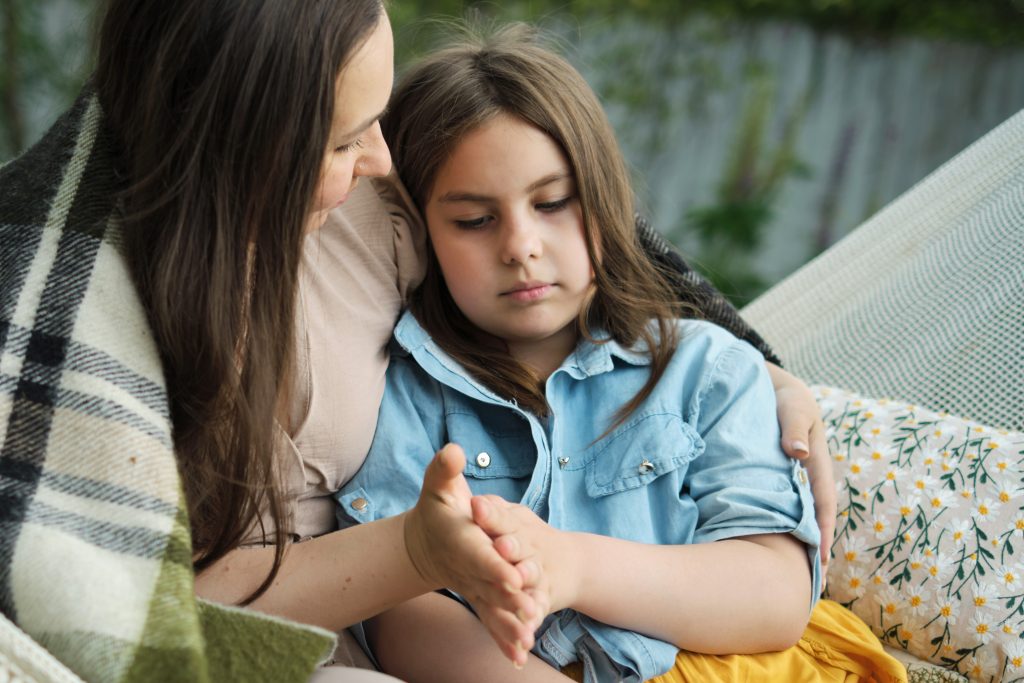
This guide offers simple daily habits—routines, open communication, mindfulness, and positive affirmations—to nurture resilience and celebrate uniqueness in neurodiverse families.
Building Resilience in Neurodiverse Families: The Power of Routines and Celebrations
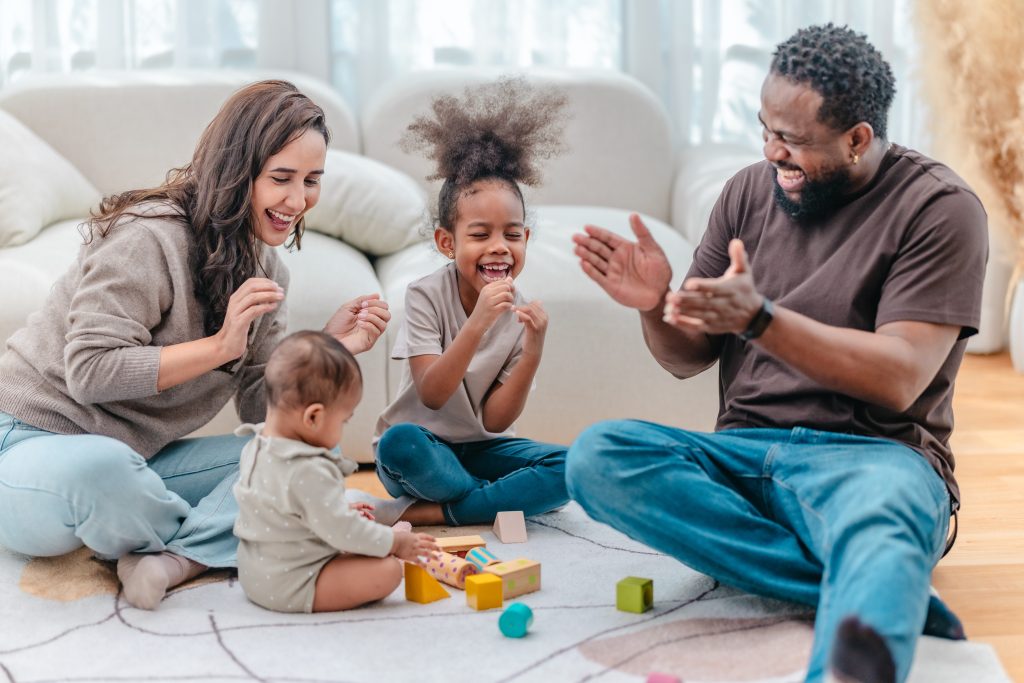
Neurodiverse families build resilience through consistent yet flexible routines, celebrating small victories, encouraging family participation, and sharing supportive resources to foster confidence and belonging.