
Stronger Together: Building Resilience in Neurodiverse Families with Understanding and Gentle Routines
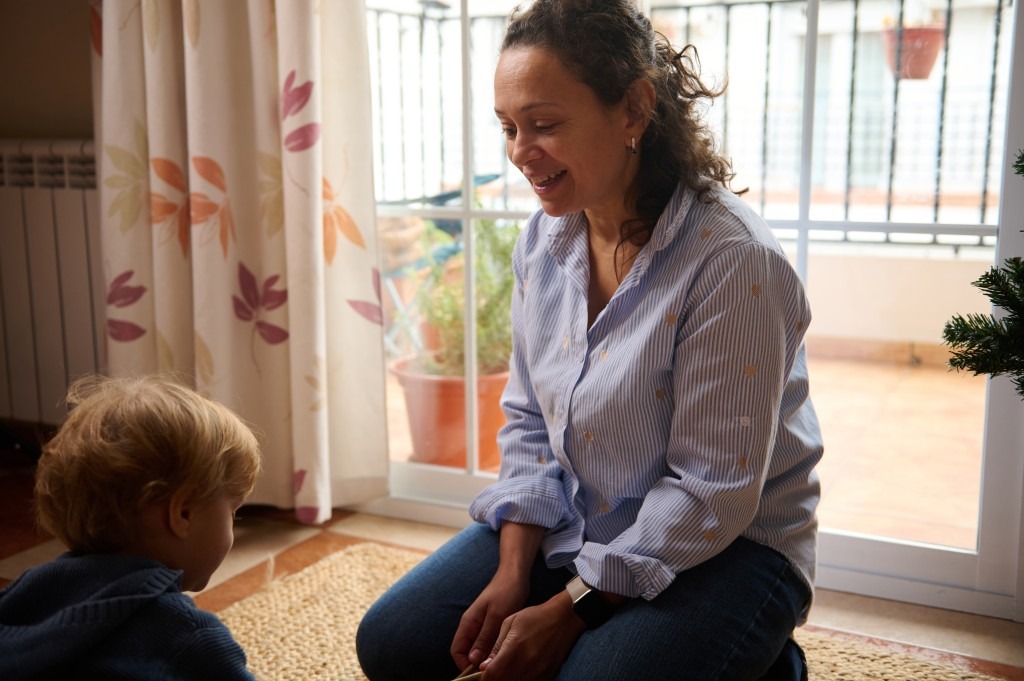
This guide from the School of Neurodiversity highlights empathy, sensory understanding, and gentle, predictable routines with visual aids to build resilience in neurodiverse families.
Organisation That Fits: Practical Strategies for Neurodiverse Minds at Home and School
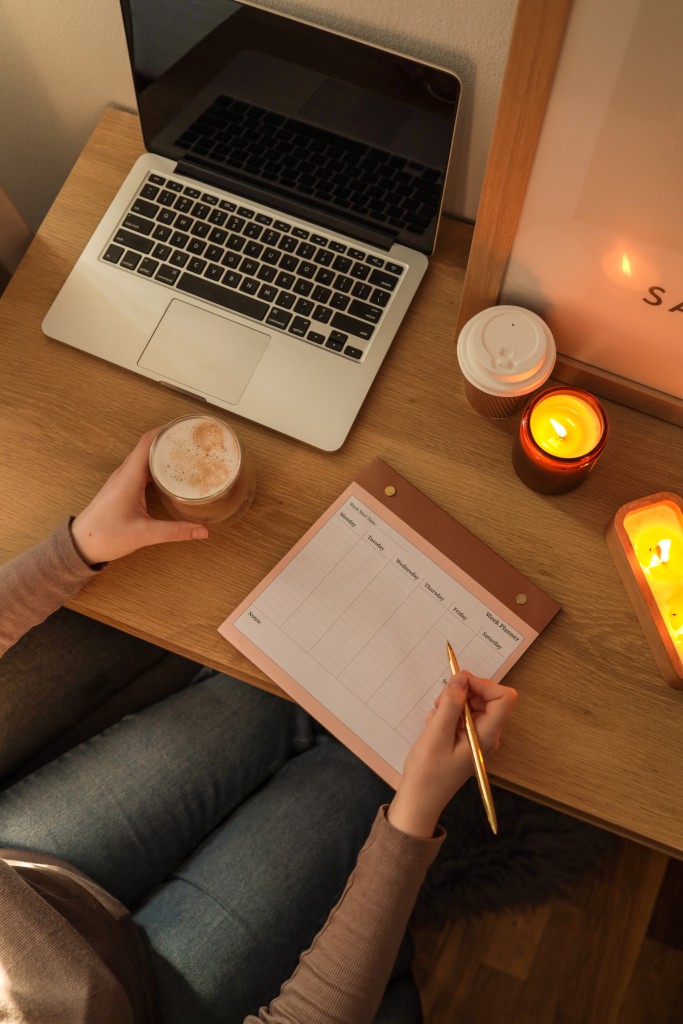
Practical strategies for neurodiverse minds (ADHD, autism, dyslexia, dyscalculia) include tailored organisation, sensory-friendly spaces, visual schedules, task breakdowns, home-school communication, and support resources to reduce stress and boost confidence.
Supporting families: tools and techniques to empower neurodivergent children at home
This guide offers UK-based, strengths-focused tools for supporting neurodivergent children at home, including inclusive parenting, sensory-friendly environments, visual timetables, ADHD routines, and autism communication strategies.
Personalised routines that support neurodivergent children’s wellbeing

Personalised routines for neurodivergent children reduce anxiety, support sensory/emotional regulation, encourage independence, and aid school readiness through tailored, flexible, and visual daily structures.
Creating sensory‑friendly spaces at home and school: practical tips that help everyone

This guide offers practical tips to create sensory-friendly home and school spaces through lighting, calming corners, visual aids, movement breaks, flexible seating, and behaviour supports, fostering inclusion.
Stronger Together: Building Resilience in Neurodiverse Families with Routine

This guide emphasizes building resilience in neurodiverse families through understanding unique strengths, fostering inclusive parenting, and establishing predictable routines tailored for ADHD and autism, supported by practical strategies and UK resources.
Creating Calming Routines for Neurodivergent Children: Strategies for Home and School
This guide offers strategies to create calming routines for neurodivergent children at home and school, emphasizing understanding neurodiversity, celebrating strengths, sensory engagement, inclusive teaching, and parent-educator collaboration.
Simple Sensory-Friendly Adjustments for a Better Everyday Life

Simple sensory-friendly adjustments—like calming colors, quiet spaces, flexible seating, visual supports, and personalized tools—enhance comfort and inclusivity in homes, schools, and daily life.
Empower Your Child: Practical Tools and Routines for Emotional Regulation at Home and School
Guide offers practical tools—visual supports, inclusive behavior plans, sensory tips, and routines—to help neurodivergent children regulate emotions at home and school, fostering calm, confidence, and inclusion.
Easy Sensory Hacks to Boost Calm and Focus Today

Easy sensory hacks—like reducing clutter, using soft lighting, calming aromas, tactile tools, and personalized soundscapes—boost calm and focus for neurodivergent individuals, fostering inclusive, supportive spaces.