
ADHD • Everyday support
ADHD behaviour strategies for children
Practical ways to make routines clearer, reduce overwhelm and help your child build skills with support.
Start with what your child finds difficult, what helps and the changes adults can make. Choose a manageable starting point and adapt it together.
Understanding comes first
Ask what is making the situation difficult
A strategy is more useful when it addresses the barrier your child is facing.
Notice the task, setting and timing. Is the instruction unclear, the activity too long or the environment distracting? Consider tiredness, discomfort and other needs rather than assuming every difficulty is caused by ADHD.
Choose one priority
Start with one routine or skill that would make daily life easier for your child and family.
Make a small change
Try a clearer instruction, shorter task or visual reminder. Include your child in choosing what to try.
Notice the effect
Look for reduced distress, easier participation or less prompting. Adapt support if it is not helping.
Tools to try
Make everyday expectations easier to manage
Predictable routines
Use a simple sequence for mornings or bedtime. A picture checklist can show the next step without repeated verbal reminders.
Clear instructions
Give one manageable instruction in a calm voice. Allow time to process and check what your child understood.
Smaller task steps
Make the starting point obvious. Break longer activities into shorter parts, with breaks that suit your child.
Supported transitions
Give notice before changing activities. Try a visual countdown if helpful and explain what will happen next.
Less distraction
Explore noise, clutter and competing demands. Ask whether a calmer working area makes the task easier.
Practice with support
Model a brief pause or offer two manageable choices when your child is calm. Keep adult supervision appropriate to any safety risks.
Support emotional regulation
Plan for difficult moments before they happen
When your child is calm
Explore early signs of overwhelm and ask what feels helpful. Agree a way to request a break and a comfortable space they can use with support.
Practise any chosen calming approach without pressure, and notice situations that repeatedly lead to difficulty.
When distress is rising
Keep your own language calm and brief. Reduce unnecessary demands and stimulation where possible, and prioritise safety.
Allow time to recover. Discuss what happened later, when your child is ready, rather than trying to teach a new skill during peak distress.
Review the situation together
Ask “What made that hard?” and “What could help next time?” Adapt the environment and adult response as well as supporting your child’s skills.
Encouragement without pressure
Use praise and rewards thoughtfully
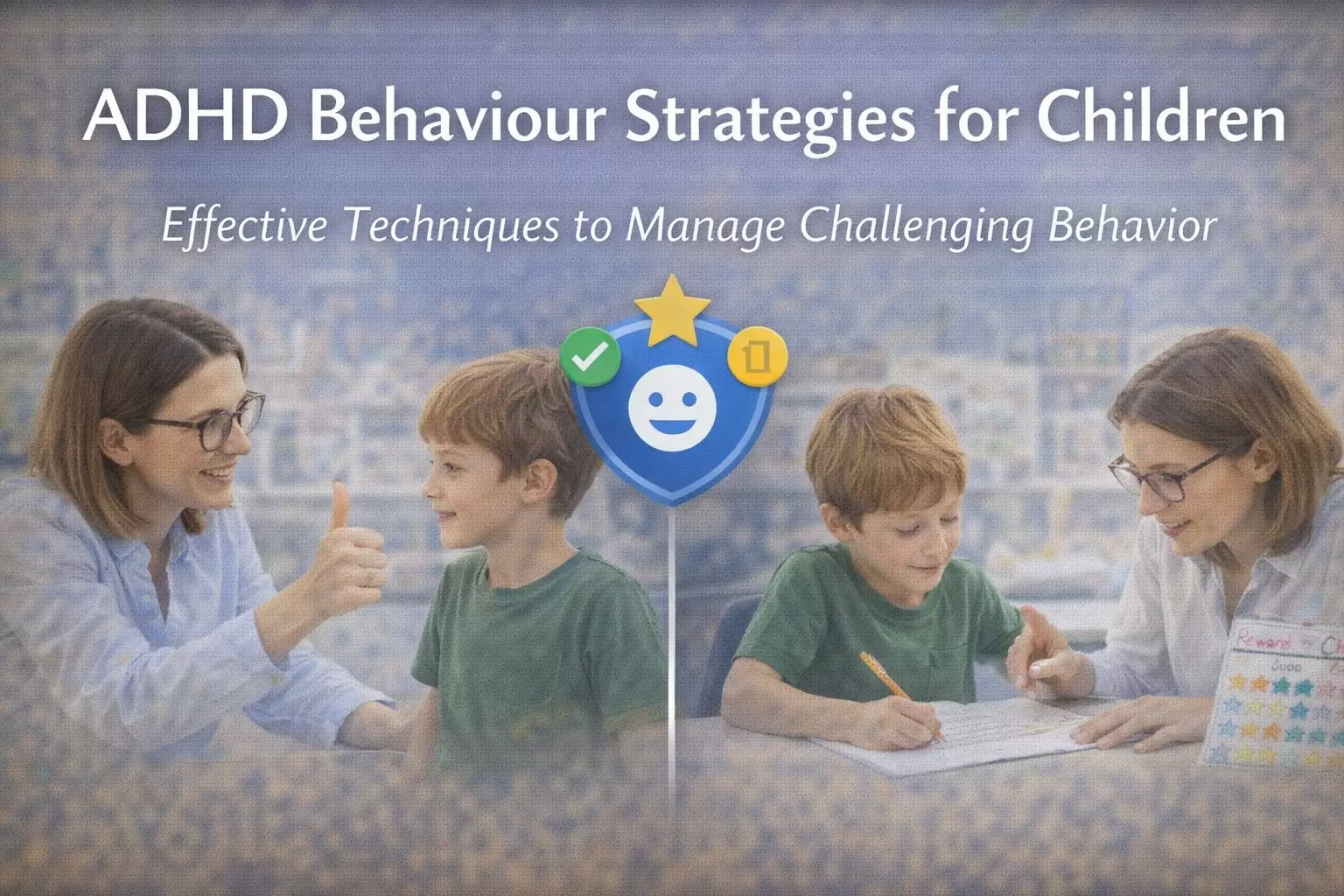
Specific encouragement can help children recognise their effort: “You used your checklist to find the next step.” Keep feedback warm and suited to what your child finds comfortable.
If you use a reward system
- Choose a small, clear and achievable goal.
- Provide the help needed to achieve it.
- Keep the link between effort and recognition easy to understand.
- Review whether the system helps your child.
If it increases frustration
Pause and rethink the approach. The target may be too difficult or the strategy may not suit your child.
Keep essential support, movement breaks, comfort and basic needs available regardless of points or stickers.
Working together
Share useful strategies between home and school
Explain what helps your child and ask what school is noticing. Agree clear approaches and review them, while allowing for different demands in each setting.
Support may include classroom adjustments, SEN support, targeted teaching or specialist advice. If difficulties remain, review the needs and provision rather than simply repeating the same strategy.
Could an EHCP be relevant?
Some children need an EHC needs assessment and provision through an EHCP in England. ADHD alone does not automatically lead to a plan. Education systems differ elsewhere in the UK.
Common questions
Finding what works for your child
Will the same strategies work for every child?
No. Adapt them to your child’s age, communication, preferences and needs. Their response helps you decide what to keep or change.
How quickly should we expect progress?
There is no fixed timescale. Look for manageable changes and review whether the strategy is helping. Seek advice if distress increases or difficulties remain significant.
Should home and school do exactly the same thing?
Share what works and agree clear communication, but adapt the approach to each setting. Consistency can mean a shared understanding rather than identical routines.
Do we need an ADHD diagnosis before trying support?
You can discuss practical changes and school support based on current needs while seeking advice about any assessment.
What if reward charts do not help?
Review whether the goal is achievable and whether the chart adds pressure. Try a different approach, including more adult support or a simpler task.
Further information: NHS ADHD guidance for children and young people. These ideas provide general guidance and should be adapted with professional advice where needed.
School of Diversity
Need help understanding your next step?
Tell us what is happening for your child and the support you are looking for. We can discuss relevant service options.