
Creating Sensory‑Friendly Spaces at Home and School: Practical, Budget‑Wise Tips
Guide offers budget-friendly tips to create sensory-friendly homes and classrooms, including calm corners, sensory diets, noise reduction, visual schedules, and inclusive strategies for autism and ADHD support.
Creating Sensory-Friendly Spaces on a Budget: Simple Tips

Affordable tips for sensory-friendly homes and classrooms include calming corners, DIY sensory tools, visual schedules, inclusive teaching, sensory breaks, and tailored support for neurodiversity to boost comfort and focus.
Creating Sensory‑Friendly Classrooms: Essential Tips for UK Educators
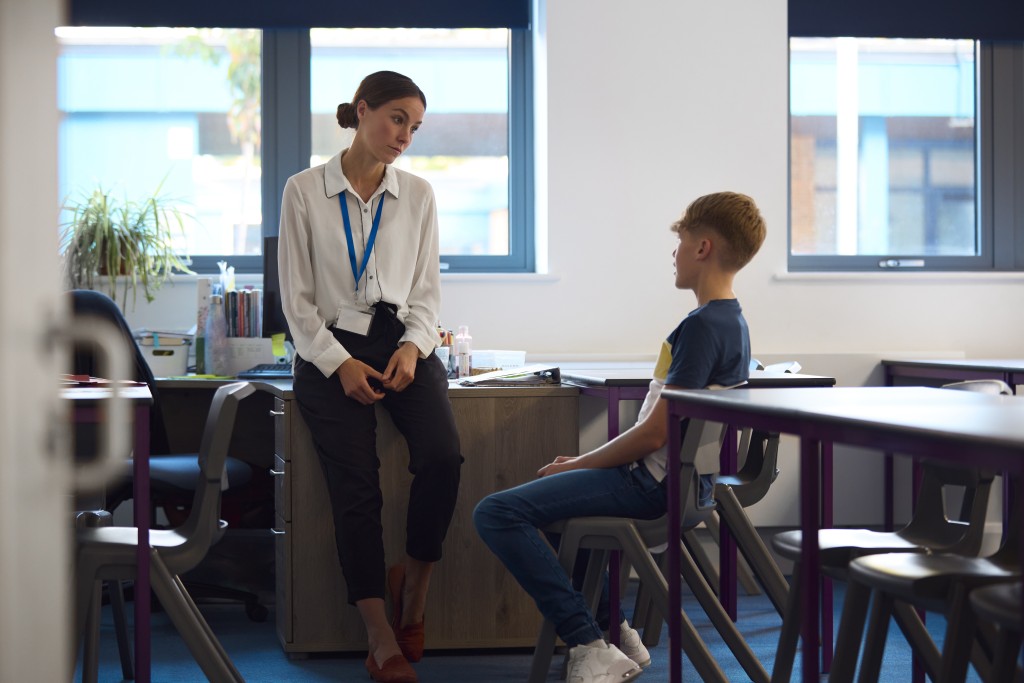
Guide for UK educators to create sensory-friendly classrooms by understanding sensory needs, reducing overload, using calm design, visual supports, emotional regulation, reasonable adjustments, and ongoing neurodiversity training.
Small changes, big comfort: practical sensory-friendly ideas for home, school and work
Designing sensory‑friendly spaces for focus and calm at home and school

Guide offers low-cost, practical steps to create sensory-friendly spaces at home and school, aiding focus and calm for neurodivergent individuals through lighting, noise control, routines, and calming corners.
How to Create Sensory‑Friendly Environments that Support Focus and Calm

Guide to sensory-friendly spaces: balance sensory input with lighting, sound, movement breaks, visual aids, and personalized adjustments to reduce overload, support self-regulation, and enhance focus and calm.
Creating sensory-friendly spaces on a budget: affordable tips for families and schools
This guide offers budget-friendly tips for creating sensory-friendly spaces at home and school, including DIY resources, noise reduction, soft lighting, calming corners, and affordable sensory tools to support neurodivergent individuals.
Sensory-friendly adjustments that improve focus and comfort at home and in the classroom
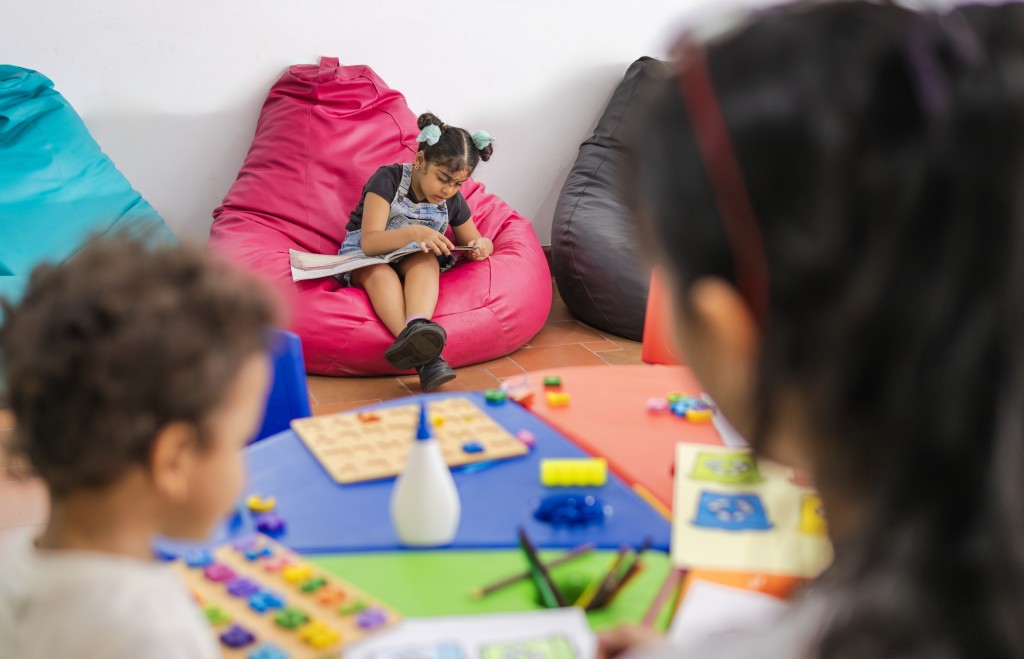
Sensory-friendly adjustments at home and school—like soft lighting, quiet zones, flexible seating, noise-cancelling headphones, visual supports, and sensory diets—enhance focus, comfort, and inclusion for neurodivergent individuals.