
Personalised Support Plans: A Complete Guide for Neurodivergent Children, Teens and Adults

This guide emphasizes strengths-based, personalised support plans for neurodivergent individuals, promoting collaboration, tailored strategies, sensory accommodations, behaviour regulation, and legal adjustments for inclusive growth.
Stronger Together: Building Resilience in Neurodiverse Families with Understanding and Gentle Routines
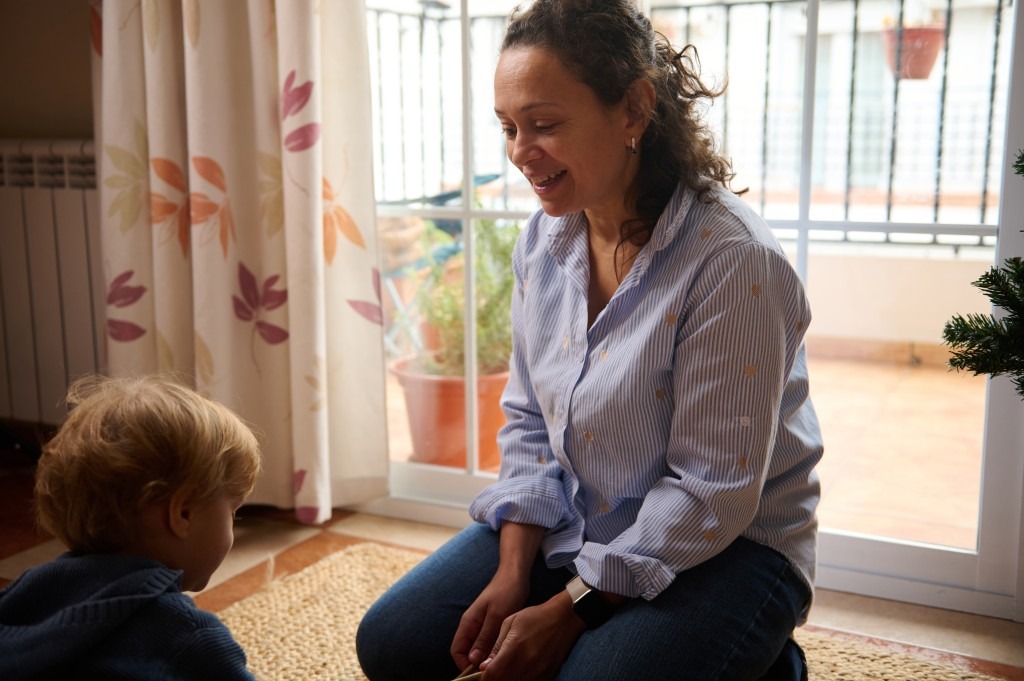
This guide from the School of Neurodiversity highlights empathy, sensory understanding, and gentle, predictable routines with visual aids to build resilience in neurodiverse families.
Finding Your Voice: Why Self‑Advocacy Matters for Neurodivergent Teens and Adults (and How to Grow It)
Self-advocacy empowers neurodivergent teens and adults to boost confidence, independence, and wellbeing by expressing needs, leveraging strengths, using communication passports, role-playing, and requesting adjustments.
Every Learner Belongs: Practical Strategies for Truly Inclusive Classrooms

This guide offers practical UK classroom strategies for neurodiverse inclusion, covering flexible teaching, sensory-friendly spaces, executive function support, compassionate communication, positive behavior, family collaboration, reasonable adjustments, and ongoing teacher development.
Sensory-friendly adjustments that improve focus and comfort at home and in the classroom
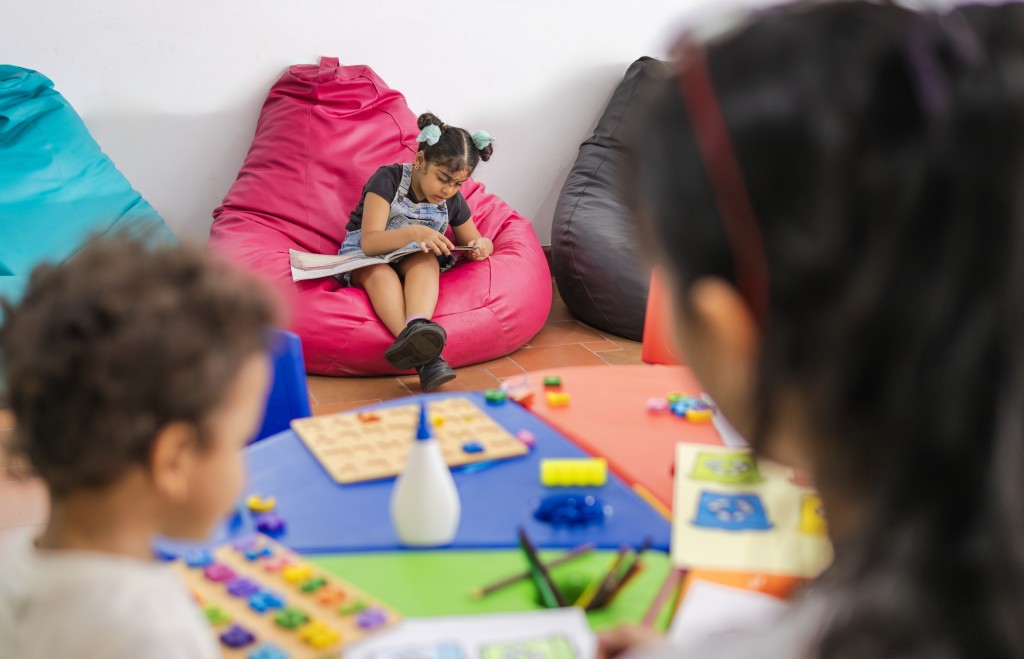
Sensory-friendly adjustments at home and school—like soft lighting, quiet zones, flexible seating, noise-cancelling headphones, visual supports, and sensory diets—enhance focus, comfort, and inclusion for neurodivergent individuals.
What Parents Wish They’d Known Before their SEN Journey
What Parents Wish They’d Known Before Starting the SEN Journey For UK parents navigating Special Educational Needs (SEN), the journey can feel overwhelming, emotional, and unexpectedly complex. If you’re at the start—or somewhere in the middle—know this: you are not alone, and you are not failing. Many parents walk this path before you, and there […]
Why Compassionate Communication Transforms Neurodiversity Assessments

Compassionate, person-centred communication in neurodiversity assessments reduces anxiety, builds trust, and yields accurate, empowering outcomes through neuro-affirming, inclusive, and strength-focused approaches.
How to create a personalised support plan that works: a practical guide for home and school

This guide offers practical steps to create personalised support plans focused on individual strengths, collaborative goal-setting, tailored communication, and simple adjustments for inclusive home and school environments.
Organisation That Fits: Practical Strategies for Neurodiverse Minds at Home and School

Practical strategies for neurodiverse minds (ADHD, autism, dyslexia, dyscalculia) include tailored organisation, sensory-friendly spaces, visual schedules, task breakdowns, home-school communication, and support resources to reduce stress and boost confidence.
A compassionate family guide to the neurodiversity assessment process

This guide explains the UK neurodiversity assessment process, offering families clear steps, preparation tips, and post-assessment support to empower and celebrate their child’s unique strengths.