Autism Masking in Children
Last reviewed: March 2026
Written by: School of Diversity SEND Support Team
Topic: Autism and Behaviour
This guide explains autism masking in children, including why it happens, how to recognise it and how it can affect a child’s wellbeing and support needs.
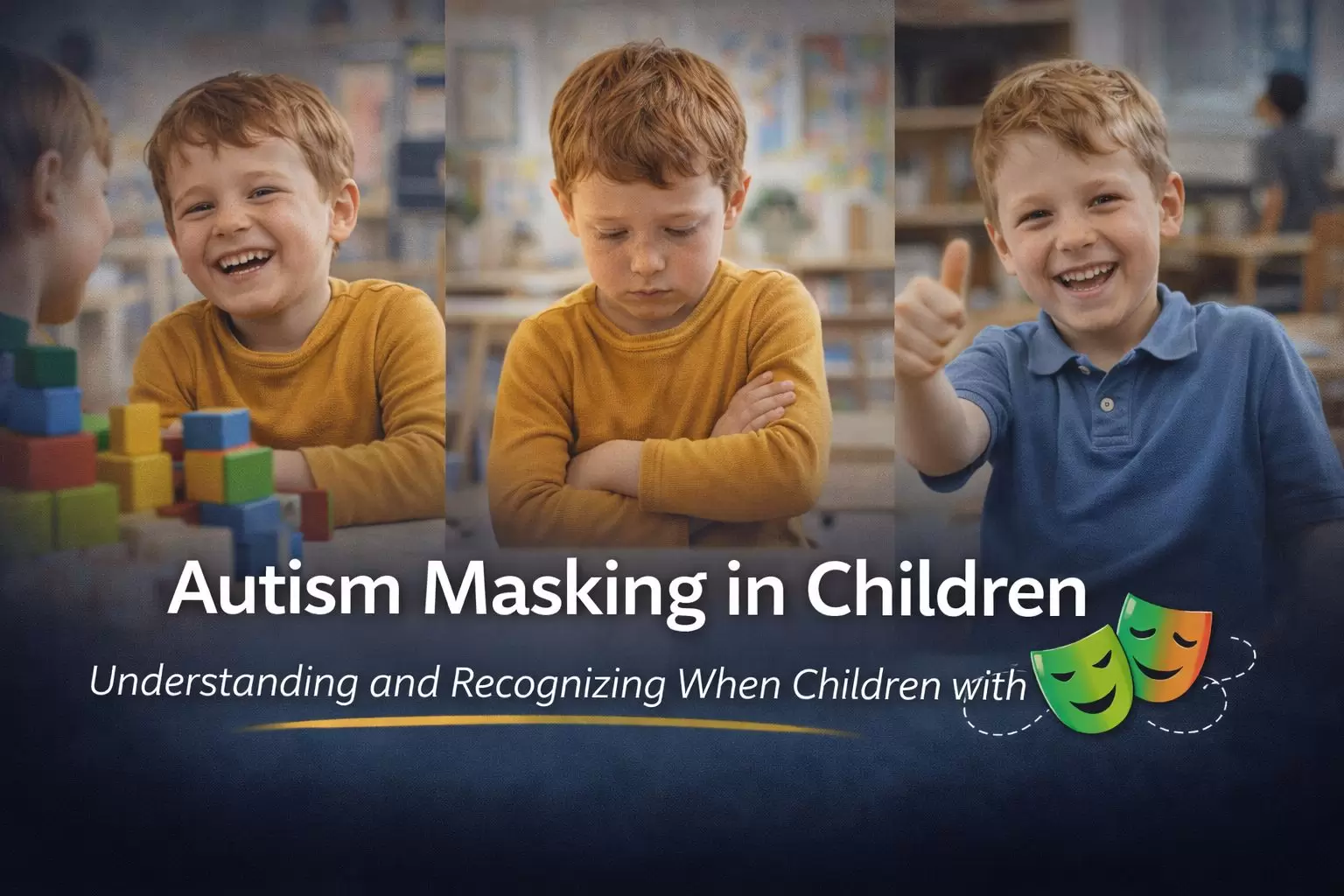
Autism masking refers to when a child hides or suppresses their natural behaviours in order to fit in with others. This may involve copying social behaviours, avoiding behaviours that draw attention or trying to appear like their peers.
Key Takeaways
- Masking is when autistic children hide or adapt behaviours to fit in.
- It can make autism less visible in school environments.
- Masking may affect emotional wellbeing and increase anxiety.
- Some children mask more in school than at home.
- Understanding masking can help parents and schools provide better support.
Some autistic children appear to cope well in social situations or school environments, but this may be because they are masking their natural behaviours. Masking can involve consciously or unconsciously copying others, suppressing behaviours or trying to meet social expectations.
Understanding masking is important because it can affect how a child is understood, supported and recognised.
What Is Autism Masking?
Direct answer:
Autism masking is when a child hides or suppresses behaviours in order to fit in with social expectations.
This may include:
- copying how other children behave
- forcing eye contact
- suppressing repetitive behaviours
- rehearsing social interactions
- hiding confusion or distress
Masking can make it harder to recognise a child’s true support needs.
Why Do Children Mask?
Direct answer:
Children may mask to fit in socially, avoid attention or reduce the risk of being misunderstood.
Reasons may include:
- wanting to make friends
- avoiding negative reactions
- trying to meet expectations
- feeling different from peers
Masking is often a response to social environments rather than a deliberate choice.
Signs of Masking in Children
Direct answer:
Masking can be difficult to recognise, but some patterns may be noticeable.
Parents may observe:
- different behaviour at home compared to school
- exhaustion after social situations
- increased anxiety
- emotional outbursts at home
- difficulty expressing feelings
Children may appear to cope in school but struggle more in other environments.
Masking in School
Direct answer:
Many children mask more in school environments where social expectations are higher.
This may involve:
- copying peers’ behaviour
- staying quiet to avoid attention
- trying to follow social rules without fully understanding them
Masking can make it harder for teachers to recognise a child’s needs.
Impact of Masking on Wellbeing
Direct answer:
Masking can affect emotional wellbeing and may lead to increased stress or anxiety.
Children who mask may:
- feel overwhelmed
- experience anxiety
- become emotionally exhausted
- struggle to relax at home
Understanding masking can help parents and schools support emotional wellbeing.
Masking and Autism Diagnosis
Direct answer:
Masking can sometimes delay or affect autism diagnosis because behaviours may be less visible.
Children who mask may:
- appear to cope well in structured environments
- not show obvious signs in school
- be identified later when demands increase
This can mean some children are diagnosed later in childhood.
Supporting Children Who Mask
Parents and schools can support children who mask by:
- creating safe and understanding environments
- encouraging children to express themselves
- reducing pressure to conform socially
- recognising signs of stress or fatigue
- supporting emotional regulation
Support should focus on understanding the child rather than expecting them to hide differences.
Talking to Schools About Masking
Parents may wish to discuss masking with schools if they notice differences between home and school behaviour.
This may involve:
- sharing observations with teachers
- discussing emotional wellbeing
- exploring support strategies
- ensuring staff understand masking
Awareness of masking can help schools provide more appropriate support.
Masking and EHCP Support
Direct answer:
Masking can affect how a child’s needs are understood when considering support such as an EHCP.
If masking hides difficulties in school, it may:
- affect evidence of need
- delay support decisions
- make challenges less visible
Understanding masking can help ensure support reflects the child’s true needs.
FAQ
Do all autistic children mask?
Not all children mask, and masking can vary depending on the environment.
Is masking harmful?
Masking can affect wellbeing if it leads to stress, anxiety or emotional exhaustion.
Why does my child behave differently at home and school?
This may be due to masking in school environments.
Can masking delay an autism diagnosis?
Yes. Masking can make signs less visible and delay identification.
Explore More Autism Guidance
If you are exploring autism support for your child, you may find these guides helpful:
- Signs Your Child May Be Autistic
- Autism Assessment for Children
- Autism Diagnosis and School Support
- Autism and Sensory Processing Needs
- EHCP for Autism
You can also explore our Autism Support for Parents hub, which explains autism signs, assessments and school support in more detail.