
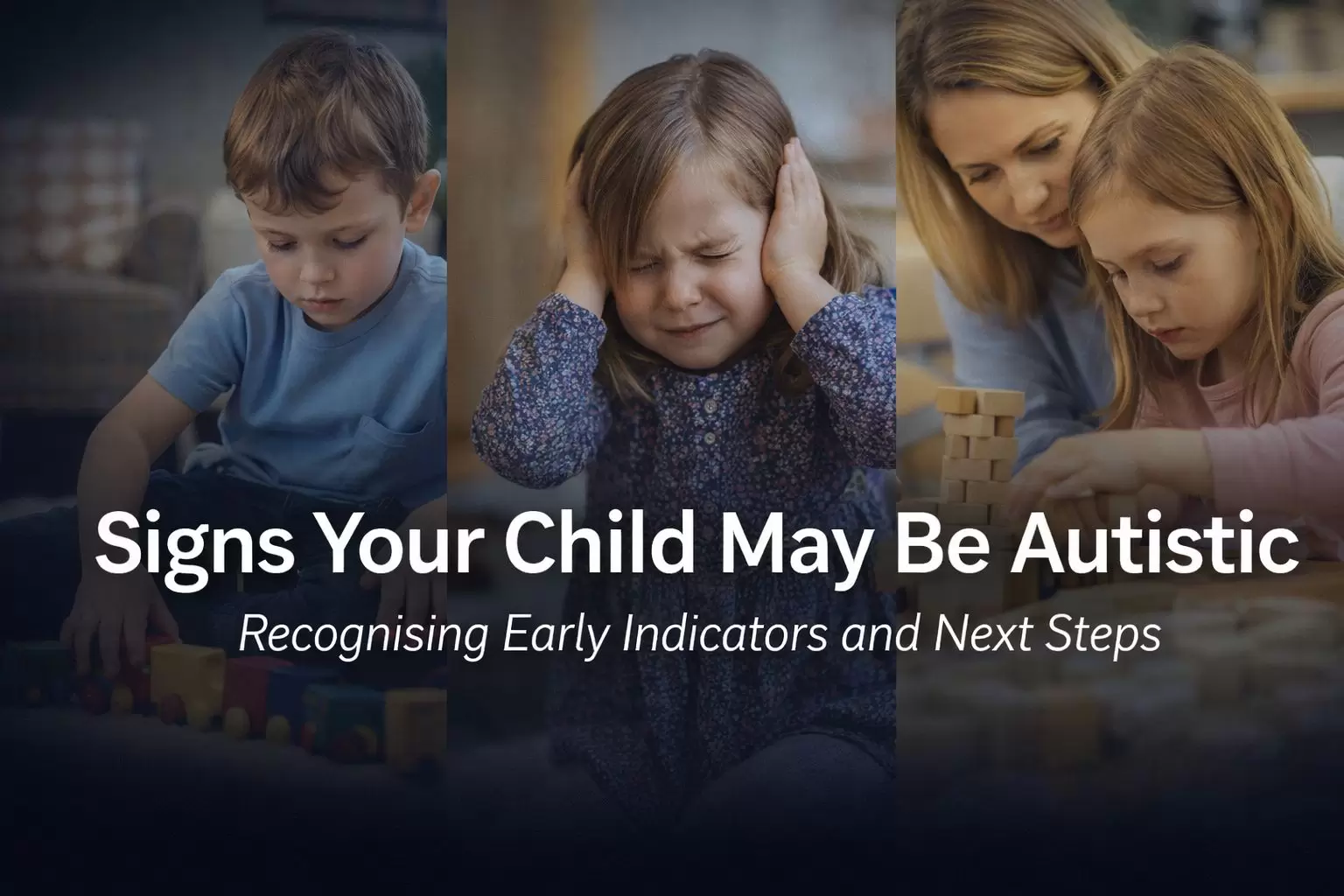
Signs Your Child May Be Autistic
Last reviewed: March 2026
Written by: School of Diversity SEND Support Team
Topic: Autism Signs and Early Identification
This guide helps parents understand common signs of autism in children, including communication differences, sensory sensitivities and behaviour patterns that may indicate a child experiences the world differently.
Some children show early signs of autism through differences in communication, social interaction, behaviour and sensory responses. These signs may appear in early childhood and can vary widely between children. Recognising these differences can help parents seek appropriate support and guidance.
Key Takeaways
Autism may affect communication, behaviour and sensory processing.
Signs often appear in early childhood but may become clearer over time.
Autistic children may communicate and interact differently from peers.
Sensory sensitivities are common in autistic children.
If parents have concerns, professional guidance can help clarify a child’s needs.
Many parents begin exploring autism when they notice differences in how their child communicates, learns or interacts with others. These differences can appear in early childhood and may affect communication, behaviour, social interaction or sensory experiences.
Autism is a spectrum, meaning every autistic child has unique strengths and support needs. Understanding common early signs can help parents recognise when a child may benefit from further support or professional assessment.
Many parents search questions such as “Is my child autistic?” or “What are the early signs of autism in children?”. This guide explains common signs parents may notice and when it may be helpful to seek professional advice.
Is My Child Autistic?
Direct answer:
Some parents begin to wonder whether their child may be autistic when they notice differences in communication, social interaction, behaviour or sensory responses. These differences do not always mean a child is autistic, but recognising them can help parents decide whether to seek professional advice or an autism assessment.
Parents may notice signs such as:
delayed speech or differences in communication
difficulty understanding social cues
strong preferences for routines
sensory sensitivities
intense focus on specific interests
If concerns persist, speaking with professionals such as a GP, health visitor or specialist clinician can help determine whether an autism assessment may be helpful.
Common Signs of Autism in Children
Parents sometimes notice combinations of the following behaviours:
differences in communication or language development
reduced eye contact or difficulty reading facial expressions
preference for playing alone rather than with peers
strong attachment to routines or predictable patterns
repetitive movements such as hand flapping or rocking
strong interests in particular topics or objects
sensitivity to sounds, lights or textures
Every child develops differently, so these signs alone do not confirm autism. However, noticing several of these differences may lead parents to seek professional guidance.
Signs of Autism in Toddlers
Direct answer:
Some signs of autism can appear in toddlers, particularly in communication, play and social interaction.
Parents may notice:
delayed speech or limited babbling
limited use of gestures such as pointing or waving
reduced response to their name
limited interest in playing with other children
strong attachment to routines
repetitive behaviours such as spinning objects
Not every toddler showing these behaviours is autistic, but noticing persistent differences may lead parents to seek professional advice.
Signs of Autism in Older Children
Direct answer:
Some children are identified as autistic later in childhood when social or learning differences become more noticeable.
Parents or teachers may notice:
difficulty understanding social rules or friendships
challenges with group work or classroom interaction
strong focus on particular interests
anxiety in busy or unpredictable environments
sensory sensitivities to noise, clothing or lighting
Some children learn to mask their differences, which can make signs less obvious in early childhood.
When Should Parents Seek an Autism Assessment?
Direct answer:
Parents may consider seeking an autism assessment if developmental differences affect communication, behaviour, learning or daily life.
Parents may seek guidance if they notice:
persistent communication differences
social interaction challenges
sensory sensitivities affecting daily activities
difficulty managing routines or change
Speaking with professionals such as a GP, health visitor or educational specialist can help determine whether an autism assessment may be appropriate.
Differences in Communication
Direct answer:
Autistic children may communicate differently from other children their age.
Some children may:
speak later than expected
use fewer gestures such as pointing
find conversations difficult
repeat words or phrases
prefer communicating through actions rather than speech
Communication differences can vary widely, and many autistic children develop strong communication skills with the right support.
Differences in Social Interaction
Direct answer:
Autistic children may interact with others differently or find social situations challenging.
Parents may notice:
difficulty understanding social cues
reduced eye contact
preference for playing alone
difficulty sharing interests or emotions
challenges forming friendships
These differences do not mean a child does not want relationships, but they may approach social interaction differently.
Behaviour and Routines
Direct answer:
Some autistic children prefer routines and predictability.
Parents may notice behaviours such as:
strong preference for routines
distress when routines change
intense focus on specific interests
repetitive movements such as rocking or hand movements
These behaviours can help children regulate their environment and feel more secure.
Sensory Differences
Direct answer:
Many autistic children experience sensory sensitivities.
This may include:
sensitivity to noise
sensitivity to bright lights
discomfort with certain textures
strong reactions to smells or tastes
Some children may also seek sensory input, such as spinning objects or touching certain materials.
Emotional Regulation
Autistic children may sometimes find it difficult to manage overwhelming situations.
Parents may notice:
distress in busy environments
difficulty expressing emotions
meltdowns when overwhelmed
Understanding sensory and communication needs can help reduce these challenges.
When Parents May Consider Seeking Advice
Parents may consider seeking guidance if they notice persistent differences in:
communication development
social interaction
behaviour patterns
sensory responses
Speaking with professionals such as teachers, health visitors or developmental specialists can help determine whether further assessment may be helpful.
FAQ
What age do autism signs appear?
Some signs may appear in early childhood, often before the age of three.
Do all autistic children show the same signs?
No. Autism is a spectrum, and signs vary between children.
Should parents seek an autism assessment if they are concerned?
If parents have concerns about development or behaviour, speaking with professionals can help determine the next steps.
Can autistic children receive support in school?
Yes. Schools may provide support through SEN support or an EHCP depending on the child’s needs.
Explore More Autism Guidance
If you are exploring autism support for your child, you may find these guides helpful:
You can also explore our Autism Support for Parents hub, which brings together guidance on autism signs, assessments and school support.