
Why Inclusive Education Benefits Everyone: Breaking Down Barriers in Classrooms
Inclusive education isn’t just a buzzword—it shapes how every child feels they belong in the classroom. When barriers in education come down, both neurodivergent and neurotypical students grow together in understanding and respect. This is where the real benefits of inclusion shine, creating spaces where differences are celebrated and everyone thrives. Let’s explore why classroom inclusion matters for your child and your community.
Benefits of Classroom Inclusion
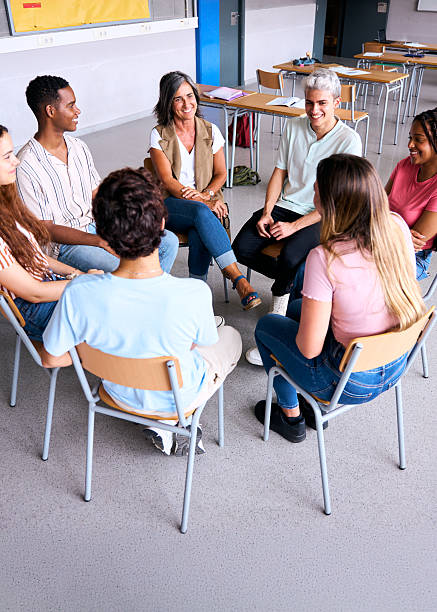
Creating a classroom where everyone feels welcome opens the door to countless opportunities for growth. Once we explore the ways inclusion enriches lives, it’s easy to see why it’s essential.
Fostering Empathy and Understanding
Empathy grows when students learn together. Seeing the world through different eyes helps children appreciate diversity. For instance, when a student with autism shares their unique perspective, classmates learn to value differences. This exposure cultivates compassion, making school a place of acceptance.
-
Most think only adults can teach empathy, but kids often learn best from each other.
-
In one study, 85% of students reported increased understanding of their peers’ challenges in an inclusive setting.
These lessons extend beyond the classroom, influencing how children interact with their communities. By normalising differences, we create a culture of acceptance that lasts a lifetime.
Encouraging Collaboration Among Students
Inclusive classrooms are buzzing with creativity and teamwork. When students work together, they learn the art of collaboration. Picture a group project where everyone contributes based on their strengths. One child excels in drawing, another in storytelling, and together they create a masterpiece.
-
Collaborative projects highlight each child’s unique talent.
-
Research shows that students in inclusive settings improve problem-solving skills by 30%.
This teamwork teaches children that everyone has something valuable to offer. The longer we support these environments, the more we foster innovative thinkers ready to tackle the world’s challenges.
Breaking Down Barriers in Education
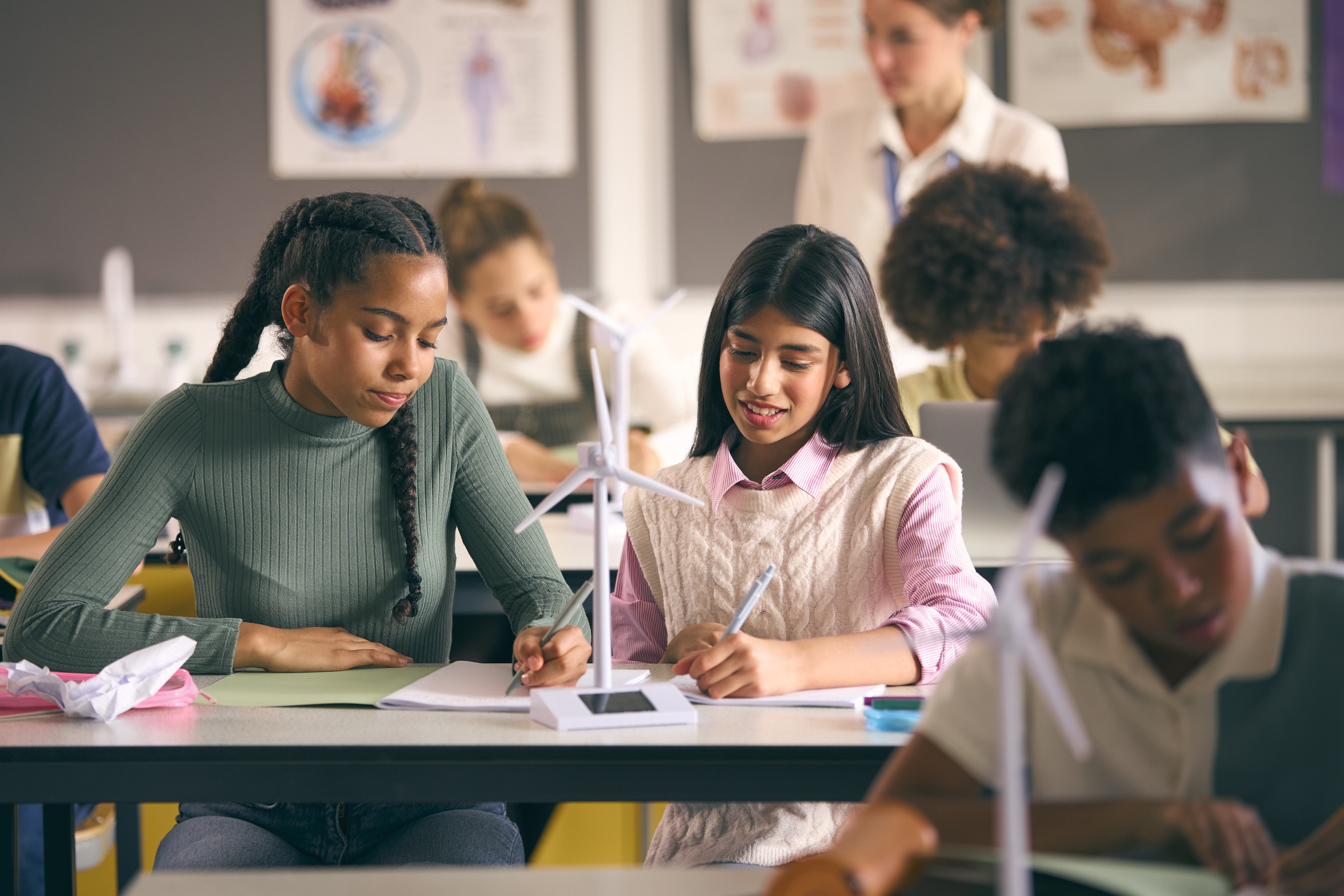
Understanding inclusion means recognising and addressing the obstacles some students face. By identifying these challenges, we prepare to overcome them.
Addressing Challenges and Solutions
Every school has hurdles to clear to become truly inclusive. Limited resources, lack of training, and outdated policies often stand in the way. But where there’s a challenge, solutions await.
-
Training teachers: Educators equipped with the right knowledge can better support diverse learners.
-
Resource allocation: Ensuring every classroom has the tools needed for all students to succeed.
By addressing these issues, schools can transform. It’s a journey, but breaking down these barriers paves the way for a better tomorrow.
Creating Inclusive Learning Environments
Designing a classroom that welcomes all requires creativity and commitment. Flexible seating arrangements, sensory-friendly tools, and varied teaching methods can make a significant difference.
Imagine a classroom with quiet corners and vibrant discussion areas. Some students thrive in silence, others in conversation. Offering choices empowers students to learn in ways that suit them best.
Studies show that when students choose their learning style, engagement rises by 40%. Creating such environments ensures everyone finds their place in the learning process.
How Neurodiversity Shapes Learning
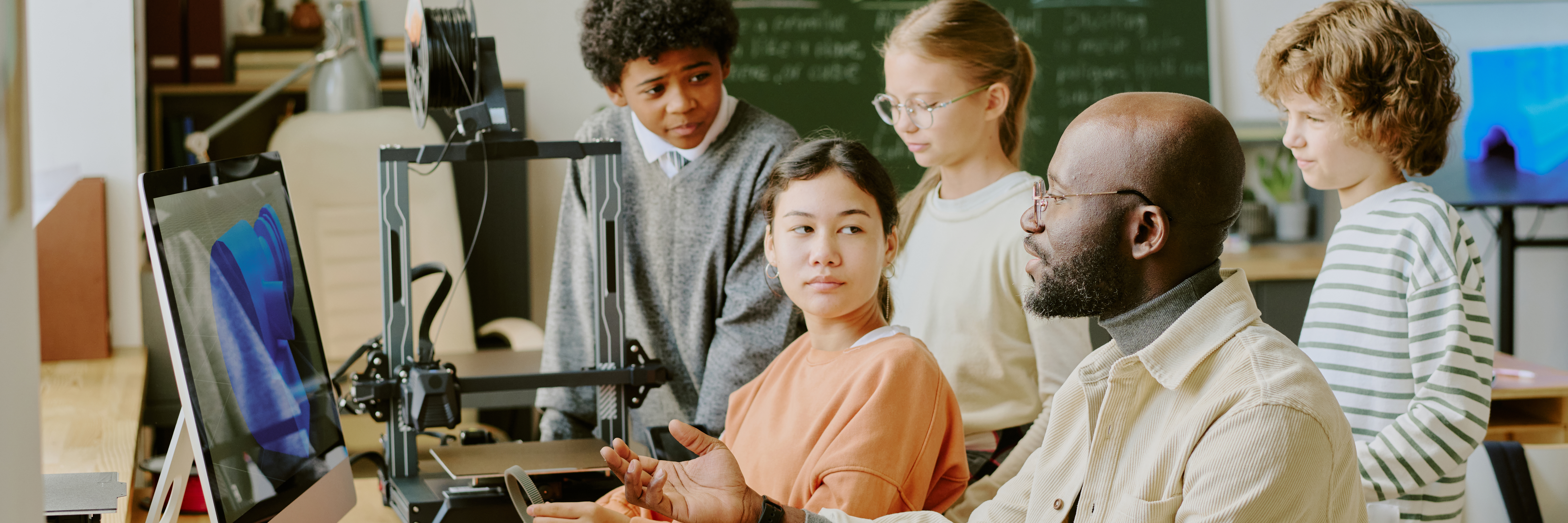
Neurodiversity celebrates the unique ways our brains work. Embracing this concept enhances learning experiences for everyone.
Celebrating Each Child’s Strengths
Every child has strengths waiting to be discovered. In a neurodiverse classroom, these strengths are celebrated. A child with ADHD may excel in dynamic tasks, while another with dyslexia might shine in creative arts.
-
Schools that focus on strengths see 20% higher academic achievement.
-
By recognising these talents, we build confidence and self-worth.
When you focus on what a child can do, rather than what they can’t, you open doors to endless possibilities.
Building a Community of Respect
Respect is at the heart of every successful classroom. When students learn to respect each other’s differences, they create a supportive network. They become allies, advocates, and friends.
-
Teachers who encourage respect report greater classroom harmony.
-
Respectful classrooms reduce bullying incidents by 50%.
By fostering respect, we build a community where everyone belongs. This sense of belonging nurtures happier, more engaged learners, ready to make a positive impact.
🌟📚🎉