Unleashing Your Inner Superpower: Understanding Your Unique Brain Wiring
Many people don’t realise their unique brain wiring holds the key to real empowerment. If you’ve felt overwhelmed by labels or misunderstood strengths, you’re not alone. By recognising the power in neurodiversity, you can build confidence and find practical ways to support yourself or your loved ones. Let’s explore how understanding your brain’s design can open doors to inclusive support and celebrate neurodivergent strengths together.
Understanding Neurodiversity
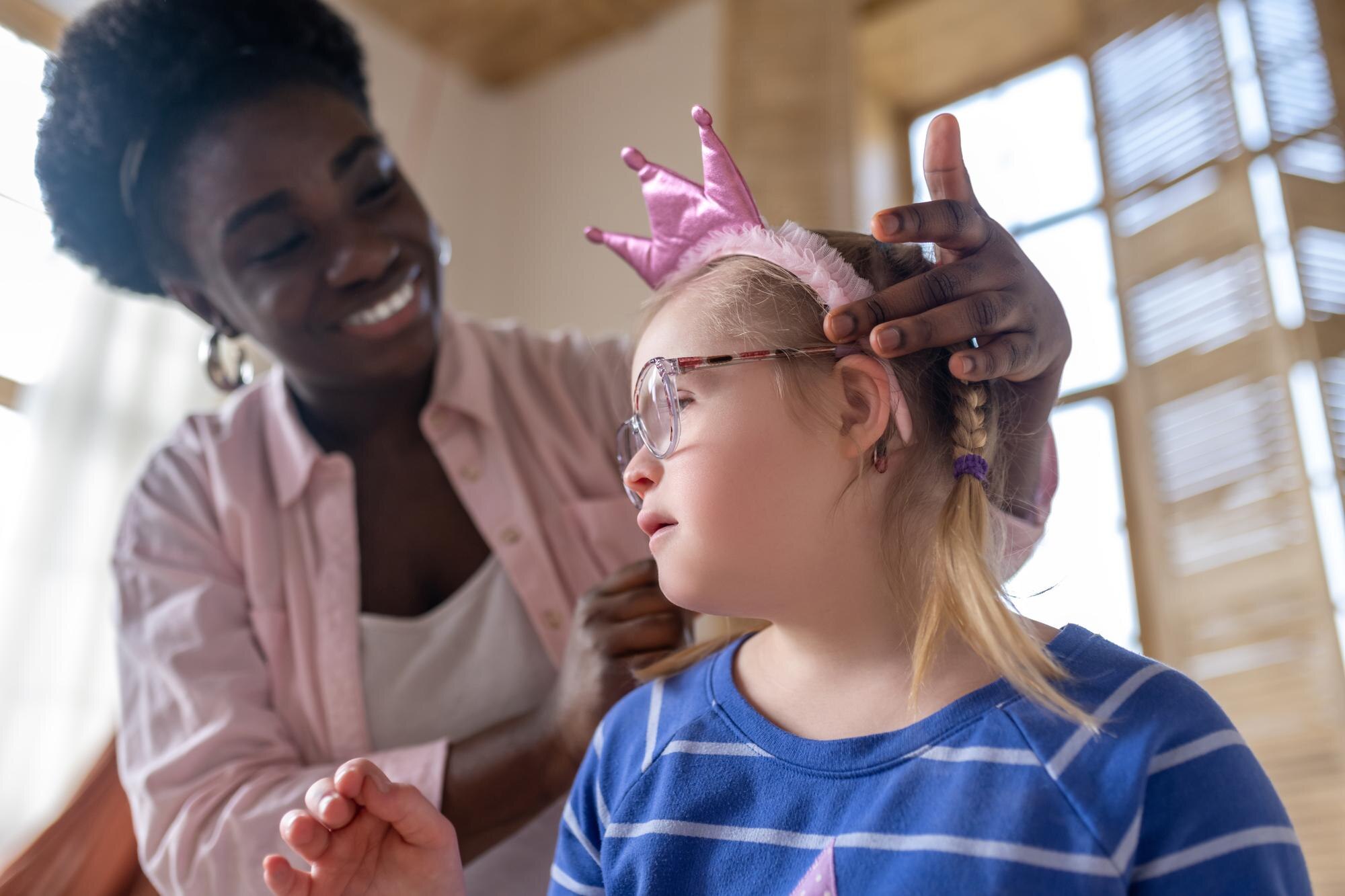
Let’s dive into the fascinating world of neurodiversity, where every brain is a unique tapestry of strengths and perspectives.
Celebrating Differences in Brains
Imagine a world where every brain is celebrated for its unique wiring. The truth is, no two brains are the same, and that’s something to be proud of. Differences like ADHD, autism, and dyslexia bring unique strengths to the table. Maybe your child struggles with reading, but they also possess a remarkable ability to think outside the box. These differences are not flaws—they’re strengths waiting to shine.
Consider how a child with autism might excel in detailed tasks like building intricate models. These abilities can be nurtured to unlock potential. By understanding and embracing these differences, you’re helping to create a more inclusive world for everyone.
Unique Brain Wiring Explained
Your brain wiring is like a fingerprint—completely unique. This wiring shapes how you think, learn, and interact with the world. Let’s break it down. If you or your child have ADHD, you might find it challenging to focus on certain tasks. But this same wiring can make you incredibly creative and spontaneous.
Think of the brain as a colourful mosaic, where each piece adds something valuable. Knowing how your brain works empowers you to harness its strengths. By understanding your unique wiring, you can find strategies that work best for you, whether it’s a visual aid or a specific routine. Recognising this individuality is the first step towards empowerment.
Harnessing Neurodivergent Strengths
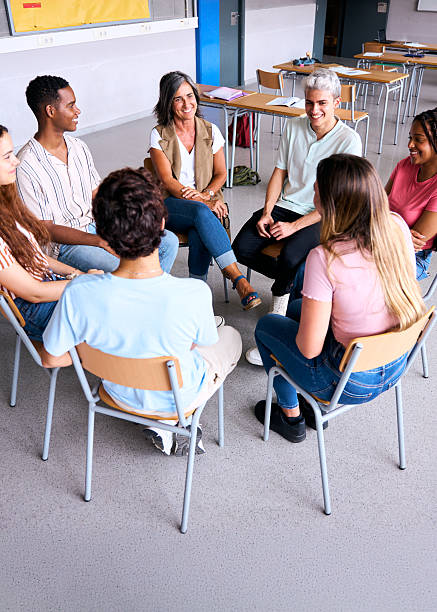
Understanding your brain’s design allows you to transform challenges into strengths, paving the way for personal empowerment.
Turning Challenges into Strengths
Have you ever thought of a challenge as a hidden strength? Many people think of ADHD as a barrier, but it can also be a superpower in disguise. ADHD often comes with high energy and creativity, making you a problem-solver with fresh perspectives. A child who struggles with dyslexia might find reading hard, but they could also be an incredible storyteller.
Next time you face a challenge, try to see it as an opportunity. Ask yourself, “What strength can I find here?” Reflecting on this can shift your mindset and reveal your hidden superpowers. Embracing these abilities can lead to newfound confidence and autonomy.
Empowerment Through Self-Advocacy
Empowerment begins with self-advocacy. When you understand your brain’s unique wiring, you can advocate for the support you need. This might mean speaking up in school or the workplace to ensure your needs are met. It’s about communicating your strengths and challenges effectively.
Here’s a key insight: Most people think asking for help shows weakness, but it’s quite the opposite. It’s a strength. By advocating for yourself, you gain control over your environment. This empowers not only you but also those around you to foster a more inclusive community. Remember, self-advocacy is a powerful tool in your journey.
Inclusive Support and Community

Creating a supportive community means ensuring everyone feels seen, heard, and supported.
Tailored Support for Everyone
Support isn’t one-size-fits-all. It’s about finding what works best for you or your loved ones. Tailored strategies can make all the difference. If your child has dyslexia, using audiobooks could transform their learning experience. For someone with autism, structured routines might bring comfort and focus.
The longer you wait to explore these options, the more challenging it becomes. But fear not, there’s a wealth of resources available to help you. From visual aids to sensory-friendly environments, these tools are designed to support diverse needs. With the right support, everyone can thrive.
Building Bridges with Resources
Resources connect us to a world of possibilities. They build bridges to understanding and inclusion. Whether it’s joining a support group or accessing online learning modules, these resources are invaluable. They provide guidance and community, making you feel less alone on this journey.
Here’s the key insight: most people think they’re on this journey alone, but they’re not. There’s a supportive community out there, ready to help. By tapping into these resources, you’ll find a network of like-minded individuals who understand and celebrate neurodiversity. Together, we can build a more inclusive world for all.
🌟
By understanding your unique brain wiring, you unlock the door to empowerment and support. Celebrate your strengths, advocate for your needs, and remember—you’re not alone. Let’s continue building a community where everyone belongs, embracing our differences with open arms.