
Understanding Neurodiversity: Embracing Differences to Foster Belonging
Neurodiversity isn’t just a buzzword—it’s a call to recognise and celebrate how different minds shape our world. When we truly embrace differences, we open the door to inclusion and help everyone feel they belong. This post will guide you through understanding neurodivergent perspectives and share support strategies that empower individuals and families alike. Let’s explore how fostering belonging changes lives for the better. For more insights, visit this resource.
Understanding Neurodiversity
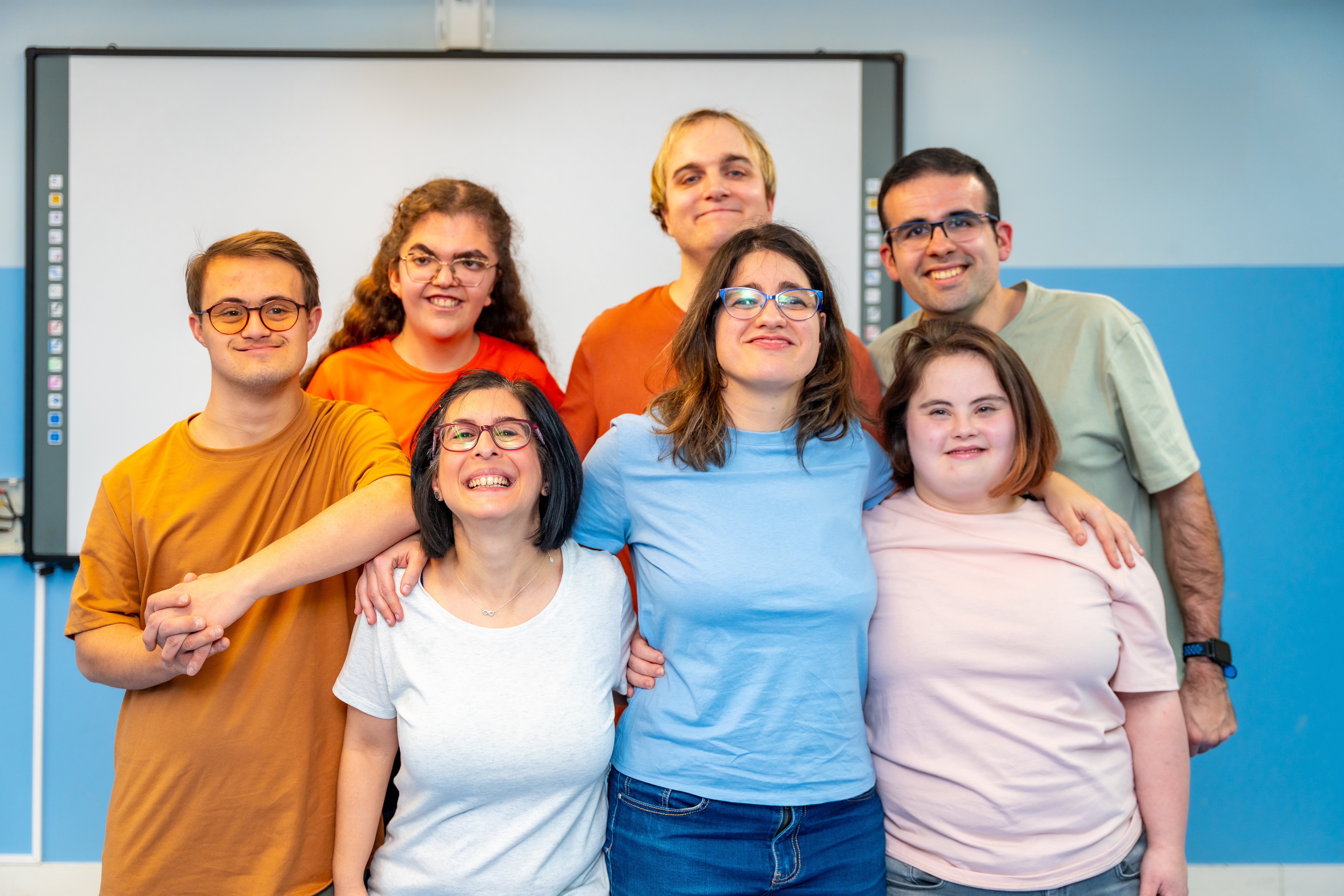
Understanding neurodiversity means seeing the world through the unique lenses of many different individuals. It’s about celebrating how diverse minds contribute to our collective experience and create a richer society.
Embracing Differences Together
When people come together to support neurodiversity, communities grow stronger. You might wonder how embracing these differences benefits everyone. Imagine a classroom where each student contributes their own special talents. This diversity of thought leads to more creative solutions and broader perspectives. Most people assume that differences create challenges, but they can actually be powerful assets. By valuing each mind, we build a supportive environment where everyone can shine.
The Power of Inclusion
Inclusion is more than just a practice; it’s a mindset. When you foster an inclusive space, you help everyone feel valued. This isn’t just about making room—it’s about actively engaging with diverse perspectives. For instance, in a workplace setting, including neurodivergent individuals can lead to groundbreaking innovations and ideas. Many assume that inclusion is costly or difficult, but the benefits far outweigh the effort. By promoting a culture of acceptance, you create opportunities for growth and collaboration.
Fostering Belonging

Creating a sense of belonging is crucial for individuals to thrive. When people feel like they belong, they are more likely to contribute positively and confidently to their community.
Creating Inclusive Environments
Crafting inclusive spaces starts with small, intentional changes. You might wonder how this is done. Begin by listening to the needs of neurodivergent individuals. For example, implementing sensory-friendly areas in schools can help students concentrate better. Often, people think creating these environments requires significant resources, but small tweaks often make big impacts. By focusing on practical adjustments, you encourage everyone to participate fully.
Celebrating Every Mind
Celebrating neurodiversity means acknowledging the strengths each person brings. This can be as simple as recognising unique problem-solving skills or creative talents. A student who struggles with traditional learning methods might excel in hands-on projects. Highlighting these strengths can motivate others to appreciate diversity. Many believe that focusing on differences divides us, but it actually unites us by showcasing the various ways people can succeed.
Support Strategies for Neurodivergent Individuals

Supporting neurodivergent individuals involves providing tools and techniques that cater to their unique needs. This allows them to navigate daily challenges more effectively.
Empowering Neurodivergent Families
Families play a crucial role in supporting neurodivergent members. Here’s the key insight: empowerment starts at home. Encourage open dialogue and understanding. For instance, setting aside time each week for family discussions can improve communication. Often, families feel isolated when facing these challenges, but reaching out to support groups can provide reassurance and shared experiences. By fostering a nurturing home environment, you build a foundation for confidence and resilience.
Tools for Educators and Parents
Educators and parents are pivotal in guiding neurodivergent individuals. Here are a few strategies that can help:
-
Visual Supports: Use images and charts to simplify instructions.
-
Behaviour Plans: Establish clear, consistent routines that provide structure.
-
Sensory Tips: Create calming spaces that reduce overstimulation.
Many assume these strategies need to be complex, but simple tools often have the greatest impact. When educators and parents collaborate, they create a network of support that enhances learning and development.
For more resources on how to embrace neurodiversity and promote inclusion, visit this helpful website.
Ready to dive deeper into creating inclusive environments and supporting neurodivergent individuals? Learn more here about how you can make a difference.
By understanding and celebrating neurodiversity, you contribute to a world where everyone belongs, and every mind is valued.