
Stronger Together: Building Resilience in Neurodiverse Families with Understanding and Routine
Neurodiverse families often face daily challenges that can feel overwhelming without clear support. Building family resilience doesn’t happen by chance—it grows from understanding each unique mind and creating predictable routines that bring calm and confidence. In this guide, you’ll find practical, strengths-based strategies tailored to help your family or classroom thrive, backed by expert neurodiversity support UK offers. Let’s explore how simple changes can make a lasting difference.
Understanding Neurodiversity
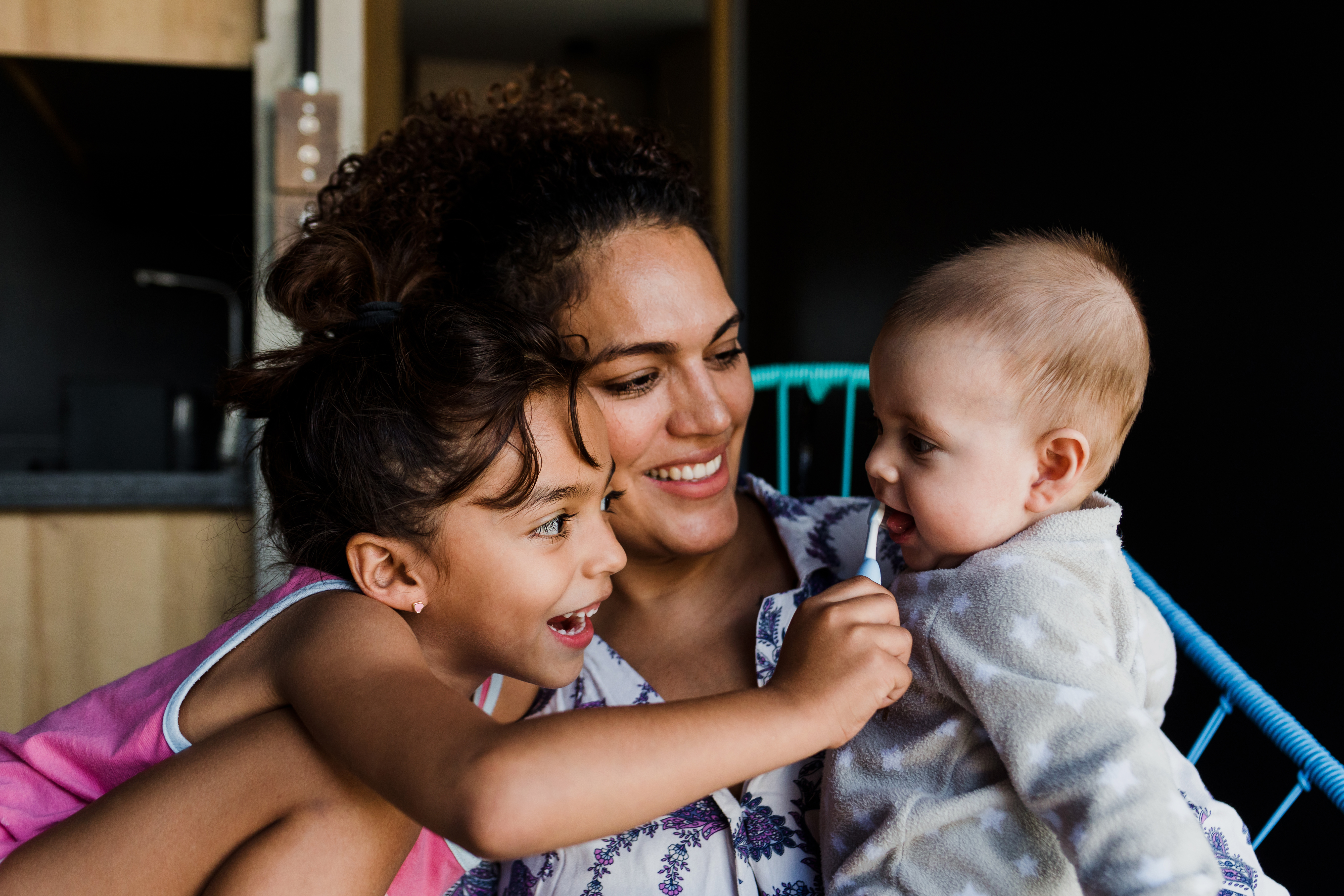
Every family is unique, and understanding neurodiversity is the key that unlocks resilience. With a clearer perspective, you can celebrate strengths and nurture growth.
Celebrating Differences
Imagine a world where every difference is embraced, not just tolerated. Neurodiversity includes conditions like ADHD, autism, and dyslexia. Each offers unique strengths. For instance, individuals with ADHD often think outside the box, while those with autism may excel in detail-oriented tasks. Celebrating these differences means recognising the value each person brings to the table.
Building Family Resilience
Family resilience is about thriving together. It grows when everyone feels understood and supported. You can foster this by creating an environment where each member’s needs are met. Explore this guide to building resilience in neurodiverse children for more insights.
Inclusive Parenting in the UK
Inclusive parenting involves understanding and accepting each child as they are. It encourages connections based on empathy and respect. In the UK, many resources, like the School of Neurodiversity, offer guidance to help you navigate this journey with confidence.
The Power of Routine

Routine is the unsung hero in neurodiverse lives. Predictability can bring calm and reduce stress, making daily life more manageable for everyone involved.
Predictable Routines for All
A predictable routine provides structure and security. It simplifies daily tasks and reduces anxiety. For many families, it’s about finding a rhythm that works for everyone. A routine planner can help you stay organised and focused on what matters.
ADHD and Autism Routines
ADHD and autism benefit immensely from tailored routines. For ADHD, short, engaging activities with clear transitions can maintain interest and focus. Autism routines often thrive on visual schedules that depict each step of the day, reducing uncertainty and helping to set expectations. Explore ADHD routines for more ideas.
Morning and Bedtime Routines
Smooth transitions from sleep to wakefulness and back again can set a positive tone. Mornings begin with calm, predictable tasks, while bedtime routines can include relaxing activities like reading or listening to calming music. These routines anchor the day, bringing a sense of security.
Practical Strategies and Support

Putting strategies into action makes a real difference. With the right tools, you can support emotional and sensory needs effectively.
Visual Schedules and Sensory Tips
Visual schedules offer clarity, showing what happens next and helping manage expectations. They can be tailored with pictures or icons for non-readers. Sensory tips, like quiet spaces or sensory toys, cater to different needs, offering comfort and reducing overstimulation.
Emotional and Co-Regulation Techniques
Understanding emotions is crucial. Co-regulation involves guiding your child through their feelings, helping them learn to manage on their own. Techniques like deep breathing or counting can be useful. Emotions are like waves; with the right support, everyone can learn to ride them.
Tailored Support Modules and Assessments
Tailored support modules address specific needs, like organisation or communication, providing focused strategies. Assessments, such as those offered by the School of Neurodiversity, provide a clearer understanding of strengths and areas for growth. These tools empower families to thrive.
By embracing understanding and routine, you build a foundation of resilience. Each step you take towards inclusivity brings your family closer together, creating an environment where everyone can flourish.