
Stronger Together: Building Resilience in Neurodiverse Families with Understanding and Gentle Routines
Many neurodiverse families face daily challenges that wear down their resilience. Without understanding and gentle, predictable routines, stress can quickly build for everyone at home and school. This post shows how empathy, co-regulation, and simple visual timetables can create calm, confident days for your family. You’ll find practical steps and expert guidance from the School of Neurodiversity to support your journey towards stronger family resilience. [https://schoolofdiversity.com/neurodiversity-routines/building-resilience-in-neurodiverse-families-the-power-of-routine/]
Building Family Resilience
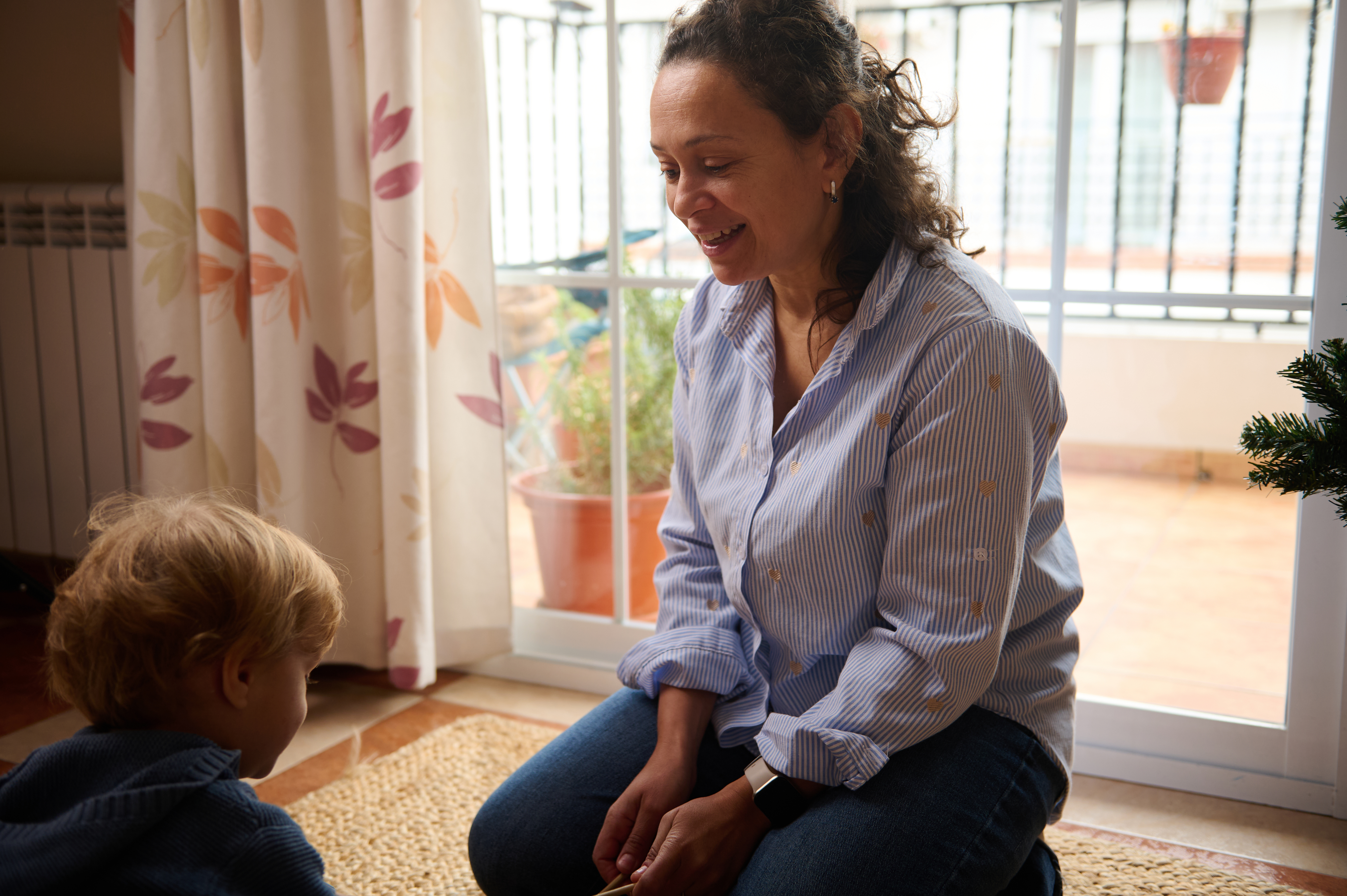
When your family understands how to nurture resilience, you can face challenges more confidently. Let’s explore how empathy and co-regulation can create a supportive environment at home.
Empathy and Co-Regulation
Imagine a world where everyone feels understood and valued. Empathy is stepping into another’s shoes, feeling what they feel. It’s about recognising the struggles and triumphs that each family member experiences daily. Co-regulation involves managing emotions together, offering comfort during overwhelming moments. By practicing empathy, you create a space where everyone can express themselves freely, knowing they’ll be heard and supported. It’s not just about listening—it’s about truly hearing.
Think about a time when a hug or a kind word made all the difference. This is co-regulation in action. It’s the gentle hand on your back during a tough day, reminding you that you’re not alone. These small acts of kindness can significantly impact your family’s resilience. Learn more about fostering resilience in neurodiverse children.
Understanding Sensory Needs
Every person experiences the world in their own way. For some, everyday sights, sounds, and sensations can be overwhelming. Recognising and respecting sensory needs can transform your home into a sanctuary. Start by observing what calms or agitates your child. Is it a favourite toy, a quiet room, or perhaps the smell of fresh cookies?
Consider creating a sensory toolkit. This might include noise-cancelling headphones, a soft blanket, or a fidget toy. It’s about providing options that help manage sensory overload. When everyone’s needs are acknowledged, stress levels decrease, and peace can flourish. Explore more about understanding neurodiverse families.
Creating Gentle Routines

Establishing gentle routines can be a game-changer. With predictable daily structures, your family can navigate the day with ease and confidence.
Predictable Daily Structures
Routines provide a comforting rhythm to the day. They give you a roadmap, reducing anxiety about what comes next. Imagine starting each day with a calm morning routine that everyone in the family knows by heart. This might include a breakfast ritual, time for dressing, and a moment to plan the day ahead.
Simple activities repeated daily offer stability. It might be as easy as reading a story before bed or sharing highlights of the day at dinner. Routines don’t have to be rigid—they can be flexible and evolve as your family grows. The key is consistency, which builds trust and security within the family.
Visual Timetables and Tools
Visual timetables are powerful tools in your routine-building arsenal. They offer a clear, visual representation of the day’s events, making transitions smoother for everyone. These timetables can be as simple as a chart on the fridge or a colourful app that your child can explore.
By using visual aids, tasks become more manageable and less overwhelming. For example, a morning chart might show pictures of brushing teeth, getting dressed, and packing a school bag. This visual guide helps children anticipate what’s next, easing transitions and building confidence. Discover the impact of visual tools on neurodiverse children.
Supportive Strategies and Resources

Now that you have a foundation, let’s delve into the strategies and resources available to support your journey.
School of Neurodiversity Services
At the School of Neurodiversity, you’ll find a wealth of resources designed to empower your family. From tailored assessments to expert guidance, they offer solutions that resonate with your needs. The focus is always on inclusivity and understanding, ensuring every family feels valued.
Their services range from one-on-one consultations to practical tools for home and school. Whether you’re seeking advice on sensory needs or need help establishing routines, the School of Neurodiversity is here to support you. Explore their comprehensive services.
Inclusive Parenting and SENCO Resources
Inclusive parenting is about embracing differences and fostering an environment where everyone belongs. Resources for parents and Special Educational Needs Coordinators (SENCOs) are crucial in this journey. They provide practical insights and strategies that make your home and classroom more inclusive and supportive.
From workshops and webinars to downloadable toolkits, these resources offer actionable guidance. They empower you to create spaces where every child can thrive, no matter how they think or learn. By investing in these tools, you’re not just supporting your child—you’re building a community that celebrates diversity. Learn more about inclusive parenting strategies.
Conclusion
By embracing empathy, understanding sensory needs, and implementing gentle routines, your family can build resilience and thrive. The journey may have its challenges, but with the right strategies and support, you can create a nurturing environment where everyone feels valued and understood. Let’s take the next step together, fostering a world where every family can flourish.