
Simple Communication Tools to Connect and Thrive
Most communication tools feel complicated when you just want to connect with your child or student. Families and schools often struggle to find simple ways that truly foster understanding and respect for neurodiversity. This post shares easy-to-use strategies designed to build bridges, so everyone belongs and thrives together. Explore how practical support modules can empower your family and school community to communicate with confidence. [https://www.remind.com/]
Enhancing Family Communication

Connecting with your child or student doesn’t have to be difficult. Let’s explore tools that can make communication easier and more meaningful.
Simple Tools for Connection
Finding the right tools can make a big difference. Apps like ParentSquare offer ways to send messages and updates, keeping everyone in the loop. This tool ensures you stay informed and engaged with daily activities. Another great option is using simple visual aids at home. Whether it’s a picture schedule or a mood chart, these can help your child express themselves better and understand daily routines.
When you use these tools, you’re not just simplifying communication; you’re building trust and understanding. As most people think tech is too complex, these examples show it can be straightforward and empowering. The more you incorporate these tools, the more you support your child in navigating the world confidently.
Building Bridges at Home
Building bridges at home starts with small steps. Begin by setting aside time each day to talk with your child. This dedicated time shows them they are valued and heard. Use open-ended questions to encourage them to share their thoughts and feelings.
Consider also sharing stories about your day. This models how to communicate and helps them see communication as a two-way street. Most people think communication is just about talking, but listening is just as crucial. When you listen, you learn more about how they see the world. Over time, these small daily interactions can significantly impact your relationship.
School-Based Communication Strategies
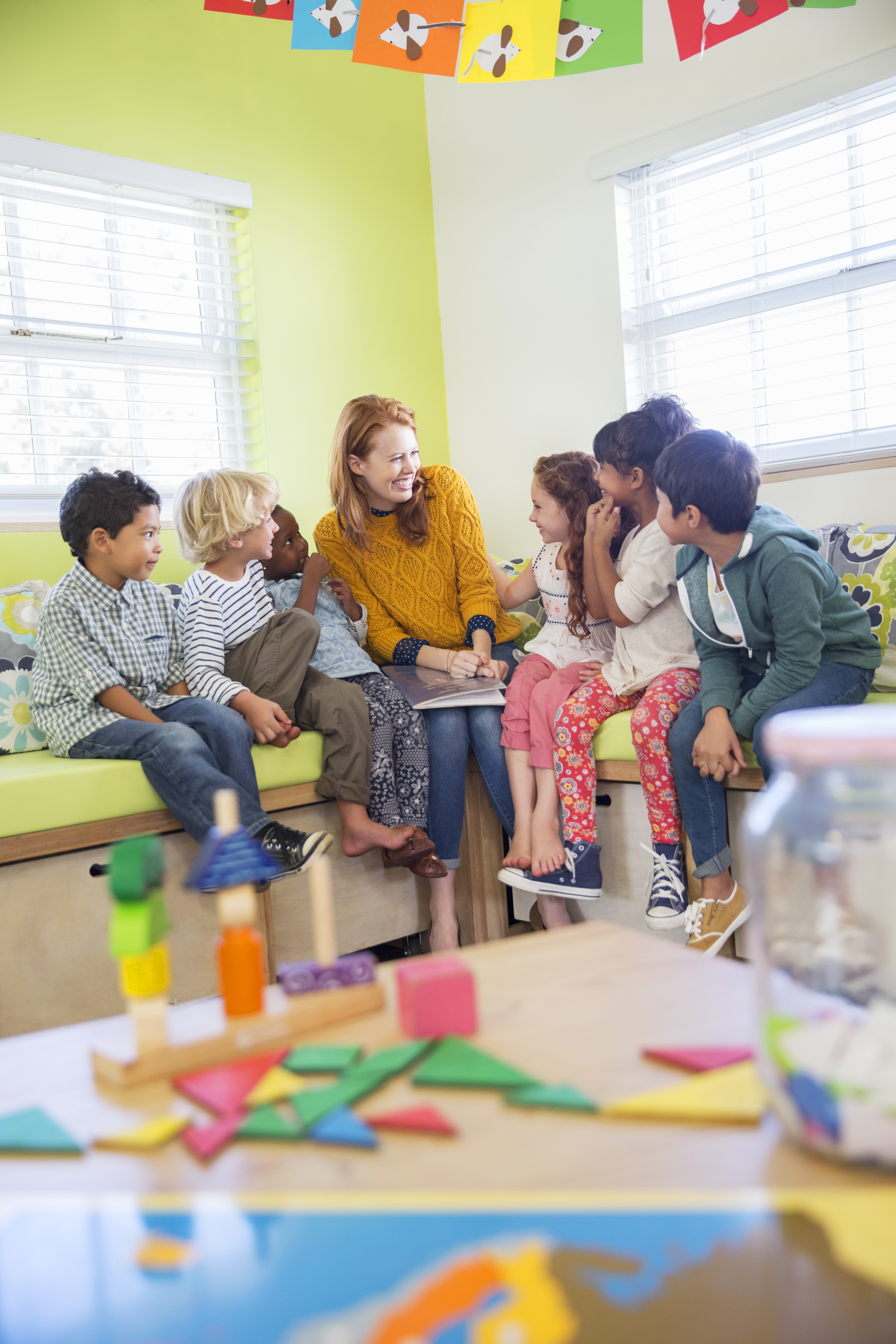
Now, let’s shift our focus to schools. Educators play a vital role in fostering an inclusive environment where every student can thrive.
Embracing Neurodiversity in Classrooms
Creating an inclusive classroom means recognising and celebrating differences. Start by incorporating diverse learning aids. This can include sensory tools, fidget toys, or flexible seating arrangements. These simple additions can help neurodivergent students feel more comfortable and engaged.
Educators should also strive to understand each student’s unique needs. Building strong relationships with students can help tailor teaching strategies that work best for them. As you embrace these practices, you not only support the students but also create a more accepting and understanding classroom environment.
Effective Tools for Educators
Educators have various tools at their disposal to communicate effectively. Websites like Common Sense Education offer a list of the best messaging apps and websites. These tools can help you stay connected with both students and parents, ensuring everyone is informed and involved.
Another option is using platforms like Finalsite to streamline communication with parents and staff. With these resources, you can create a seamless flow of information, making sure no one is left out. Most people think communication is only about speaking or writing, but it’s also about choosing the right tools to convey your message effectively.
Empowering Neurodivergent Individuals

Empowerment starts with understanding. Let’s explore support modules that offer guidance and foster a sense of belonging.
Support Modules for Understanding
Support modules can play a crucial role in helping individuals understand themselves better. These modules often include lessons on self-advocacy, helping neurodivergent individuals voice their needs and preferences confidently. They also cover emotional regulation strategies, which can be invaluable for managing daily stressors.
By engaging with these modules, individuals can learn how to navigate challenges more effectively. This empowerment leads to greater independence and self-esteem. It shifts the perspective from merely coping to thriving in one’s uniqueness.
Fostering a Community of Inclusion 🌟
Creating an inclusive community involves everyone. Encourage open conversations about neurodiversity at home and in schools. This can involve hosting workshops or discussion groups where people can share their experiences and learn from one another.
By fostering these conversations, you create a supportive environment where everyone feels valued and understood. Remember, inclusion is not just about making room for everyone; it’s about celebrating the differences that make us unique. The longer you wait to embrace these practices, the more opportunities you miss to build a truly inclusive community.