
Sensory-friendly spaces at home and school: benefits and simple steps
Sensory overload can make everyday spaces feel overwhelming for neurodivergent people. Creating a sensory-friendly environment at home or school helps reduce this overwhelm, making it easier to focus and feel calm. In this post, you’ll find simple, practical steps that support sensory regulation and build wellbeing for everyone who needs it. For more information, visit this link.
Benefits of Sensory-Friendly Environments

Creating spaces that cater to sensory needs can transform lives. Let’s explore the specific benefits of these environments.
Reducing Sensory Overload
Imagine walking into a room that feels just right. Sensory-friendly environments are designed to minimise overwhelming stimuli. They help reduce noise, bright lights, and chaotic scenes that can lead to sensory overload. By doing so, these spaces provide a calmer atmosphere where you or your child can feel more at ease. When excess stimuli are controlled, it’s easier to breathe deeply and feel grounded. This isn’t just about comfort; it’s about creating an environment where everyone can thrive. Learn more about reducing sensory overload.
Improving Focus and Attention
A quiet mind can focus better. By reducing unnecessary distractions, sensory-friendly spaces enhance concentration and learning. Whether at home or in school, these environments support sensory regulation, allowing individuals to direct their attention to what matters most. A calm setting means you’re less likely to be interrupted by sudden noises or visual clutter. This structured calm brings out the best in students and adults alike, leading to more productive and meaningful engagement.
Boosting Wellbeing and Comfort
Comfort isn’t just luxury—it’s crucial for wellbeing. In a sensory-friendly environment, comfort is prioritised through thoughtful design. Softer lighting, soothing colours, and quiet corners make a significant impact. These elements not only reduce stress but also promote a sense of safety and belonging. Feeling comfortable in a space means having the freedom to be yourself, which is vital for emotional health and happiness. For more insights, explore the impact of sensory rooms.
Creating Sensory-Friendly Spaces at Home
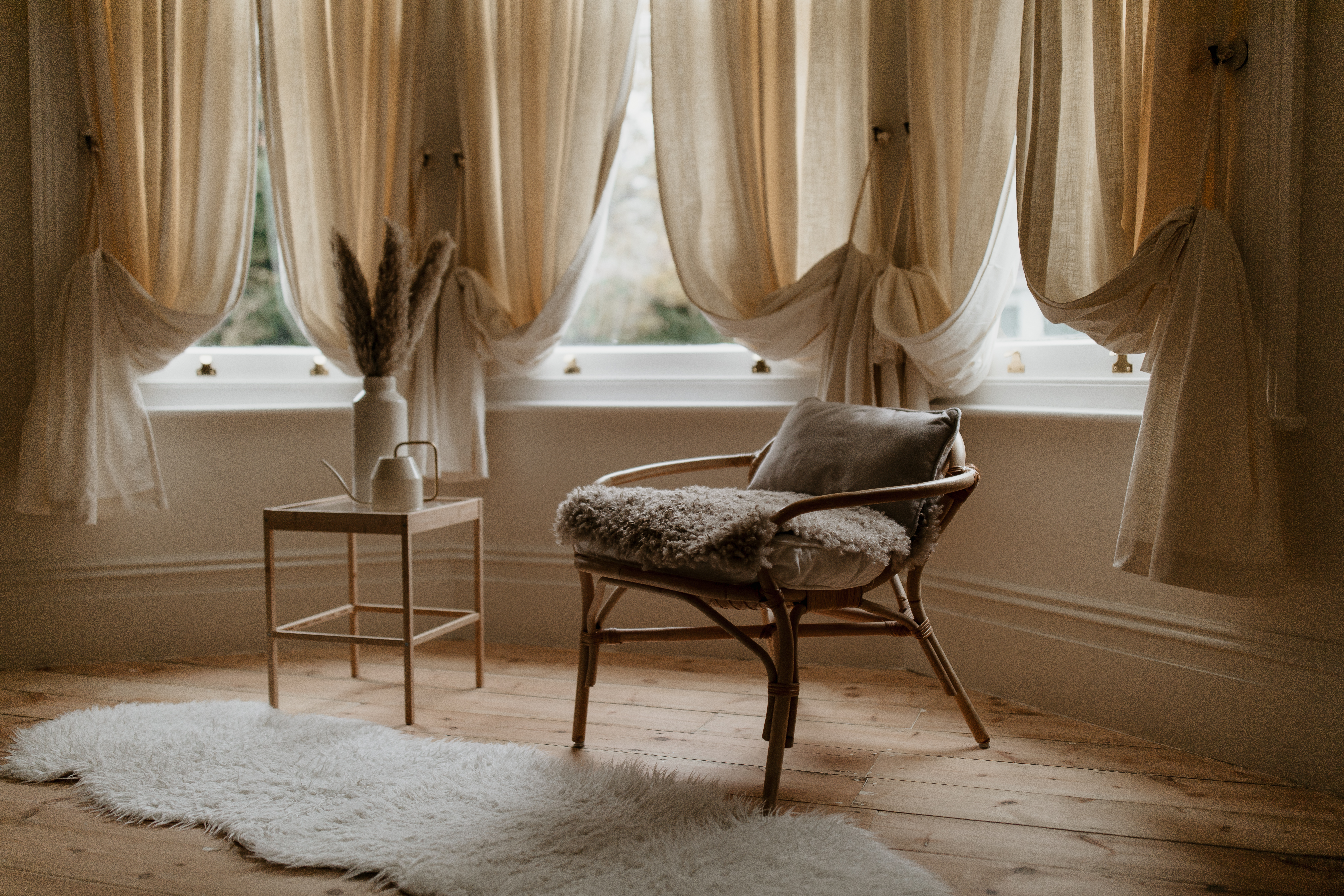
Turning your home into a supportive environment doesn’t have to be complicated. Here’s how to start.
Home Sensory Toolkit Essentials
Building a sensory toolkit at home can be a game-changer. Think about the senses—what helps soothe them? Items like noise-cancelling headphones, soft blankets, or stress balls can be invaluable. Start with a few basics tailored to your needs or your child’s preferences. This toolkit empowers you to regulate sensory input effectively. Having these items readily available means you can quickly address sensory needs as they arise, creating peace and predictability in daily life.
Quiet Corner Ideas for Relaxation
Everyone benefits from a space to unwind. Creating a quiet corner in your home provides a retreat when things get overwhelming. Consider adding a comfortable chair, some cushions, and calming colours. This space is personal; it’s where you or your child can go to relax, read, or just be. Encourage using this corner regularly to foster a routine of relaxation. Over time, this simple setup becomes a powerful tool for managing stress and enhancing wellbeing.
Sensory Diet Activities for Balance
Incorporating sensory diet activities into daily routines supports balance and regulation. These activities might include deep pressure exercises, swinging, or using a weighted blanket. Each activity is designed to provide specific sensory input, helping to balance sensory needs effectively. Try integrating these activities into playtime or as part of a winding down routine. They offer a proactive way to manage sensory needs, promoting overall stability and comfort. Discover more sensory diet ideas.
Simple Steps for Sensory-Friendly Classrooms

Classrooms can also benefit immensely from sensory-friendly strategies. Let’s explore how to make this happen.
Calm Classroom Strategies
Creating a calm classroom can dramatically improve the learning experience for everyone. Start with reducing noise levels—consider using soft furnishings and maintaining a calm colour palette. Encouraging structured routines also adds predictability, reducing anxiety for students. Teachers can introduce quiet time during the day, allowing students to reset and refocus. These strategies create an inclusive environment where learning is accessible and enjoyable for all.
Visual Supports UK and Fidget Tools Guidance
Visual supports and fidget tools are essential in a sensory-friendly classroom. They help students understand expectations and manage sensory input. Visual schedules guide students through their day, offering clarity and reducing uncertainty. Fidget tools, when used correctly, aid focus by providing tactile input. It’s important to introduce these tools with guidance, ensuring they enhance rather than distract. This approach empowers students to take control of their sensory needs effectively.
Inclusive Classroom Strategies for Teachers
Teachers play a pivotal role in creating inclusive classrooms. By adopting strategies that recognise diverse sensory needs, they foster a supportive learning environment. This might involve seating arrangements that reduce distractions, offering varied activities to cater to different sensory preferences, or being flexible with movement breaks. Through these actions, teachers show that everyone belongs, promoting a culture of understanding and respect. For more inclusive strategies, visit this link.
In conclusion, sensory-friendly environments are not just supportive; they’re transformative. By taking small steps both at home and in the classroom, you can create spaces where neurodivergent individuals—and indeed everyone—can flourish. Embracing these strategies fosters a sense of belonging, enhances focus, and nurtures overall wellbeing. Let’s build environments where everyone is empowered to thrive.