
Sensory-friendly adjustments that improve focus and comfort at home and in the classroom
Sensory overload can turn everyday spaces into challenges that drain focus and comfort for neurodivergent individuals. Small sensory-friendly adjustments at home and in the classroom can make a huge difference, easing overwhelm and helping everyone feel they truly belong. In this post, you’ll find practical strategies and tools designed to support sensory processing differences, so your child or student can thrive with calm and confidence. Read more about creating sensory-friendly environments.
Creating Sensory-Friendly Spaces
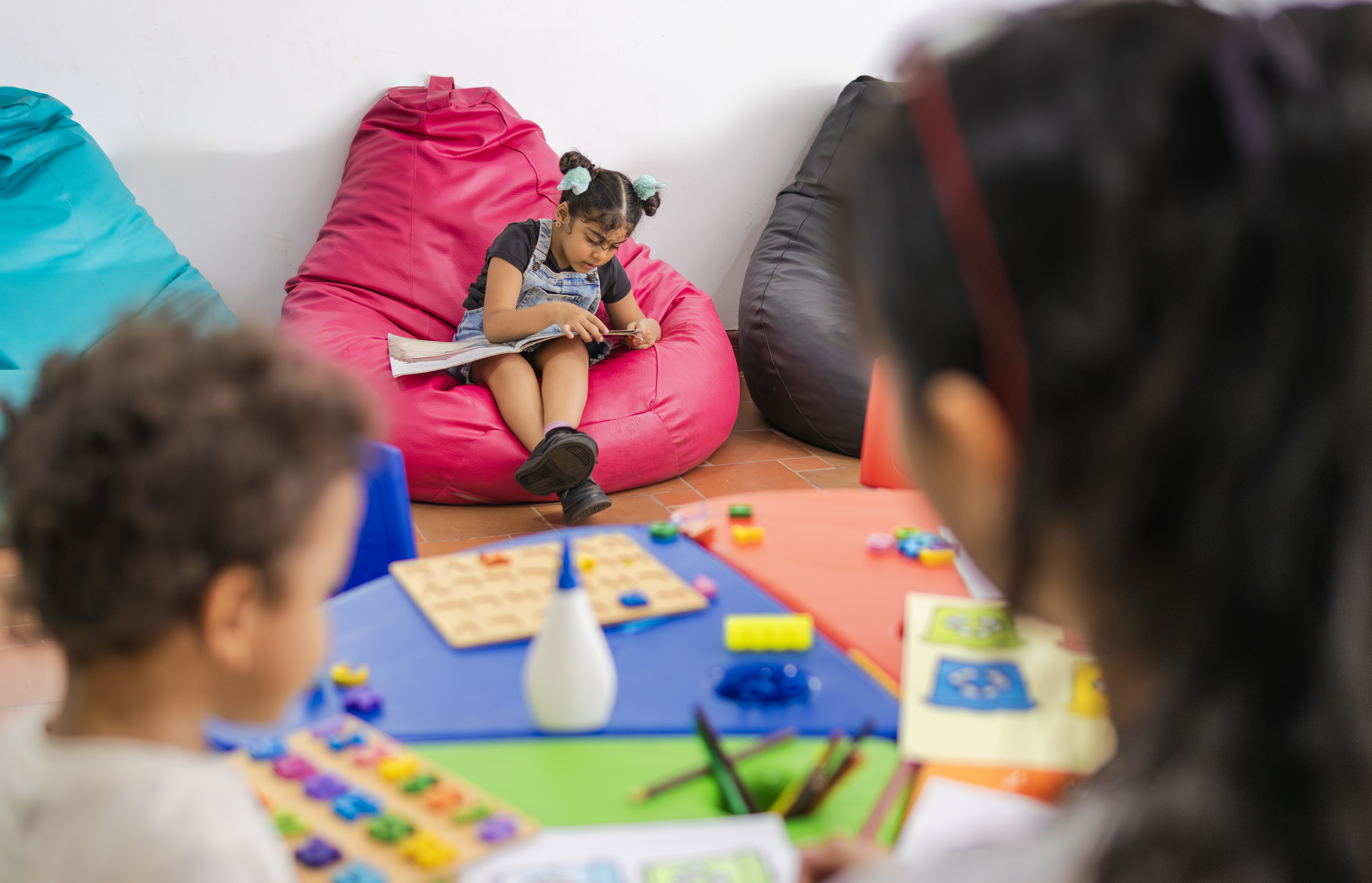
Creating a space that works for everyone starts with understanding different sensory needs. These needs often shape how individuals interact with their environment. Let’s explore how to make these environments more welcoming and supportive.
Understanding Sensory Processing Differences
Sensory processing differences mean that some people experience the world more intensely. For them, bright lights or loud sounds can feel overwhelming, affecting focus and comfort. Understanding these differences is key. Many children with ADHD or autism, for instance, often need quieter spaces. Recognising these needs helps you create environments where they can thrive.
Simple Home Environment Changes
Home is where comfort should reign. Simple changes can create a sensory-friendly home environment. Start by considering lighting. Soft, natural light often works best. Use lamps instead of overhead lights. Next, think about sound. Thick rugs or curtains can absorb noise. Also, create a quiet corner. Fill it with cushions and soft toys. This space can become a sanctuary for moments of stress. For more ideas, visit this resource on sensory-friendly home tips.
School Adjustments for Focus
Schools can be bustling, which can challenge focus. To help, consider classroom layout. Flexible seating can allow students to choose what feels best for them. Using visual supports like charts can guide and reassure students. Teachers can also set up quiet zones with calming colours and soft furnishings. These zones allow students to step away when needed. For more strategies, explore sensory-friendly classroom ideas.
Practical Tools for Comfort

Comfort is crucial for learning and living. With the right tools, you can make environments more accessible for neurodivergent individuals. Here’s how to choose the best ones.
The Role of Noise-Cancelling Headphones
When noise becomes too much, noise-cancelling headphones can be a lifesaver. They help block out distractions, making it easier to focus. This tool is especially useful in busy areas like classrooms or family gatherings. Not all headphones are the same, though. It’s important to find a pair that fits comfortably and effectively reduces noise. This small investment can lead to big improvements in focus and calm.
Flexible Seating Options
Traditional chairs don’t suit everyone. Flexible seating options let students choose what feels right for them. Bean bags, wobble stools, or standing desks offer alternatives. These options can help students stay comfortable and attentive. When students choose their seating, they often feel more in control, which can boost confidence and focus.
Using Visual Supports
Visual supports are powerful tools for clarity. They can range from simple picture schedules to detailed charts. These supports help students understand routines and expectations. They reduce anxiety by providing clear, visual cues. In classrooms, teachers can use visual schedules to outline daily activities. At home, similar tools can help with morning or bedtime routines. Learn more about how to implement visual supports with this guide.
Strategies for Sensory Regulation

Managing sensory input is crucial for maintaining focus and comfort. Various strategies can help regulate sensory experiences, making everyday life more manageable.
Effective Calming Strategies
Sometimes, sensory experiences become overwhelming. Calming strategies can help manage these moments. Deep breathing exercises are simple yet powerful. Encourage slow, deep breaths to calm the mind. Another helpful technique is the “5-4-3-2-1” grounding method. This involves identifying five things you see, four things you feel, three things you hear, two things you smell, and one thing you taste. These exercises bring focus back to the present, reducing stress.
Incorporating Sensory Diets
A sensory diet is a plan of sensory activities tailored to an individual’s needs. These activities help maintain a balanced sensory experience throughout the day. For example, some might benefit from jumping on a trampoline, while others find solace in a quiet reading nook. It’s about finding what works best. A well-planned sensory diet can prevent meltdowns and increase focus and comfort.
Proprioceptive and Vestibular Input
Proprioceptive and vestibular inputs are vital for sensory regulation. Proprioceptive input involves activities that provide deep pressure or joint compression. Examples include bear hugs or weighted blankets. Vestibular input relates to balance and movement. Swings or balance boards can provide this input. Integrating these activities throughout the day can help regulate sensory input, leading to better focus and comfort.
Creating environments where everyone feels they belong is achievable with small changes and the right tools. By understanding sensory processing differences, making home and school adjustments, and using practical tools, you can create spaces that support focus and comfort. Remember, everyone deserves a place where they can thrive.