
Preparing for Neurodiversity Assessments: A Compassionate Guide
Preparing for neurodiversity assessments can feel overwhelming, especially when you want the best for your child or yourself. You’re not alone in seeking compassionate guidance that respects every individual’s unique way of thinking. This guide offers practical steps and heartfelt support to build your confidence and understanding neurodivergence with care. Let’s explore how thoughtful assessment preparation can open the door to inclusive support tailored just for you.
Preparing for Neurodiversity Assessments

Building Confidence and Understanding
Navigating a neurodiversity assessment begins with confidence. Feeling prepared can reduce anxiety and lead to a more successful experience. The key is understanding what to expect. Start by researching the type of assessment you’ll be undertaking. Knowing the process can help ease worries and set realistic expectations.
Talk to professionals who have experience in neurodiversity assessments. They can provide insights and answer questions you may have. Connecting with other parents or individuals who have gone through similar assessments can also be reassuring. Sharing experiences helps build a supportive community where you feel understood.
Gathering Essential Documents
Having the right documents ready is crucial. Organising your paperwork before the assessment ensures a smoother process. Begin by collecting any previous evaluations or reports that might be relevant. These documents provide valuable context and help the assessor understand your unique situation.
Don’t forget to include any school reports, medical records, or notes from teachers or therapists. These insights offer a comprehensive view of strengths and challenges. By having all necessary documents in hand, you make it easier for assessors to offer informed recommendations and support.
Preparing Emotionally and Practically
Emotional readiness is as important as having the right documents. Assessments might bring up feelings of vulnerability or self-doubt. It’s okay to feel this way — you’re not alone. Consider discussing any concerns with a trusted friend or mental health professional who can offer support and perspective.
On a practical level, plan logistics ahead of time. Know the location of the assessment, arrange transport, and consider any accommodations that might be needed. Bringing a favourite item can provide comfort during the assessment. These small steps help create a positive environment, paving the way for a smooth and stress-free experience.
Inclusive Support for Families and Educators

Strategies for Parents of Neurodivergent Children
Parenting a neurodivergent child comes with unique joys and challenges. It’s important to tailor support to your child’s needs. Start by creating a structured yet flexible routine that accommodates their strengths and challenges. Consistency can provide a sense of security and predictability.
Engage with resources that help you better understand your child’s neurodivergence. This practical guide offers strategies for fostering development and confidence. Collaborating with professionals, such as therapists or educators, can also bridge gaps in understanding and open up new pathways for growth.
Creating an Inclusive Classroom Environment
Educators play a vital role in shaping inclusive spaces. Adapting teaching methods to support diverse learners is key. Start by implementing visual aids or sensory tools that cater to different learning styles. These adjustments can make a world of difference for neurodivergent students.
Foster an environment where all students feel valued and respected. Encourage open discussions about differences and similarities. Education about neurodiversity promotes empathy and understanding. Providing teachers with neurodiversity-affirming resources enables them to support every student effectively.
Understanding Neurodivergence and Celebrating Differences
Embracing Individual Strengths
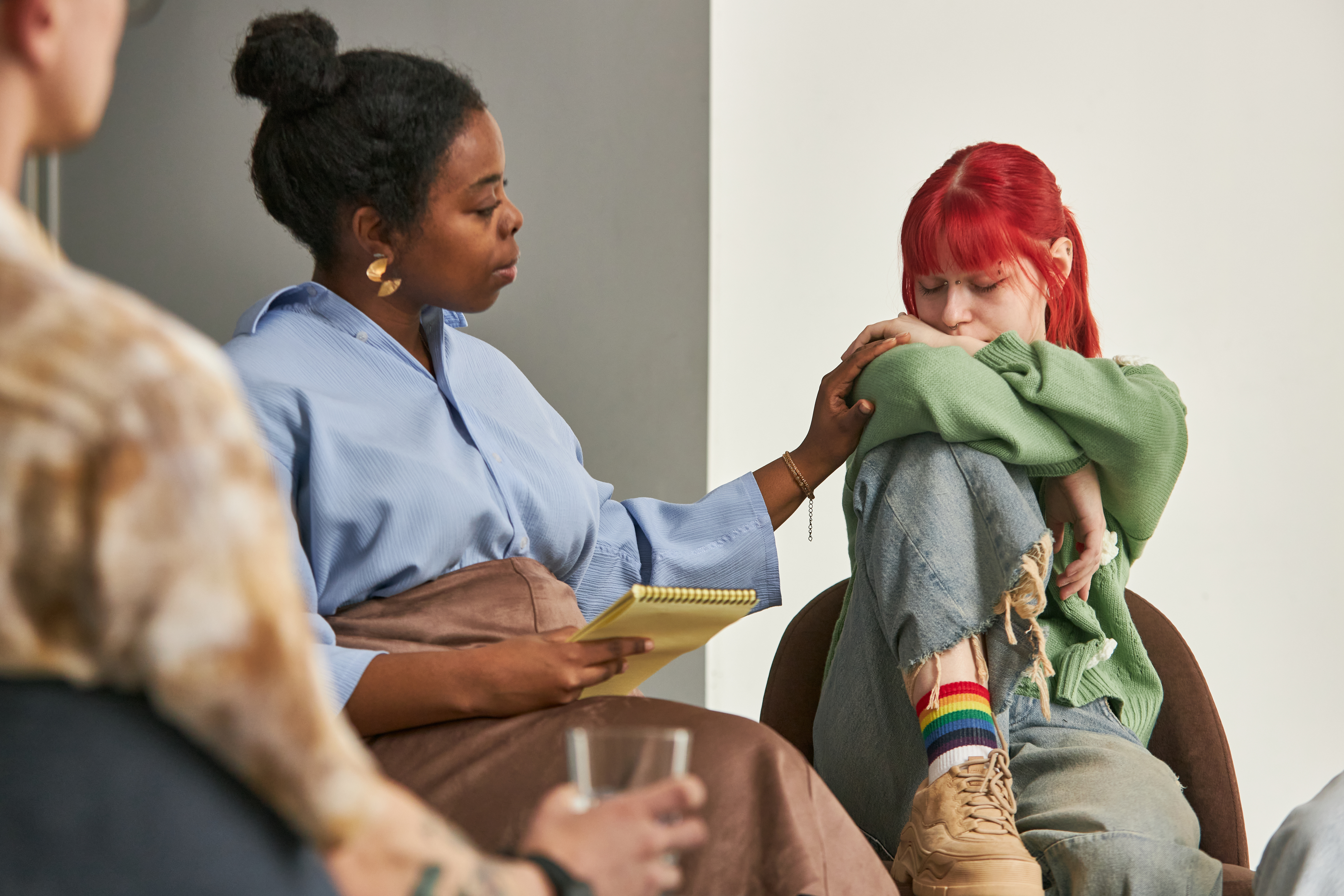
Every neurodivergent individual has unique strengths. Recognising and celebrating these strengths is empowering. Encourage activities that highlight these abilities, whether in art, music, or analytical tasks. This approach fosters self-esteem and confidence.
Consider the story of a child who struggled in traditional settings but thrived in creative projects. Their ability to think outside the box led to innovative solutions and ideas. By focusing on strengths, we nurture potential and build resilience.
Encouraging Open Conversations and Acceptance
Open dialogue about neurodiversity promotes acceptance. It’s important to create a safe space where individuals can express themselves without judgement. Encourage discussions that explore both challenges and strengths, fostering empathy and understanding.
Acceptance starts with awareness. Educate yourself and others using resources like the NAIT Neuro-Affirming Reports Guide. This guide offers valuable insights into creating supportive environments for neurodivergent individuals. By celebrating differences, we create a more inclusive world for everyone.
Reach out to us for personalised support and resources to guide you through your assessment journey. 😊