
Neurodiversity Assessments in the UK: A Step-by-Step Family Guide
Navigating neurodiversity assessments in the UK can feel overwhelming for families. Waiting times, different routes, and unclear steps often add to the stress. This guide breaks down what to expect from ADHD, autism, dyslexia, and dyscalculia assessments, whether through the NHS or private pathways. You’ll find practical tips to prepare, reduce anxiety, and feel confident at every stage—because every child deserves to thrive and everyone belongs. For more detailed guidance, check out this step-by-step guide.
Understanding Neurodiversity Assessments
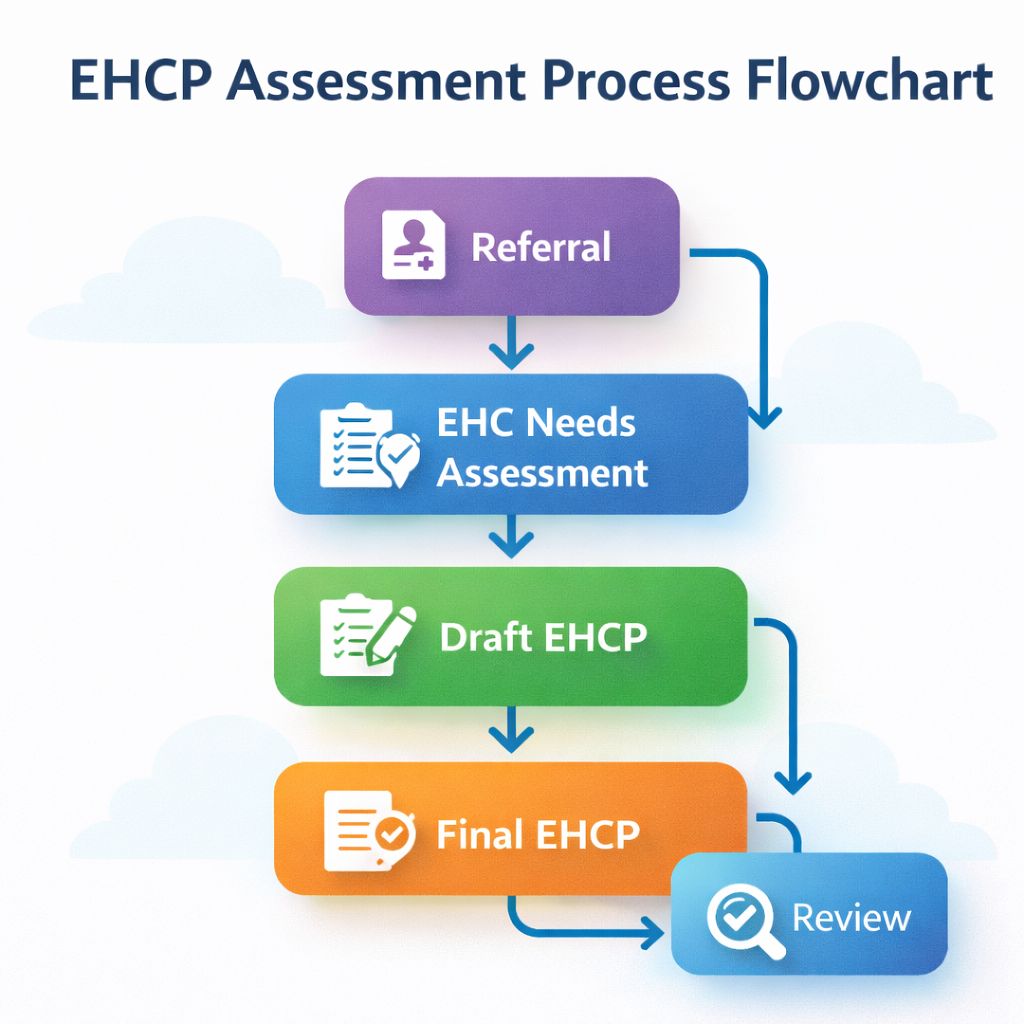
Starting your journey with neurodiversity assessments might feel daunting, but with the right guidance, you can navigate it with ease. This section sheds light on the different assessment pathways available.
Navigating ADHD and Autism Assessments
ADHD and autism assessments often begin with observations at home and school. Your child might show signs like difficulty focusing or social challenges. These assessments involve a series of evaluations to understand their unique needs.
-
Begin with a visit to your GP or a referral from school.
-
Be prepared for a combination of interviews, questionnaires, and possibly observation sessions.
-
Investigate different pathways: NHS routes may have longer waiting times, but local support networks can provide interim guidance.
Understanding this process helps ensure your child receives the right support. For a comprehensive overview, explore the ADHD assessment process.
Dyslexia and Dyscalculia Pathways
Dyslexia and dyscalculia assessments focus on understanding how your child processes language and numbers. These assessments can illuminate strengths and areas needing support.
-
Start by discussing concerns with your child’s teacher.
-
Assessments might include reading tests or practical math exercises.
-
Early identification is key: recognising these needs can transform how your child learns.
For additional insights, read about the dyslexia assessment process.
NHS vs. Private Assessment Options
Choosing between NHS and private assessments depends on your family’s needs. Both avenues offer valuable insights, but each has its own benefits and challenges.
-
NHS Assessments: Free but may involve long wait times. Ideal for those seeking comprehensive support plans.
-
Private Assessments: Faster with personalised approaches. Useful for immediate insights and tailored strategies.
Explore the pros and cons of private assessments.
Preparing for the Assessment
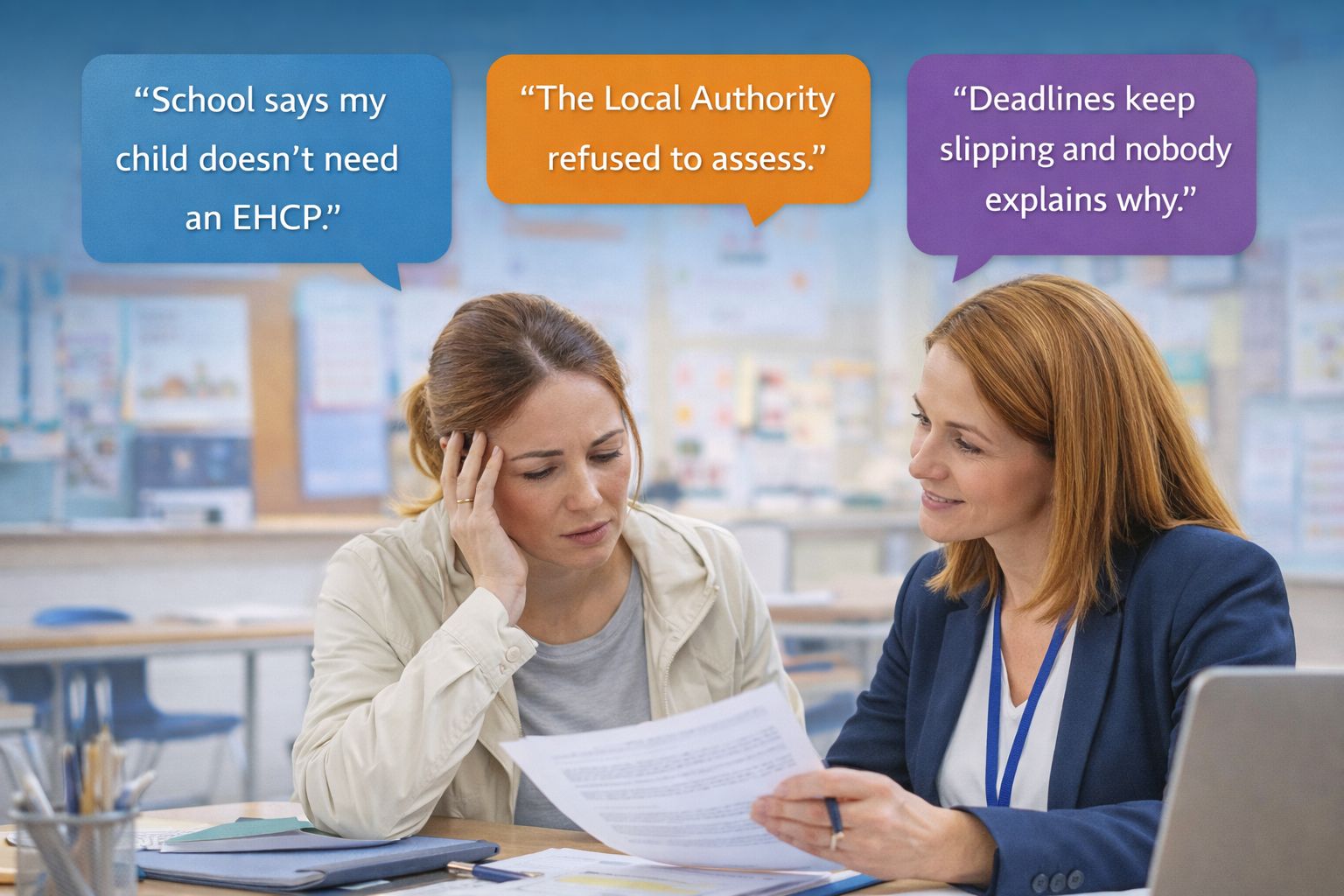
Preparation can ease anxiety and help you feel more in control. This section guides you through what to expect and how to prepare effectively.
What to Expect: A Step-by-Step Guide
Understanding the assessment process step by step can demystify what lies ahead. Here’s a simple breakdown:
-
Initial Consultation: Discuss your concerns with a professional, starting the referral process.
-
Comprehensive Evaluation: Involves interviews, observations, and testing.
-
Feedback Session: Review results and discuss next steps.
Knowing each step builds confidence. For an in-depth look, check out this guide for parents.
Practical Tips for a Smooth Process
Smooth the path to assessment with these tips, ensuring your child’s comfort and your peace of mind:
-
Gather Information: Compile reports from teachers, doctors, and previous assessments.
-
Prepare Your Child: Explain the process simply, highlighting the positive aspects.
-
Stay Organised: Keep a folder of all relevant documents and communication.
These steps can make the process feel less overwhelming and more manageable.
Building Confidence and Reducing Stress
Confidence grows when you feel prepared and supported. Here’s how to reduce stress during assessments:
-
Mindset Matters: Approach the assessment as a way to better understand your child’s needs.
-
Seek Support: Connect with other parents who can share their experiences and advice.
-
Focus on Strengths: Highlight your child’s unique abilities and achievements.
Remember, the goal is to enhance understanding and support for your child.
Support and Strategies for Families
After the assessment, creating a supportive environment at home and school is crucial for your child’s growth and success.
Inclusive Strategies for Home and School
Implementing inclusive strategies ensures your child thrives in diverse environments:
-
At Home: Use visual aids and structured routines to support learning.
-
In School: Collaborate with teachers to adapt lessons and provide accommodations.
These strategies help build a supportive framework where your child can excel.
SEN Support and EHCP Evidence
Understanding SEN support and EHCPs is vital for accessing the right resources:
-
SEN Support: Includes tailored interventions without an EHCP.
-
EHCPs: Provide legal backing for specific educational needs.
Documenting your child’s progress and needs helps secure necessary support.
School of Neurodiversity’s Compassionate Approach
Our compassionate approach focuses on celebrating strengths and providing tailored guidance:
-
Empathy-Driven: We prioritise understanding and celebrating your child’s unique mind.
-
Tailored Strategies: Individualised plans that align with your child’s needs.
-
Community Support: Join a network that values diversity and inclusion.
By embracing neurodiversity, we foster environments where every child has the opportunity to thrive. Let’s build a future where everyone belongs.