
Neurodiversity assessments in the UK: a family guide for 2026
Neurodiversity assessments in the UK have changed a lot by 2026, and knowing the right steps can ease a lot of worry. You might be wondering how NHS waiting times compare with private options, or what evidence you’ll need to gather before an assessment. This guide will walk you through what to expect from autism, ADHD, dyslexia, and dyscalculia assessments, plus how to prepare your child and secure the support they deserve. Let’s make sure everyone belongs and every family feels ready to take the next step. For more information, you can visit this resource.
Understanding Neurodiversity Assessments

Navigating neurodiversity assessments can feel overwhelming, but understanding the process can bring clarity. Whether you’re considering NHS or private assessments for conditions like autism, ADHD, dyslexia, or dyscalculia, knowing your options will empower you to make informed decisions.
NHS vs Private Assessment Routes
When deciding between NHS and private assessment routes, it’s crucial to weigh the pros and cons. The NHS offers free assessments, but waiting lists can be long. Many families find themselves waiting months, sometimes even over a year, for an initial appointment. Private assessments, while quicker, involve costs that can vary widely. This option often provides faster access to support and tailored advice but requires financial investment. Sharing experiences with other parents might reveal unexpected insights into both pathways.
Expected Timelines and Costs
Timelines and costs differ significantly between NHS and private assessments. NHS waits can exceed twelve months due to high demand. Private assessments typically occur within weeks, but prices range from £500 to over £2,000, depending on the provider and assessment complexity. Before choosing a path, consider your child’s immediate needs and your financial situation. While private assessments offer speed, the NHS remains a vital option for many families.
For detailed comparison, check out this local guidance.
Preparing for Your Child’s Assessment

Preparation is key in making your child’s assessment process smooth and less stressful. Gathering evidence and emotionally preparing your child can significantly impact the experience.
Evidence to Gather
Collecting comprehensive evidence is crucial for a thorough assessment. Start with school reports, detailing any observed behaviours or learning challenges. Request records of any previous interventions, like speech therapy or educational psychology assessments. Keep a diary of behaviours or incidents; these can highlight patterns or triggers. Personal observations and anecdotes can provide additional context that formal reports might miss. Remember, the more information you provide, the better the assessment will reflect your child’s unique needs.
How to Prepare Your Child
Preparing your child emotionally can ease anxiety around assessments. Begin by explaining what the assessment will involve in simple terms. Use stories or role-playing to familiarise them with the process. Highlight that the assessment isn’t a test, but a way to understand how they learn best. Encourage them to express any worries, and reassure them that feeling nervous is normal. Practising relaxation techniques, like deep breathing, can also be beneficial.
Explore this guide to neurodivergence for more insights on supporting your child.
Support and Rights After Diagnosis
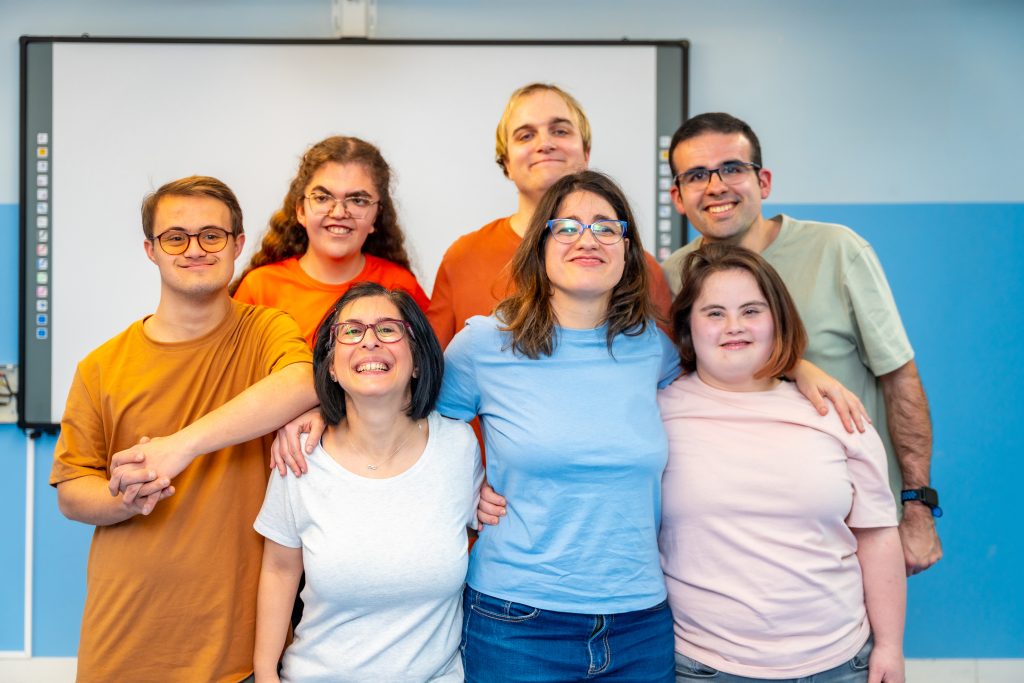
After a diagnosis, understanding your child’s rights and the support available is vital. This knowledge can help you advocate effectively and ensure your child thrives in their educational environment.
SEND Support and EHCP Guidance 2026
In 2026, SEND support and EHCPs remain crucial elements of educational planning. SEND support should be tailored to meet your child’s specific needs without a formal EHCP. However, for those with more complex needs, an EHCP provides a legal framework ensuring necessary provisions are in place. This includes personalised learning plans, access to specialist resources, and regular reviews. If you feel your child’s current support plan isn’t adequate, you can request an EHCP assessment.
A practical guide to understanding these processes is available here.
Reasonable Adjustments in UK Schools
Understanding reasonable adjustments in schools is essential for ensuring an inclusive environment. Schools must accommodate your child’s needs, which might include modifications like extra time for tasks, quieter spaces for exams, or specialised equipment. Open communication with teachers and SENCOs is key to identifying necessary adjustments. If resistance occurs, you have the right to request a meeting to discuss your child’s needs further.
By staying informed and proactive, you can create a supportive educational experience for your child. For more information about neurodiversity support and inclusive strategies, visit the School of Neurodiversity.