
Neurodiversity assessments in the UK: a comprehensive family guide for 2026
Neurodiversity assessments in the UK can feel overwhelming, especially with changes coming in 2026. You’re not alone if you’re unsure about NHS versus private routes, waiting times, or what to expect during an autism assessment UK or ADHD assessment UK. This guide breaks down what your family needs to know, helping you take each step with clarity and confidence. Let’s explore how to prepare, what costs you might face, and how to use assessment results to support your child’s strengths. For more information, you can visit this government strategy document.
Understanding Neurodiversity Assessments

When navigating neurodiversity assessments, it’s essential to understand the various pathways available. These assessments can provide crucial insights into your child’s needs and strengths. Let’s discuss how you can choose the right path for your family.
Navigating Assessment Pathways
Finding the right assessment starts with understanding the options. You might wonder whether to go through the NHS or seek private assessments. Each path comes with its own processes and timelines.
-
NHS Route: If you choose the NHS, you typically start with a referral from your GP. This process can take time, especially with increasing demand. Keep in mind the current waiting times: in some areas, families report waits of over a year.
-
Private Assessment: Going private can be quicker but often comes with higher costs. You might face prices ranging from £500 to over £2000. However, the benefit is a shorter wait and potentially more tailored attention.
Consider what’s most important for your child. Is it speed, cost, or specific expertise? Each option has its pros and cons. Remember, the path you choose should align with your family’s needs and timeline.
NHS vs Private Assessment Options
Choosing between NHS and private assessments involves weighing several factors. Every family’s situation is unique, but understanding these options can help you make an informed decision.
-
NHS Assessments: These are free and can be comprehensive. However, the wait can sometimes feel endless. If you’re willing to navigate the system and wait, this might be an option. Communicate with your GP regularly to check on the status of your referral.
-
Private Assessments: These provide quicker access to specialists. If you opt for this, research thoroughly. Look for clinics with experienced professionals who understand neurodiversity.
Pricing can be a hurdle, but some providers offer payment plans. Consider asking about these options if upfront costs are a concern. Remember, no choice is perfect. The best choice aligns with your priorities: whether it’s cost, time, or access to specific resources.
For more guidance on pathways, visit Neurodiversity in Children and Young People.
Preparing for the Assessment

Getting ready for an assessment can be daunting. With the right preparation, you can ensure the process is smooth and informative. Here’s how to gather what you need and ease your child’s worries.
Gathering Necessary Information
Before the assessment, you’ll need to collect detailed information. Start with a thorough history of your child’s development and behaviour. This information helps professionals understand your child better.
-
Medical Records: Gather any relevant medical history, including previous assessments or diagnoses.
-
Educational Reports: School reports and observations can offer insights into your child’s learning style and challenges.
-
Behavioural Notes: Keep a log of behaviours, noting any patterns or triggers. This can be invaluable during discussions with professionals.
Having these documents on hand can make the assessment process more efficient. It shows you’re proactive and ready to collaborate. Preparation is key to a comprehensive evaluation.
Preparing Your Child for the Assessment
Helping your child know what to expect can reduce anxiety. Explain the process in simple terms, focusing on how it can help them.
-
Talk About It: Use age-appropriate language to discuss the assessment. Emphasise that this is to understand and support their strengths.
-
Role-Play: Practicing scenarios can make the real thing less intimidating. You could simulate some basic questions they might be asked.
-
Ask for Their Input: Encourage your child to voice any concerns. Listening to their worries shows you value their feelings.
Reassuring your child helps them feel secure and understood. Their comfort is crucial for an accurate assessment outcome.
Post-Assessment Steps
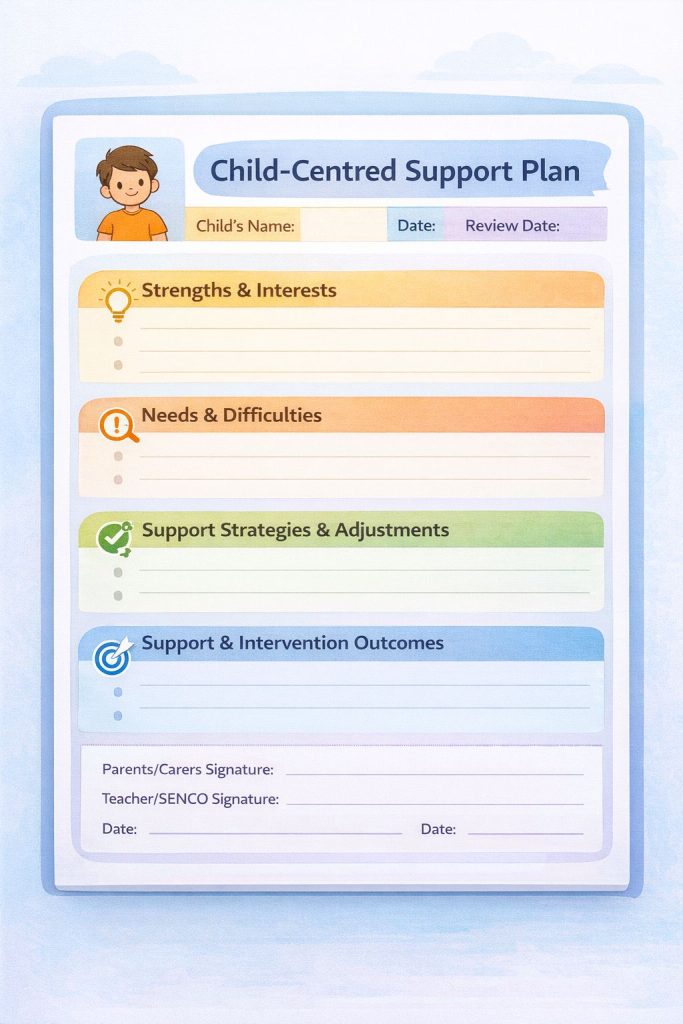
After the assessment, you’ll receive reports that can guide your next steps. Understanding these reports and knowing how to use them can benefit your child significantly.
Using Reports for Support
Assessment reports are more than just paperwork—they’re tools for support. Here’s how you can use them to your child’s advantage.
-
Read Thoroughly: Go through the reports carefully. Highlight key findings and recommendations. If anything is unclear, don’t hesitate to ask the assessor for clarification.
-
Share with Schools: Providing these insights to your child’s teachers can tailor their educational experience. It helps educators provide the right support.
-
Develop a Plan: Use recommendations to set goals. Whether it’s at home or school, having a direction can make supporting your child more effective.
Reports should be seen as guides—not definitive labels for your child. They’re starting points for building a supportive environment.
Understanding Reasonable Adjustments
Once you have the report, it’s time to consider what adjustments might help your child thrive. These adjustments are essential for creating an inclusive space.
-
In School: Discuss with teachers about tailored support, like seating arrangements or additional breaks. SENCOs can be pivotal allies in this process.
-
At Home: Simple changes, like creating a quiet study area, can make a big difference.
-
In the Community: Inform other caregivers or activity leaders about your child’s needs. This ensures consistency and understanding in all environments.
Understanding and implementing these adjustments can empower your child to succeed. The goal is to build a world where they feel valued and supported.
For more in-depth guidance on adjustments and support, check this guide to neurodivergence.
In conclusion, navigating neurodiversity assessments in the UK can be a complex journey, but with the right knowledge and preparation, you can make informed decisions. Prioritising your child’s needs, gathering thorough information, and understanding post-assessment steps are crucial. Remember, the choices you make today will help build a brighter, more inclusive future for your child.