
Fostering Belonging: Crafting Inclusive Spaces for Neurodiverse Minds
Too many schools and homes still miss the mark on creating inclusive spaces where neurodiverse minds feel truly welcome. You know how it feels when your child or student struggles to find their place—that sense of not quite belonging. This post will show you practical ways to build environments that celebrate differences and offer real support for neurodivergent individuals. Join us in crafting communities where everyone belongs and thrives. Explore the benefits of inclusion here.
Understanding Neurodiversity and Belonging
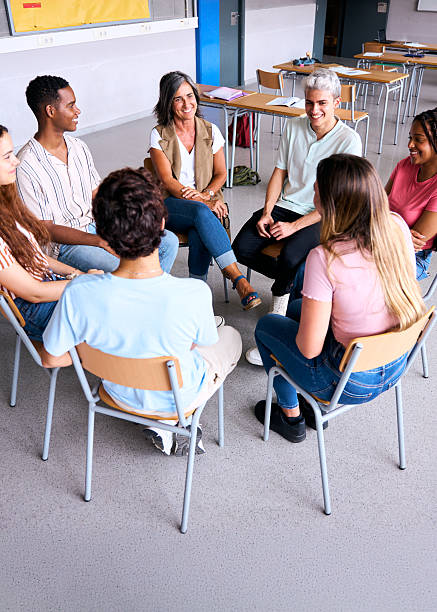
Understanding the concepts of neurodiversity and belonging is the first step to creating inclusive spaces. It’s crucial to see how unique minds contribute to our communities and how fostering belonging can make a difference.
What is Neurodiversity?
Neurodiversity is the natural variety in how people think, learn, and experience the world. It includes conditions like ADHD, autism, dyslexia, and more. These aren’t problems to fix but differences to celebrate. People often bring unique strengths along with challenges. For example, someone with ADHD might excel in creativity and problem-solving. Embracing these differences helps everyone thrive.
The Importance of Belonging
Belonging means feeling accepted and valued for who you are. It’s the heart of inclusive spaces. When neurodivergent individuals feel they belong, they’re more confident and engaged. Studies show that inclusive spaces boost mental well-being. This sense of belonging is vital in schools and workplaces.
Common Misconceptions
Many misunderstand neurodiversity. Some think it means a lack of ability, but that’s not true. Neurodiverse individuals often have exceptional talents. For instance, people with autism may have incredible focus and memory. Let’s challenge these myths and recognise the strengths inherent in neurodiversity.
Creating Inclusive Spaces
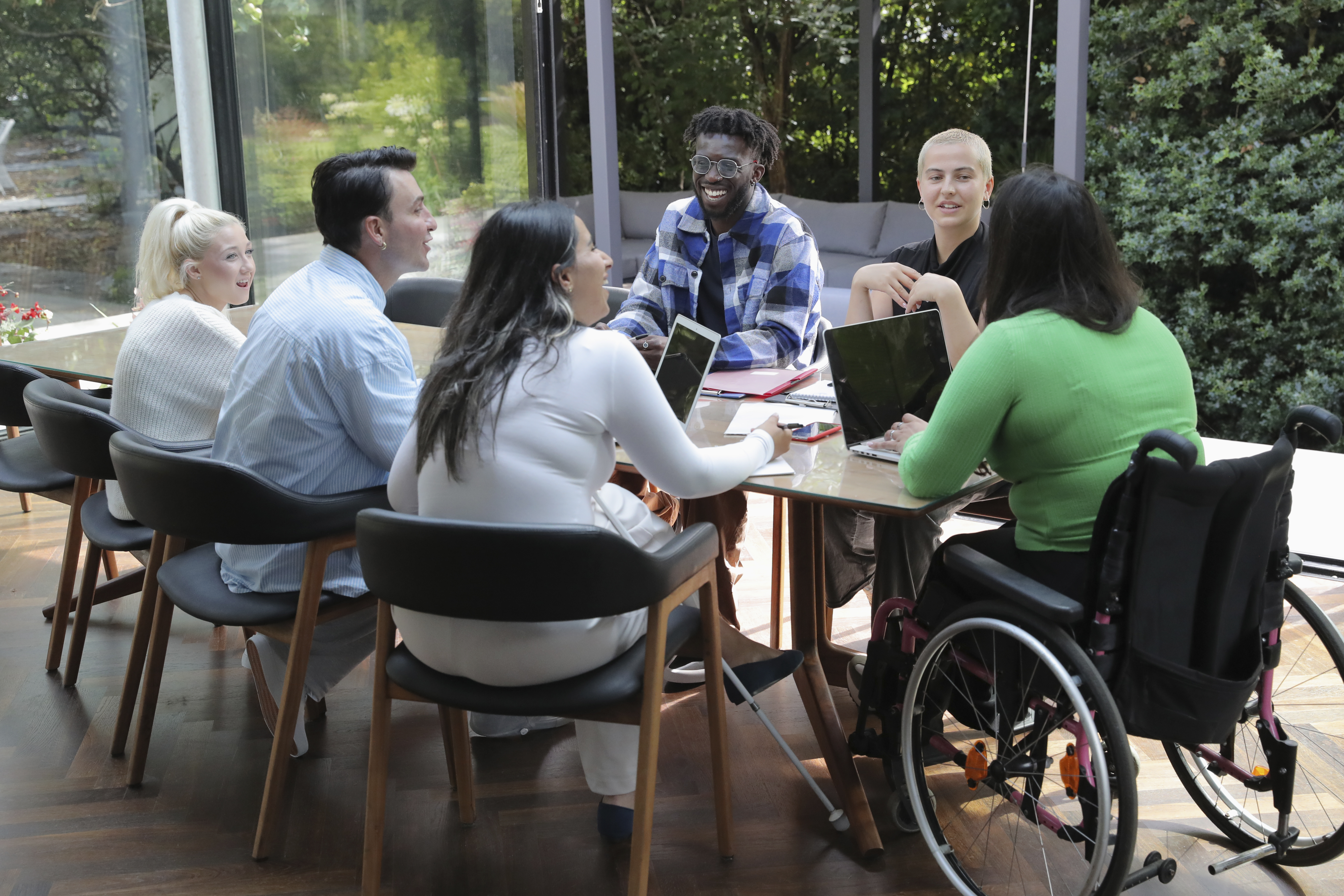
Creating spaces where everyone feels they belong requires intentional steps. Inclusivity is about ensuring everyone has a place at the table. Here’s how you can make that happen.
Practical Steps for Inclusivity
Start by making small changes. Use clear communication and ensure accessibility. For example, provide written instructions and use visual aids. Create quieter spaces for those who need them. An inclusive environment respects and accommodates all needs. By making these adjustments, you’re supporting neurodivergent individuals in meaningful ways. Explore practical tips here.
Support for Neurodivergent Individuals
Support is essential. Offer flexible options in education and work settings. This might include flexible deadlines or alternative assignments. Support groups and peer mentoring can also be beneficial. By providing these options, you help neurodivergent individuals thrive in their unique ways.
The Role of Inclusive Education
Inclusive education is vital for fostering belonging. It’s about adapting teaching strategies to meet diverse needs. Teachers can use sensory-friendly tools or varied teaching methods. When education is inclusive, all students benefit. They learn to appreciate differences, building a more empathetic community.
Positive Impacts on Communities
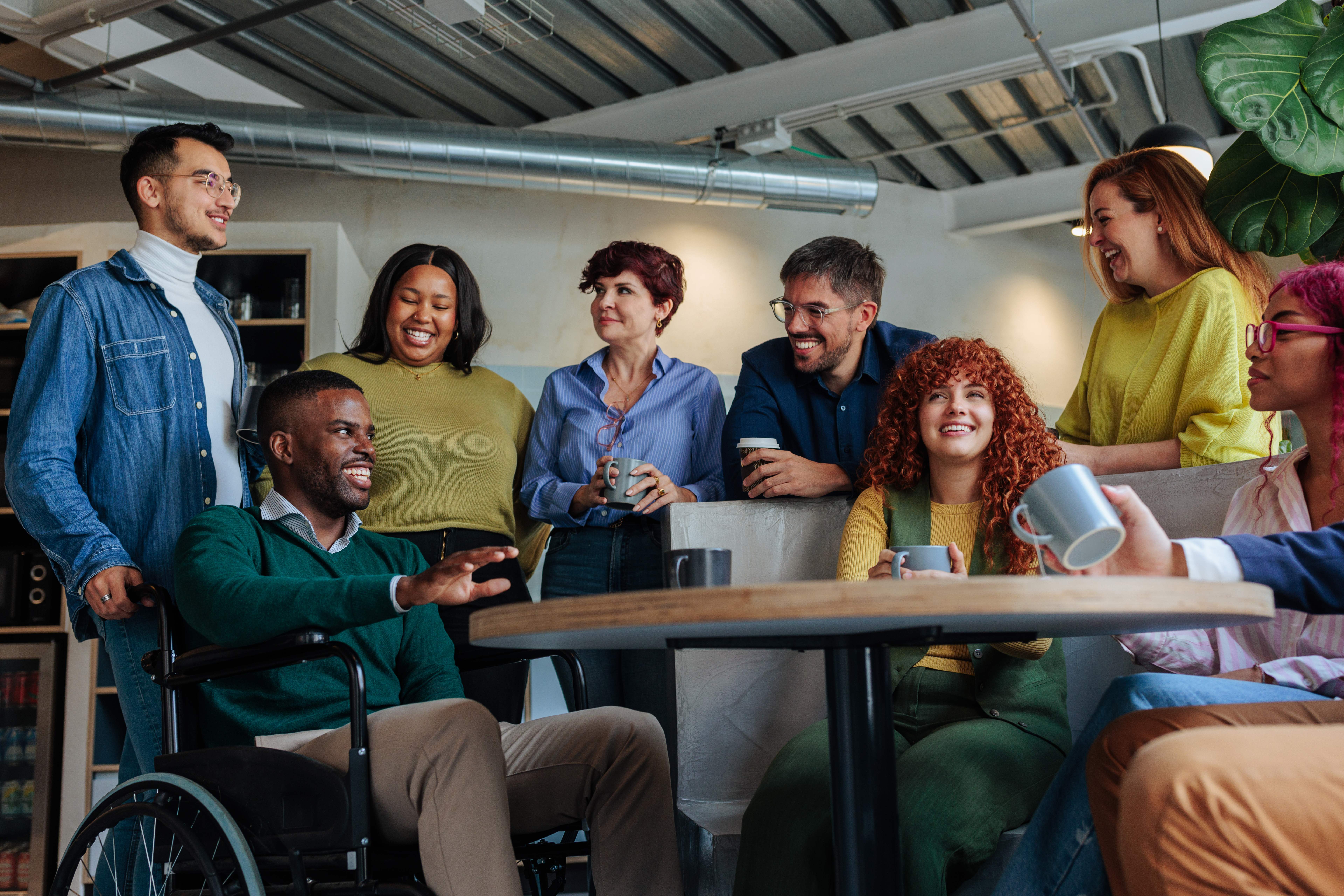
Communities built on empathy and inclusion have the power to transform lives. By valuing each person’s contribution, we create a supportive network where everyone can flourish.
Building a Supportive Network
A supportive network connects people. It provides resources and emotional backing. Schools and workplaces can form alliances with local organisations. This network helps individuals access the support they need to succeed. Discover more about building these networks.
Celebrating Differences
Celebrate differences by acknowledging everyone’s unique contributions. Host events that highlight diverse talents and stories. This celebration fosters understanding and respect, strengthening community bonds.
The Power of Empathy and Inclusion
Empathy and inclusion transform communities. When you practice empathy, you understand others’ perspectives. Inclusion means everyone feels valued. Together, they break down barriers and build bridges. Learn about belonging and how it impacts communities.
🌟
Creating inclusive spaces where everyone belongs requires effort and understanding. By recognising neurodiversity, valuing differences, and fostering empathy, you can make a lasting impact. Let’s continue working towards communities where everyone feels welcome and supported.