
Essential communication tools to support neurodivergent individuals at home and school
Communication can feel overwhelming when traditional methods don’t fit your child or student’s unique way of connecting. Finding the right tools to support neurodivergent individuals brings calm and clarity to everyday interactions. In this guide, you’ll explore practical communication support for neurodivergent individuals that suits different ages and needs, helping everyone feel valued and heard at home and school. For further information, check out this communication guide.
Practical Communication Tools
Communication tools can make a world of difference for neurodivergent individuals. Let’s explore some options that can help foster understanding and connection.
AAC for Everyday Use
Imagine being able to express your thoughts clearly without speaking. That’s the power of AAC (augmentative and alternative communication). These tools include devices, apps, and picture boards that help individuals communicate their needs and feelings. For instance, a child can use a tablet with a speech-generating app to tell you if they’re hungry or tired.
AAC can be tailored to different skill levels, making it suitable for both children and adults. The key is to choose a method that feels natural to the individual. When communication opens up, confidence grows. Families often find that once they explore AAC, daily interactions become smoother and more fulfilling.
Visual Schedules UK
Visual schedules are a simple yet powerful way to create structure. They use images and symbols to outline daily activities, helping individuals know what to expect next. These schedules are especially useful in reducing anxiety and building independence.
For example, a visual schedule might show breakfast, school, playtime, and bedtime. This gives a clear overview of the day, allowing children to understand and prepare for transitions. Visual schedules are adaptable and can be used in various settings, from home to school. They’re a practical tool for anyone who thrives on routine.
Explore more about visual supports and how they can be used effectively.
Social Stories and Scripts
Social stories and scripts are narratives that describe social situations and expected behaviours. They are designed to guide individuals through interactions that might otherwise be challenging. These stories can be customised and often include pictures to make them engaging.
Consider a social story about visiting the dentist. It might outline what will happen step-by-step, reducing fear and uncertainty. Social scripts can also help with everyday conversations, like greeting someone or asking for help. By practising these interactions, individuals feel more prepared and confident in social settings.
For more tips, check out this resource on autism communication tools.
Strategies for Personalised Support
After exploring communication tools, it’s time to personalise strategies to fit unique needs. Tailored support can enhance communication and create meaningful connections.
Choosing the Right Tools
Selecting the right communication tools requires understanding the individual’s preferences and needs. You might start by observing where they struggle most. Are transitions difficult? Is expressing emotions a challenge?
Once you’ve identified the needs, explore different tools. Some might benefit from AAC, while others find visual schedules more helpful. It’s okay to experiment and adjust as needed. Remember, the goal is to empower the individual to express themselves comfortably.
Autism Communication Strategies UK
Communication with autistic individuals can be enriched with specific strategies. Clear and direct language is often effective. Pairing verbal instructions with visual aids can provide clarity. Autism communication tools can offer additional insights.
Another strategy is using interests as conversation starters. Many autistic individuals have focused interests that they love to discuss. Engaging in these topics can open up communication pathways and strengthen connections.
ADHD Communication Tools
For those with ADHD, maintaining focus during communication can be a challenge. Tools such as timers and checklists can help keep conversations on track. Breaking information into smaller chunks makes it more digestible.
Active listening is vital. Encourage them to repeat back what was discussed to ensure understanding. Patience and flexibility are key. By providing these supports, you create an environment where they can thrive communicatively.
Building an Inclusive Environment
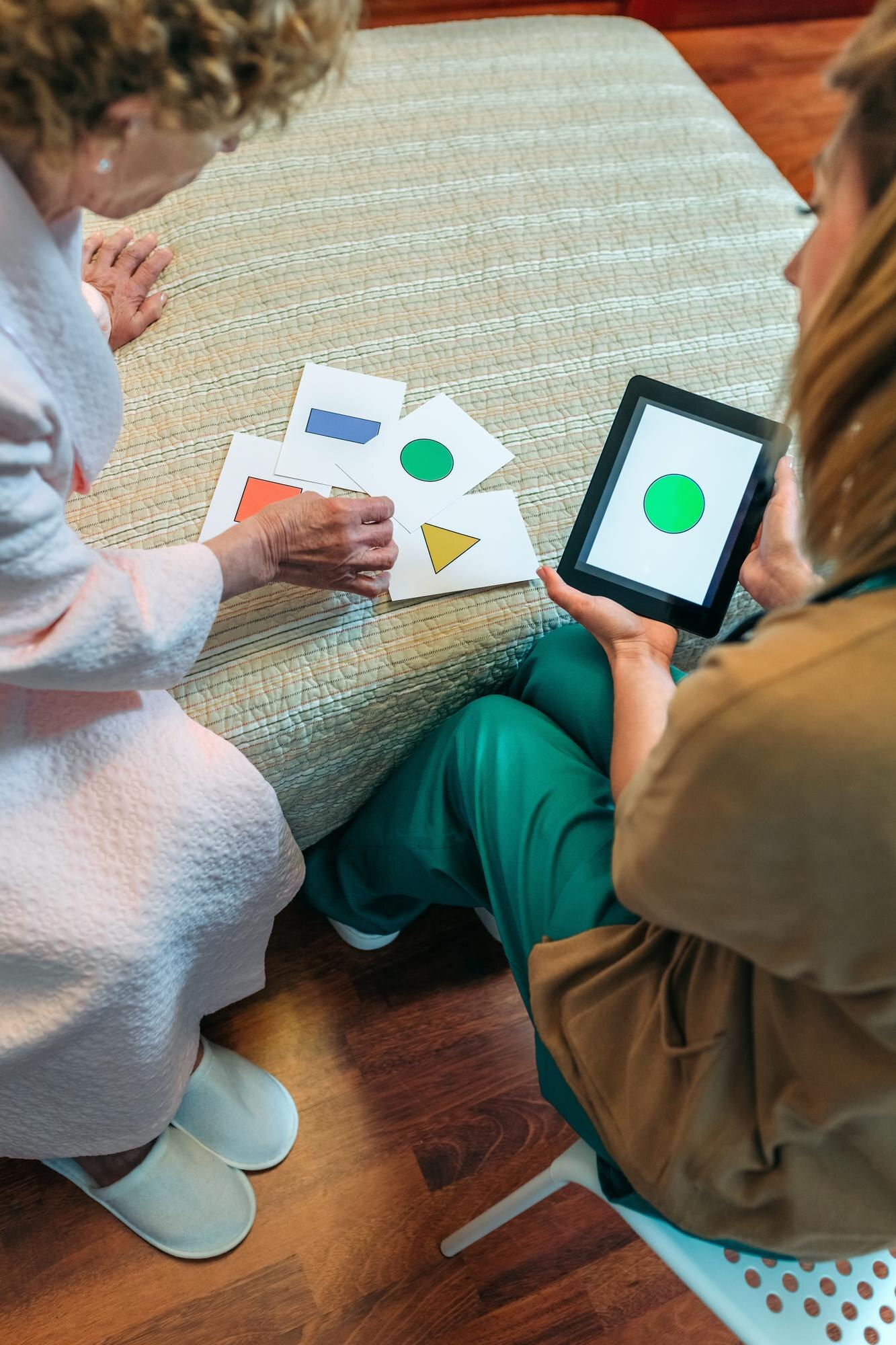
Creating an inclusive environment is essential for effective communication. It involves adapting spaces and attitudes to meet diverse needs.
Inclusive Classroom Communication
In classrooms, inclusivity means ensuring all students can participate. Teachers might use a mix of verbal, visual, and tactile methods to present information. Group activities can be structured to include every student, recognising that each brings unique strengths to the table.
Encouraging peer support fosters a sense of community. When students help each other, they learn empathy and collaboration. Inclusive classrooms are not just about learning; they are about belonging.
Sensory-Friendly Communication
Consideration of sensory needs can greatly improve communication. Some individuals might be sensitive to noise or light, which can affect their ability to focus and interact. Creating a calm environment with minimal distractions can enhance their comfort and engagement.
Using sensory-friendly materials, like textured fidgets, can also be beneficial during conversations. These small adjustments can make a big difference in how individuals connect with others.
Speech and Language Support UK
Access to speech and language support can be transformative. Specialists can provide assessments and tailored strategies for individuals struggling with communication. They work closely with families and educators to create consistent support systems.
Speech and language therapists use a variety of techniques to improve communication skills. Whether through one-on-one sessions or group activities, they help individuals find their voice and engage more meaningfully with the world around them.
In summary, communication is key to connection and understanding. By using practical tools and personalised strategies, we can support neurodivergent individuals in expressing themselves and feeling truly heard.