


Math Doesn’t Define Me: Teenage Dyscalculia Support
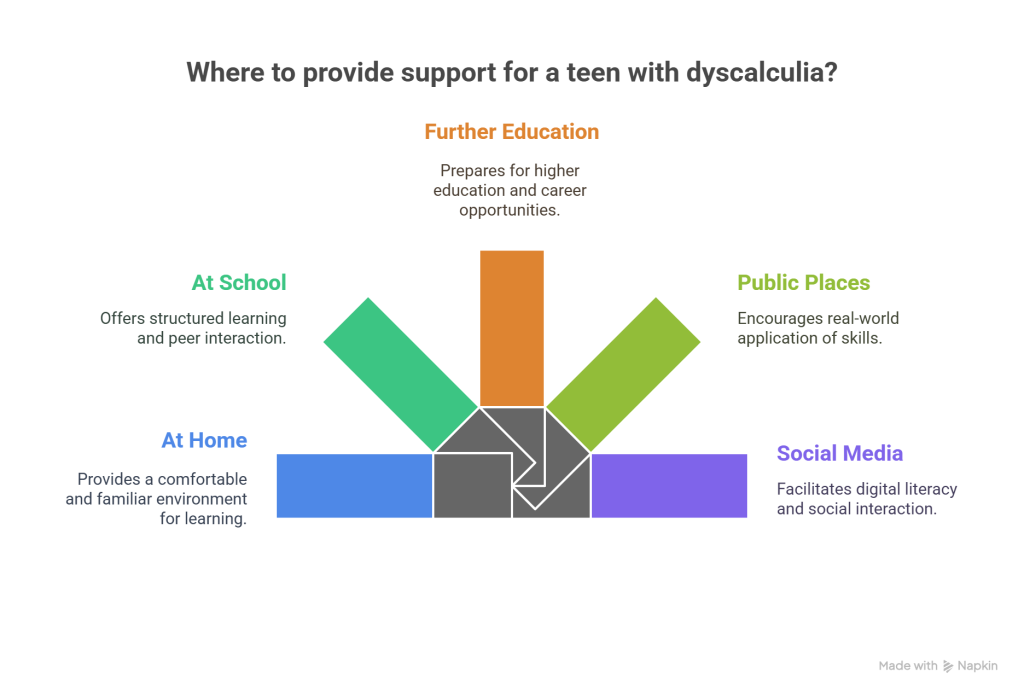
Teenagers with dyscalculia often face increasing pressure—from academic demands and daily responsibilities to growing independence in social and digital spaces. This course is designed to help teens and their families navigate these challenges with practical tools and positive, strengths-based strategies. At home, the course supports routines that make managing time, money, and homework less overwhelming. In school and further education, it provides guidance on securing accommodations, building maths confidence, and using assistive tools to stay on track.
It also addresses real-world challenges in public places—like handling public transport, shopping, or understanding schedules—and offers support for managing the number-driven aspects of social media, such as time tracking, likes, or in-game scores. With a focus on confidence, independence, and self-advocacy, this course empowers teens with dyscalculia to feel capable and supported wherever life takes them.
At Home: Building Everyday Confidence
Home is where teens with dyscalculia need to feel most supported. This module helps families create daily routines that reduce anxiety around numbers—whether it’s tracking time, managing allowances, or planning homework. You’ll learn how to turn everyday activities into low-pressure learning moments, support emotional regulation, and build a sense of achievement that encourages independence and self-belief.
At School: Navigating Support and Success
For many teenagers, school is where dyscalculia becomes most visible—especially with increased expectations around maths and exams. This module provides practical guidance on working with teachers to access accommodations, understanding learning plans like IEPs, and helping your teen manage schoolwork without shame. It also equips students with strategies for organisation, test preparation, and using tools like calculators or maths apps confidently.
In Further Education: Preparing for Independence
Transitioning into college, sixth form, or vocational education can be daunting for teens with dyscalculia. This module focuses on building the self-advocacy and problem-solving skills they’ll need to navigate a more independent academic environment. From managing course schedules to understanding how to access support services, students will gain practical techniques to thrive beyond secondary school with clarity and confidence.
In Public Places: Tackling Everyday Number Demands
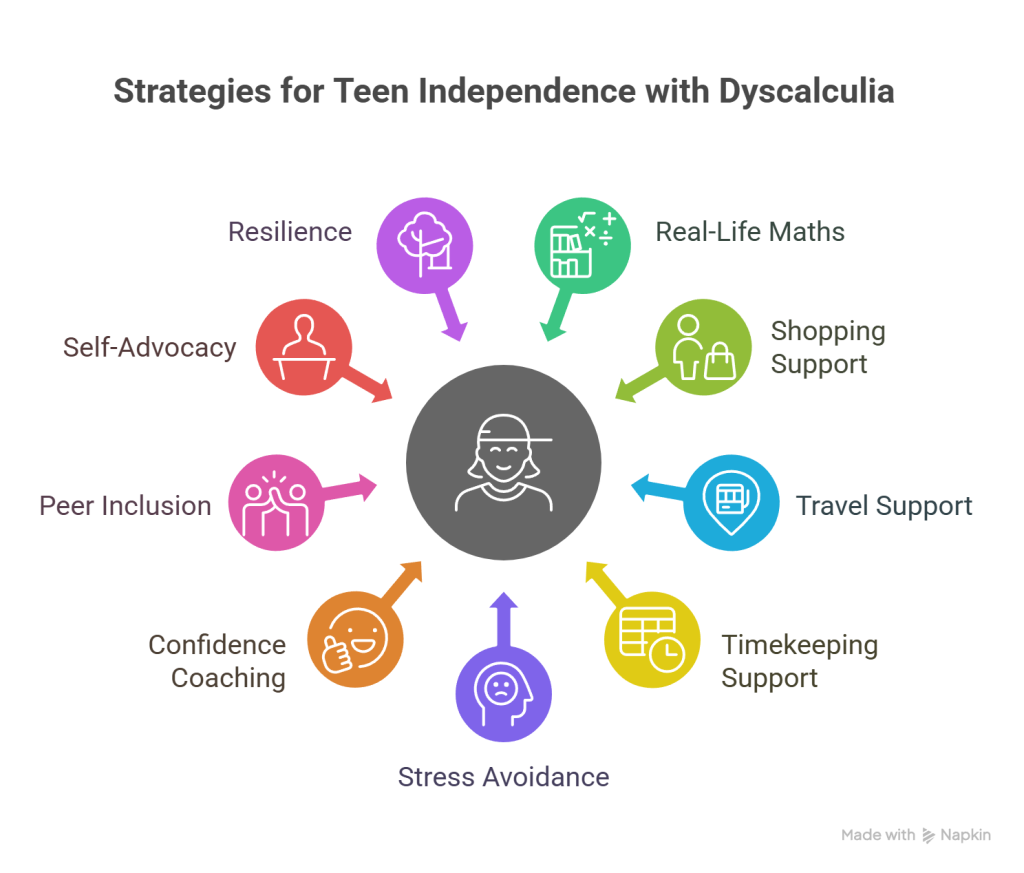
Using money, reading maps, or catching public transport can be stressful for teens with dyscalculia. This module teaches simple, real-world strategies to handle everyday maths situations with less anxiety. Teens will explore how to use technology, visuals, and step-by-step processes to approach public settings more independently—building resilience and reducing frustration in practical, meaningful ways.
On Social Media: Navigating Digital Pressure and Time Awareness
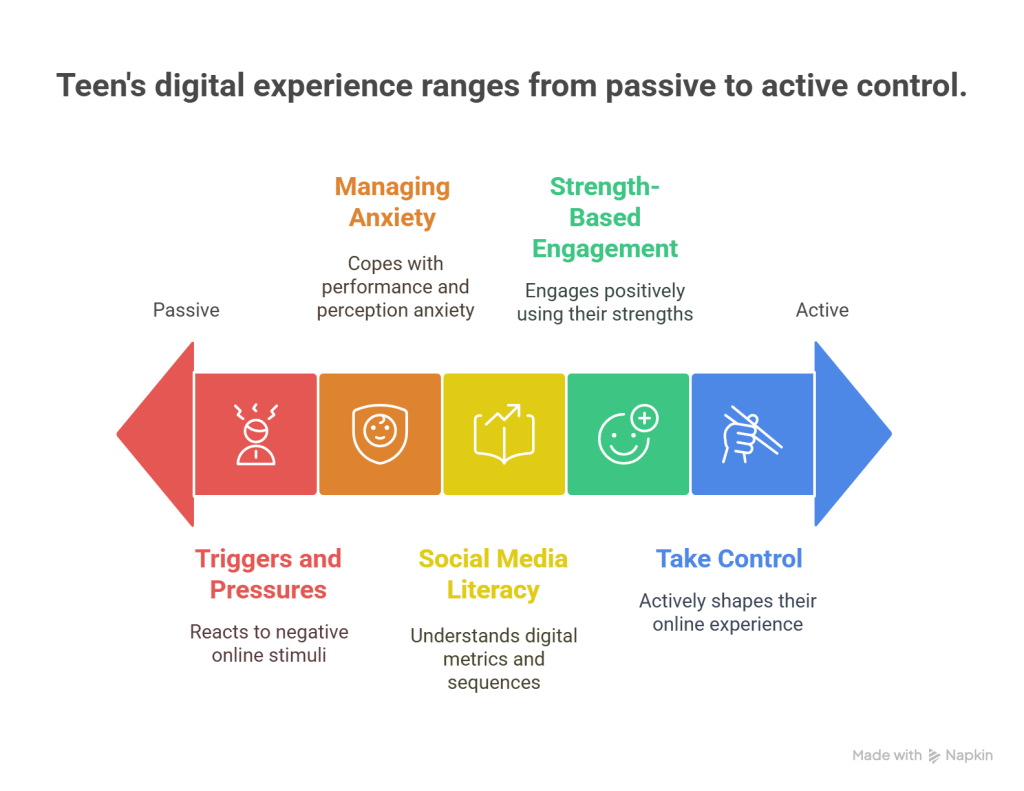
For teens, social media is a big part of daily life—but dyscalculia can complicate how they interpret data, manage time, and engage with content. This module helps teens and parents explore safe digital habits, reduce comparison stress, and build awareness around time spent online. You’ll also learn how to manage features like scores, stats, and time-based filters that can feel overwhelming for number-sensitive users.
What's Included In The Course
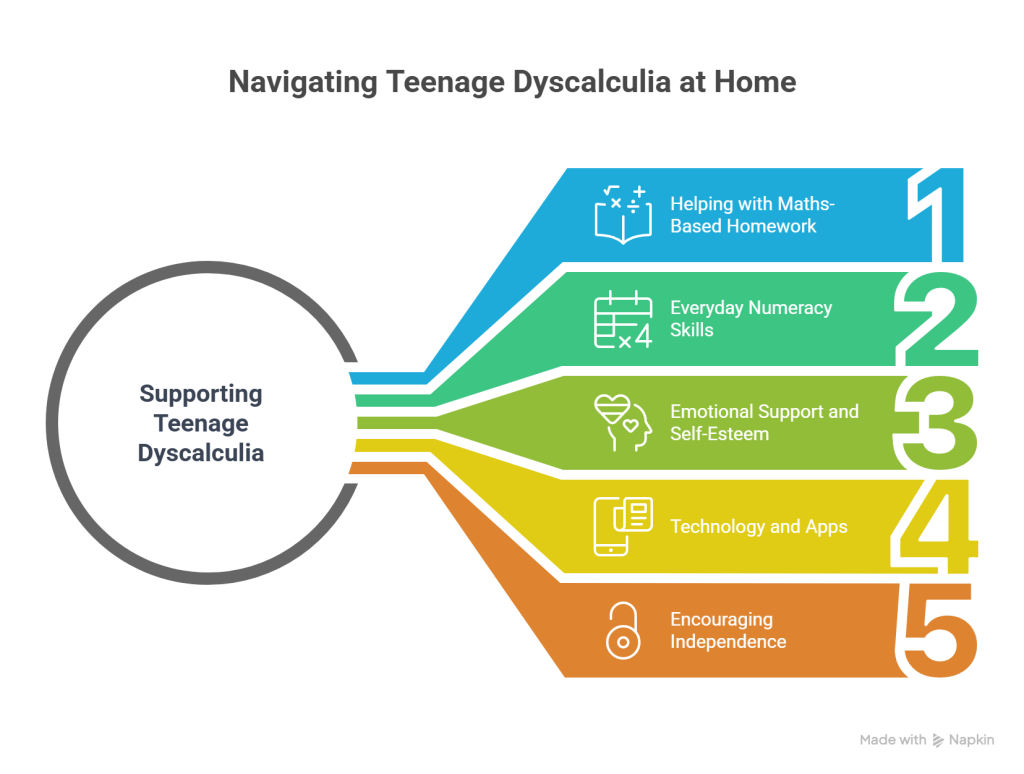
Supporting a Teenager with Dyscalculia at Home
Modules
- Teenage Dyscalculia: What It Looks Like at Home
- Helping with Maths-Based Homework and Assignments
- Everyday Numeracy: Time, Money, and Organisation
- Emotional Support and Self-Esteem Building
- Using Technology and Apps to Support Learning
- Encouraging Independence Without Pressure
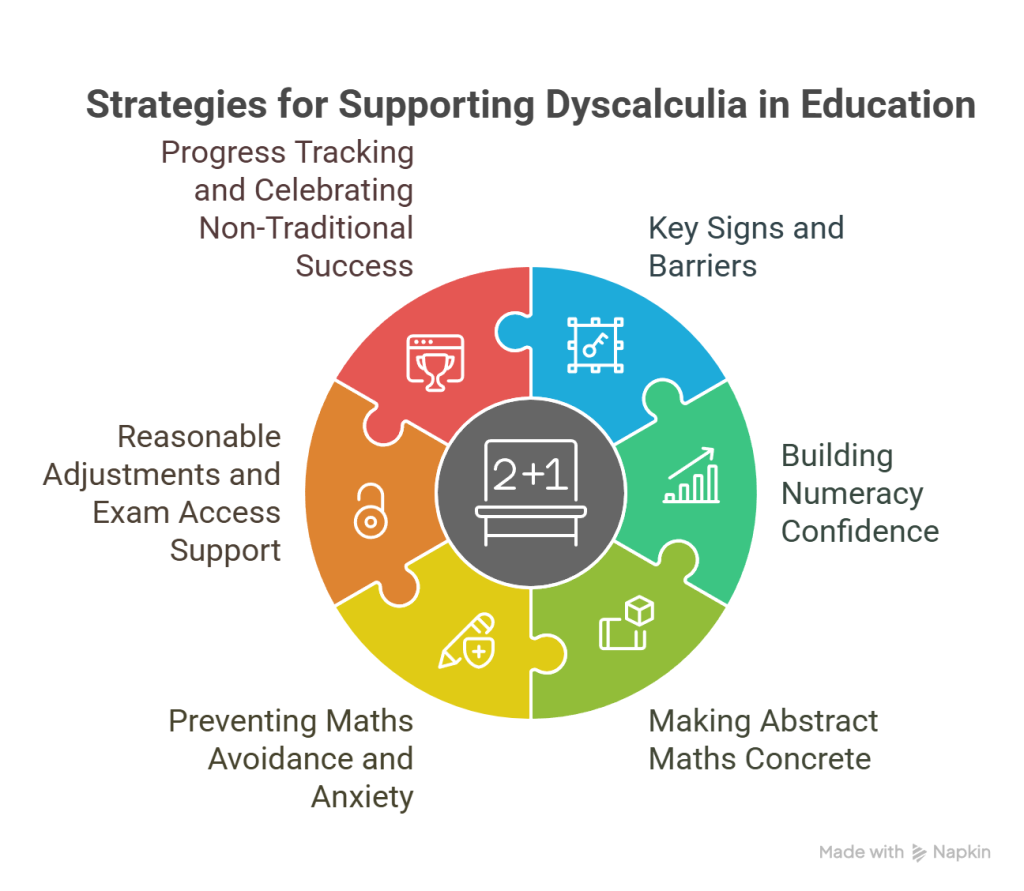
Supporting a Teenager with Dyscalculia at School
Modules
- Dyscalculia in Secondary Education: Key Signs and Barriers
- Building Numeracy Confidence with Inclusive Teaching
- Making Abstract Maths Concrete: Tools and Approaches
- Preventing Maths Avoidance and Anxiety
- Reasonable Adjustments and Exam Access Support
- Progress Tracking and Celebrating Non-Traditional Success
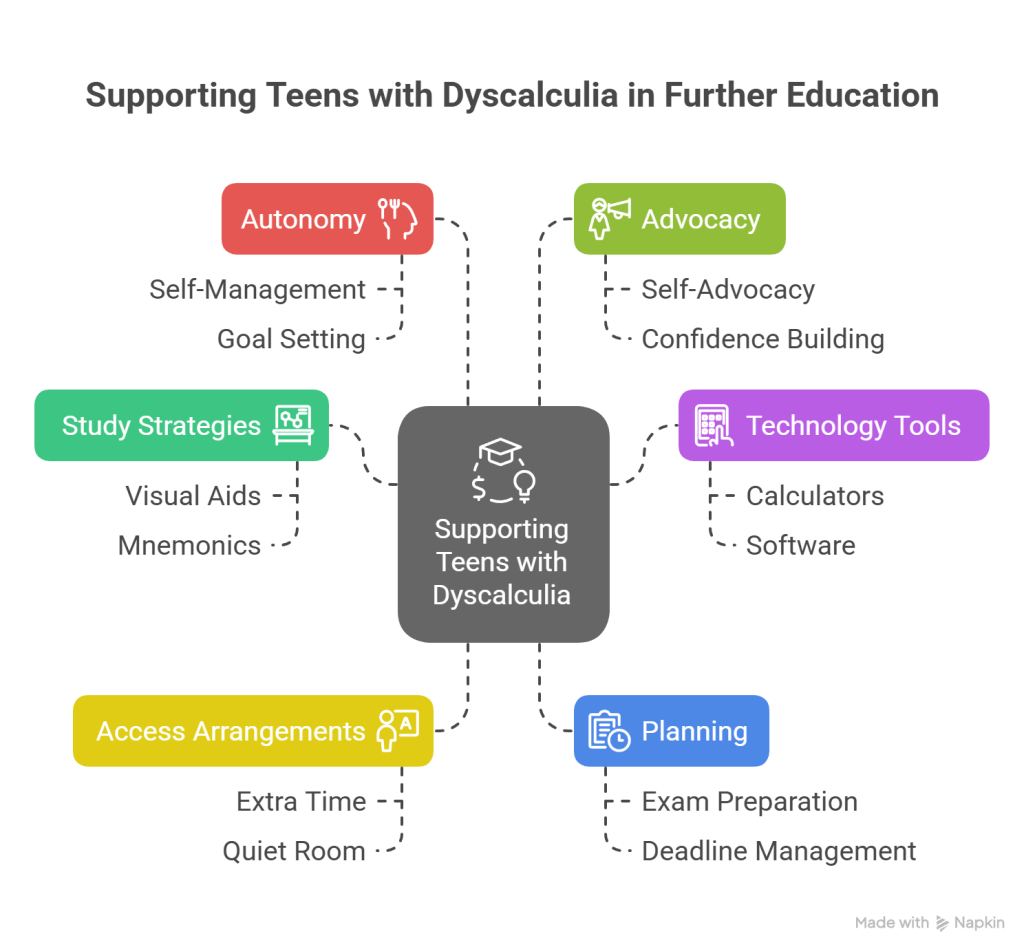
Supporting a Teenager with Dyscalculia in College
Modules
- Post-16 Learning and Dyscalculia Challenges
- Study Strategies and Technology Tools for Numeracy
- Using Access Arrangements Effectively
- Planning for Exams, Deadlines, and Future Pathways
- Building Autonomy and Executive Function
- Talking About Dyscalculia: Advocacy and Self-Belief
Supporting a Teenager with Dyscalculia in Public
Modules
- Real-Life Maths in Teen Independence
- Supporting Shopping, Travel, and Timekeeping
- Avoiding Public Stress: Prep, Practice, and Tools
- Balancing Support and Independence in Community Spaces
- Confidence Coaching and Peer Inclusion
- Promoting Public Self-Advocacy and Resilience
Supporting a Teenager with Dyscalculia 0n Social Media
Modules
- Numbers in Digital Spaces: Triggers and Pressures
- Social Media Literacy for Numeracy-Challenged Teens
- Tools to Assist with Time, Sequences, and Digital Metrics
- Managing Anxiety Around Performance and Perception
- Supporting Strength-Based Digital Engagement
- Empowering Teens to Take Control of Their Online Experience
Supporting a Teenager with Dyscalculia Toolkit
- Explainer Videos
- Downloadable Work Sheets
- Five Downloadable E Books
- Monthly Support Webinars
- Private Facebook Group
Join Us Today!!!
Your teenagers amazing potential deserves understanding and the right support. Join our course to learn practical tools that bring calm, connection, and confidence to your family.