
Designing sensory‑friendly spaces for focus and calm at home and school
Creating a sensory-friendly environment can feel overwhelming when you’re unsure where to start. Many parents and educators struggle to find simple, low-cost ways to reduce sensory overload while supporting focus and calm. In this guide, you’ll find practical steps to build spaces where everyone belongs, with advice rooted in real understanding of sensory processing differences. Ready to create a calmer space for home or school? Let’s explore how small changes make a big difference. For more ideas, visit this resource on creating sensory rooms.
Creating a Sensory-Friendly Environment

Creating comfortable spaces doesn’t have to be tough. You can start with a few small changes that make a world of difference. Let’s look at how simple tweaks can create calm, focus, and a sense of belonging.
Simple Changes for Immediate Impact
Every sensory-friendly environment begins with awareness. Start by identifying areas that cause stress. Is it noise, lighting, or clutter? Once you know, you can act. Try using soft lighting instead of harsh fluorescent bulbs. This simple switch can reduce strain and create a calmer atmosphere. Consider rearranging furniture to create open spaces, allowing for better movement and less clutter. For noise, try using rugs or curtains to absorb sound. These small adjustments lead to big changes in comfort and focus.
Inexpensive Tools and Supplies
Creating a sensory-friendly space shouldn’t break the bank. Many affordable tools can help. Think about noise-reducing headphones or fidget tools—both available in the UK. These are great for those who need focus in noisy places or have restless hands. Weighted blankets can also be an excellent addition, providing comfort and reducing anxiety. You can find these tools easily online or in local stores. They are simple, low-cost solutions that make daily life more manageable.
Sensory Audit Checklist for Home and School
A sensory audit helps identify what changes are needed. Walk through your environment and make a list of potential stressors. Consider lighting, sound, and texture. Are certain areas too bright or noisy? Do certain fabrics cause discomfort? Having a checklist ensures nothing gets overlooked. Once identified, you can prioritize changes. This proactive approach means you only make adjustments that truly enhance comfort and focus.
Tips for a Sensory-Friendly Classroom UK
Creating welcoming classrooms involves understanding diverse needs. Let’s explore strategies tailored for ADHD, autism, and dyslexia. These approaches foster inclusivity and support for all learners.
ADHD Focus Strategies
ADHD learners benefit from structured environments. Use visual timetables to outline the day, helping students know what to expect. These timetables can be colourful and engaging, capturing attention while providing clarity. Allow for movement breaks, which help students release energy and refocus. You can also incorporate fidget tools—simple objects that support concentration without distraction. Remember, small changes can drastically improve focus and engagement.
Autism Sensory Support Techniques
For students with autism, predictability and calm are key. Create quiet zones where students can retreat when overwhelmed. Use soft colours and minimal decorations to reduce visual stress. Consistent routines also offer comfort. Include visual supports, such as picture cards, to aid communication. These strategies help students feel secure, supporting their ability to learn and interact.
Dyslexia Study Space Essentials
Supporting dyslexic learners involves making text accessible. Use clear fonts and high-contrast colours on worksheets and displays. Offer audiobooks as an alternative to reading text-heavy materials. Break tasks into smaller, manageable steps to prevent overwhelm. These steps ensure that dyslexic students can engage with content confidently.
Building Calming Corners and Spaces
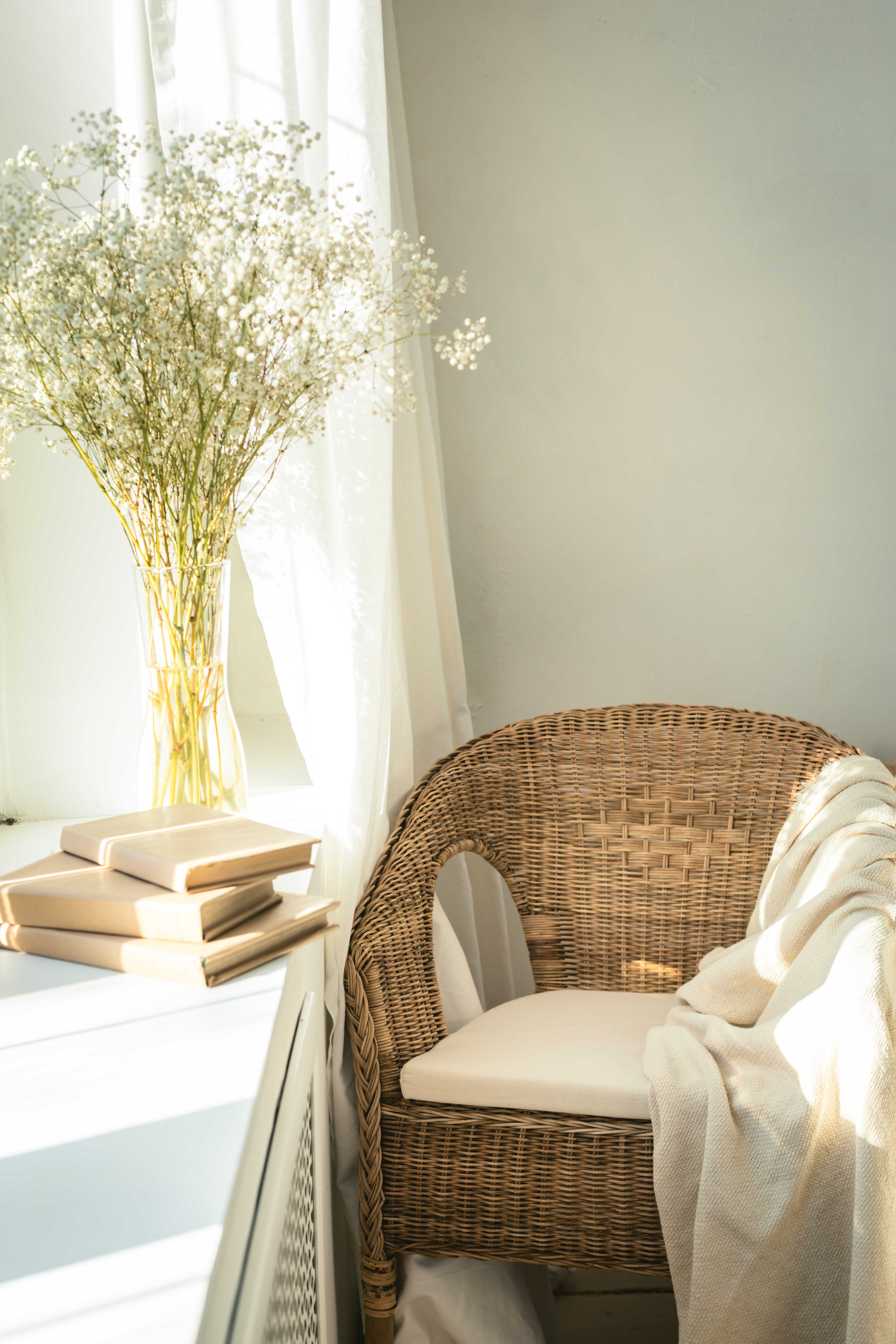
Creating calming corners can offer refuge and balance. Let’s explore how to design these spaces for all ages, helping everyone manage stress and maintain focus.
Calming Corner Ideas for All Ages
Calming corners are personal retreats. Design them with soft cushions and plush toys for comfort. Add low lighting, like fairy lights, to create a soothing ambiance. These corners should offer sensory items that are age-appropriate. For example, younger children might enjoy tactile toys while teens might prefer journals or headphones. These spaces provide a sanctuary for self-regulation and reflection.
Practical Self-Regulation Strategies
Self-regulation is crucial for managing emotions. Teach techniques like deep breathing or progressive muscle relaxation. These can be practiced in calming corners, helping individuals regain control. Provide visual aids or step-by-step guides to reinforce these techniques. Encouraging regular practice builds resilience and emotional awareness.
Visual Timetable and Routine Benefits
Visual timetables bring order to daily life. They outline tasks and events, reducing anxiety about the unknown. For students, they clarify expectations and structure time. At home, they help manage chores and activities. Visual timetables support independence and confidence, making them a valuable tool for everyone.
By implementing these strategies, you create environments where neurodivergent individuals can thrive. These spaces are not just about reducing stress but empowering everyone to be their best selves.