
Creating Your Calming Corner: A Step-by-Step Guide Using Everyday Items
Creating a calming corner doesn’t need fancy tools or extra trips to the store. With everyday items you already have, you can craft a peaceful space that honours sensory needs and celebrates neurodiversity. This guide will help you build an inclusive space where everyone belongs and feels supported. Let’s explore simple steps to bring calm and focus into your home or classroom. For more inspiration, you can check out this resource: [https://counselingfannypack.com/how-to-create-an-awesome-calming-corner-on-a-budget/].
Selecting Everyday Items

Let’s dive into the world of everyday items to craft a calming corner that feels like a warm hug. Start with the basics and you’ll soon see how these items can transform your space.
Choosing the Right Textures
Textures play a pivotal role in creating a soothing environment. Soft, plush materials can provide comfort and ease anxiety. Consider these steps:
-
Use cushions and blankets: These provide a tactile experience. Opt for materials like cotton or fleece.
-
Incorporate varied textures: Add a soft rug or a furry pillow. Each texture offers something unique.
Think about items you already own. Even a favourite jumper can become a part of this sensory haven. Most people think they need new items, but often, the perfect solution is already in your home.
Finding Soothing Colours
Colours can be powerful allies in promoting a sense of calm. They have the ability to influence mood and emotions.
-
Stick to cool tones: Shades of blue and green are known to calm and reduce stress.
-
Keep it simple: Too many colours can be overstimulating. Choose two or three shades that work well together.
Consider the room’s existing palette. This isn’t a total redesign but a gentle addition that complements your space. For more tips on colour choices, check out this guide on creating calming colours.
Arranging Your Calming Corner
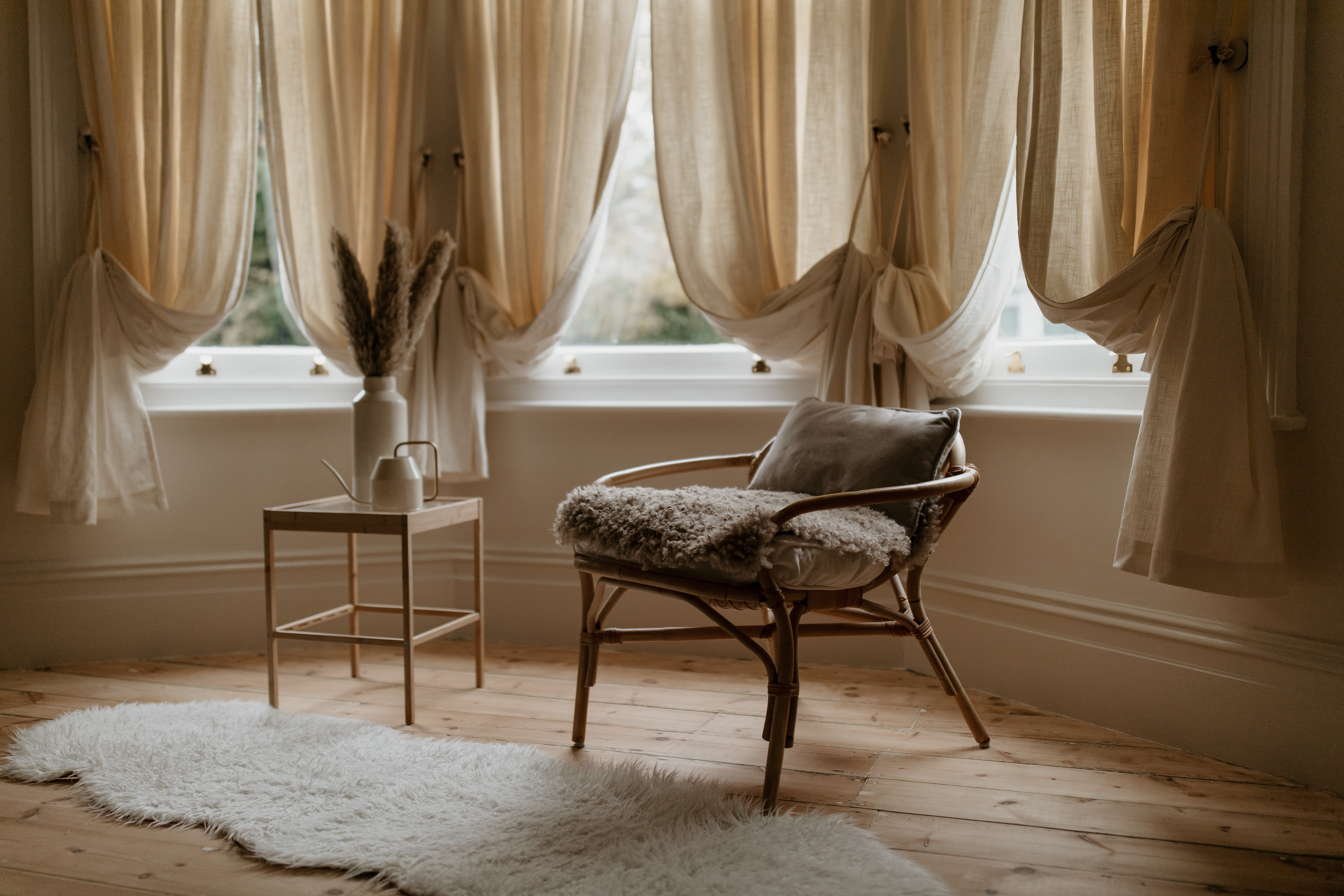
Now that you have your items, it’s time to put them together. This is where you bring your vision to life in a way that’s both functional and inviting.
Creating a Cosy Atmosphere
A cosy atmosphere can make all the difference. You want a space that invites you in and encourages relaxation.
-
Position your seating: Arrange your cushions and blankets in a corner to create a snug nook.
-
Add soft lighting: A small lamp or fairy lights can add warmth and comfort.
Imagine settling into this space after a long day. It’s your personal retreat, a place where you can recharge. The longer you wait to create this haven, the longer you’ll miss out on its benefits.
Organising Sensory Tools
Organising your tools is essential to maintaining a clutter-free environment. This ensures you always know where to find your calming aids.
-
Use baskets or boxes: Store sensory items like stress balls and fidget toys neatly.
-
Label your tools: This makes it easy for everyone to find what they need.
Creating an inclusive space means ensuring everyone feels welcome and can easily access what they need. For more ideas on organising your calming corner, visit this helpful blog.
Maintaining Your Calming Space
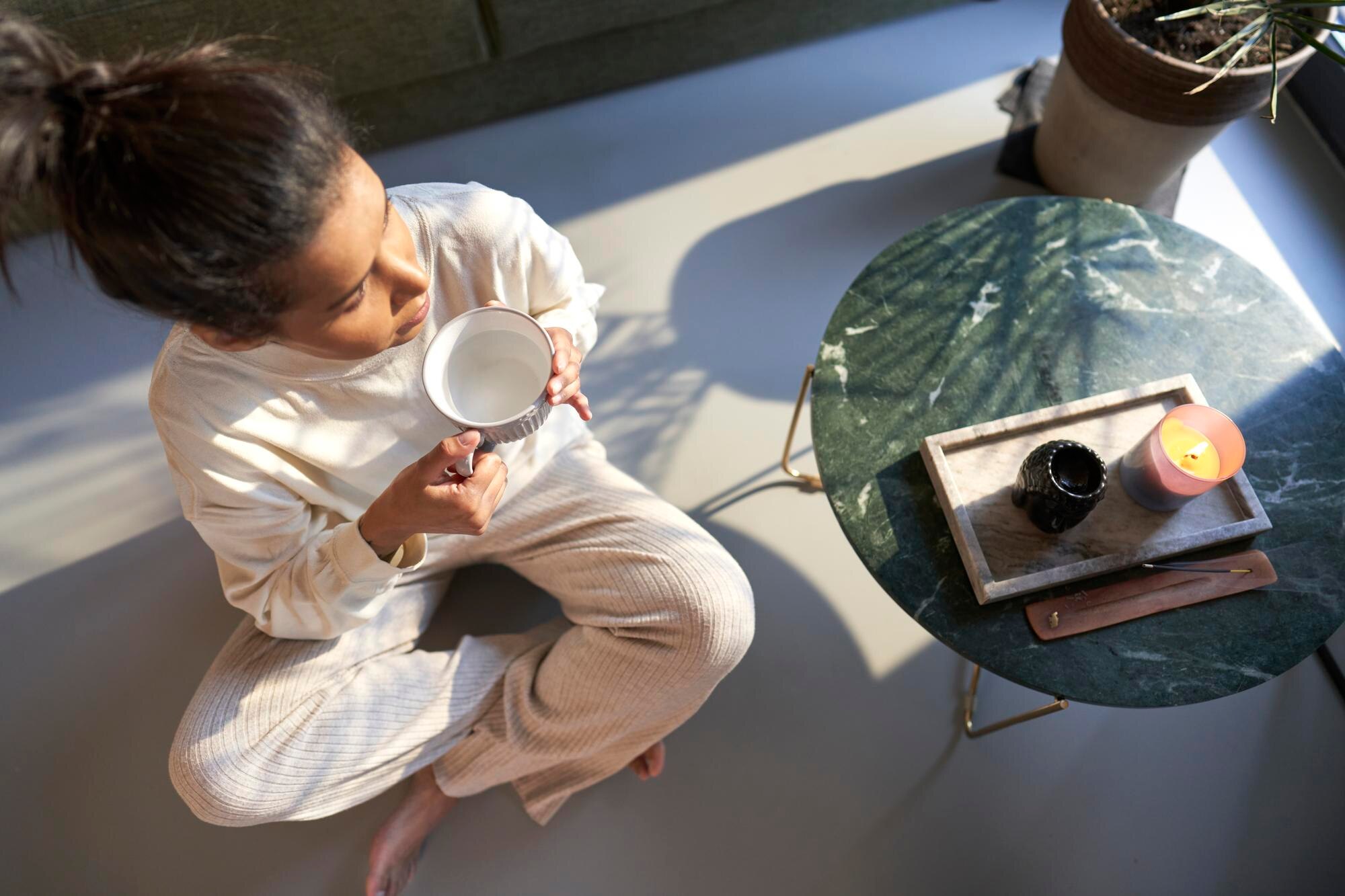
Keeping your calming corner in top shape ensures it remains a sanctuary over time. Simple maintenance can make a world of difference.
Keeping it Fresh
A fresh space is a welcoming space. It invites you in and makes it easier to relax.
-
Regularly clean your items: Wash blankets and cushions to keep them fresh.
-
Rotate sensory tools: Introducing new items can keep the space engaging.
By refreshing your space regularly, you ensure it continues to serve its purpose. It’s a small effort that pays off in the long run.
Adapting to Changing Needs
As needs change, your calming corner should evolve. This flexibility is key to maintaining its effectiveness.
-
Listen to feedback: Whether it’s from family or your own experiences, adapt accordingly.
-
Be open to change: Swap out items or adjust the setup as needed.
Most people believe once a space is set, it’s done. But adapting it based on feedback ensures it continues to meet everyone’s needs. For more adaptable ideas, check out this insightful resource.
Join our online community for more tips on creating inclusive spaces and access our expert resources for neurodivergence support. 🌟