
Creating Welcoming Classrooms: Top Inclusive Strategies for Educators
Creating classrooms where everyone belongs isn’t just a goal—it’s a necessity. Many educators want to support neurodivergent students but struggle to find clear, practical ways to do so. This guide shares inclusive strategies that help you build welcoming classrooms and a supportive learning environment for all learners. Let’s explore simple, effective steps to celebrate differences and make every student feel valued. For more insights, check out this comprehensive list of inclusive teaching strategies.
Understanding Neurodivergent Students

To create classrooms where all students thrive, we must first understand neurodivergent learners. This involves recognising diverse needs and celebrating differences.
Recognising Diverse Needs
Neurodivergent students have unique ways of thinking and learning. Each student’s needs can vary greatly. For example, a student with ADHD might find it challenging to stay focused during long lectures. Meanwhile, a student with autism might need a quiet space to recharge after sensory overload. By observing students and asking insightful questions, you can better understand their individual needs. Some students may benefit from visual aids, while others thrive with hands-on activities. It’s important to remember that understanding these needs is a continuous journey. You’ll find that an open mind and a willingness to learn from your students are your best tools.
Celebrating Differences
Differences in the classroom should be celebrated. Each brain brings its own set of strengths. One student might have an eye for detail, while another excels in creative thinking. Celebrating these differences involves highlighting what each student does well. This can boost confidence and help students see the value in their unique abilities. Share success stories of famous neurodivergent individuals to inspire your students. For example, Albert Einstein, who had dyslexia, made groundbreaking contributions to physics. By embracing and celebrating differences, you set a tone of acceptance and appreciation in your classroom.
Inclusive Teaching Techniques
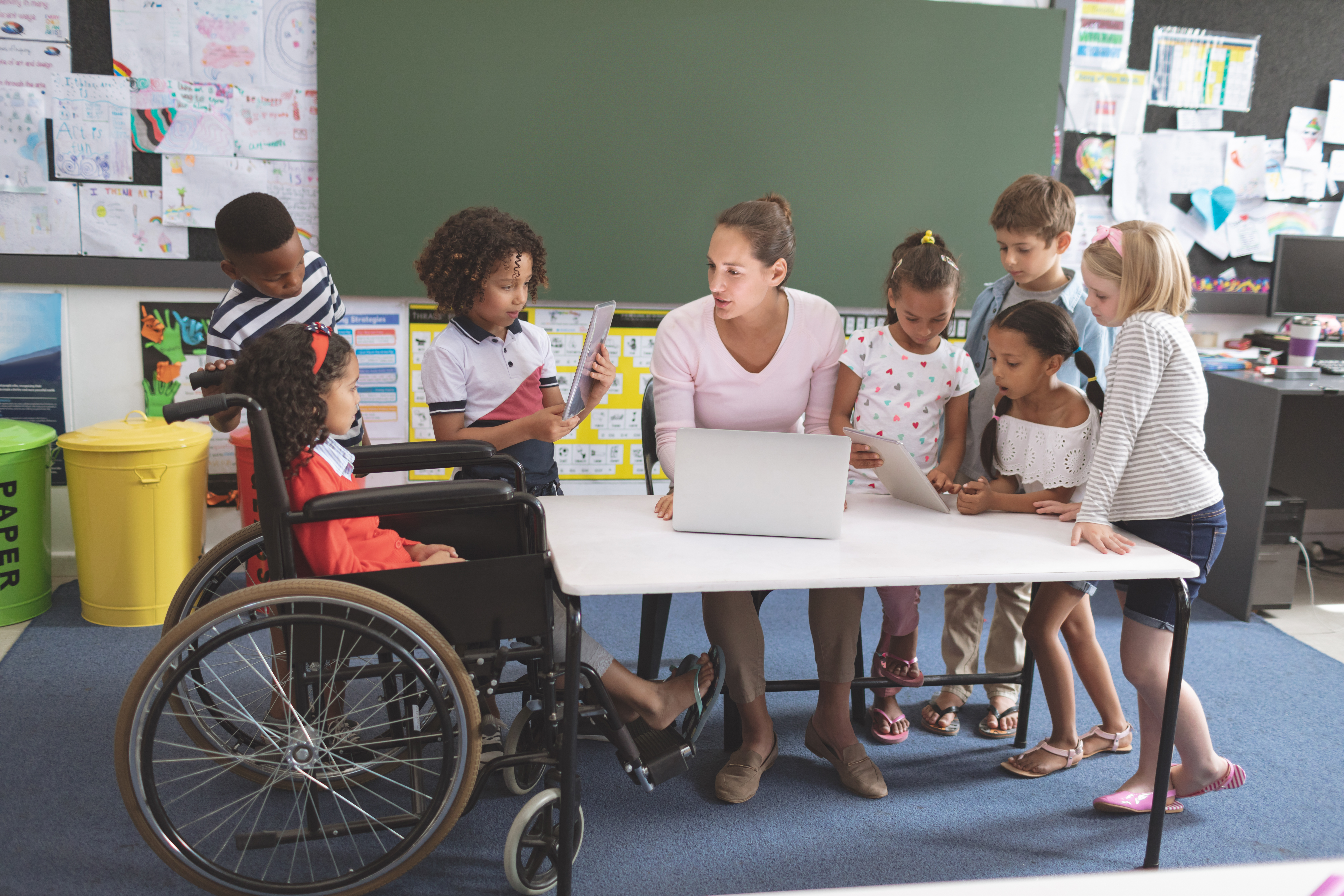
With a foundation of understanding, you can employ specific techniques to create an inclusive and supportive learning environment.
Creating a Supportive Learning Environment
A supportive environment is key to inclusive education. Start by arranging your classroom to accommodate varied needs. Provide quiet corners for those who need a break from sensory input. Ensure that your classroom is wheelchair accessible. Use a variety of teaching materials, such as videos, interactive activities, and traditional lectures. This variety caters to different learning styles. Encourage students to express their thoughts in multiple formats. This might include writing, drawing, or verbal presentations. By showing that every method of expression is valued, you create a space where all students feel comfortable participating.
Practical Strategies for Inclusive Classrooms
Implementing practical strategies can make your classroom more inclusive. Begin by setting clear expectations and routines. Consistency helps students feel secure and know what to expect. Use positive reinforcement to encourage desired behaviours. Offer choices in assignments to give students control over their learning. For example, let students choose between a written report or a creative project. Adjust your teaching pace based on the class’s needs. Some students may need more time to grasp concepts, while others might be ready to explore deeper. Incorporate peer learning, where students can learn from each other’s strengths. This fosters a collaborative spirit and mutual respect among classmates. For more on inclusive teaching strategies, visit this overview.
Building Welcoming Classrooms

Once inclusive techniques are in place, fostering a culture of belonging and open communication is essential.
Fostering a Sense of Belonging
Creating a sense of belonging is crucial for student well-being. Begin by greeting each student by name and acknowledging their presence daily. Encourage teamwork through group projects. This can help students build connections with classmates. Celebrate cultural and personal milestones, such as birthdays or achievements, to make each student feel valued. Display student work around the classroom to show that their contributions matter. Encourage students to share their stories and experiences, fostering empathy and understanding among peers. These actions communicate that everyone is a valued member of the class community.
Encouraging Open Communication
Open communication builds trust and understanding. Hold regular class meetings to discuss any issues or concerns. Encourage students to voice their thoughts respectfully. Use active listening techniques to show you value their input. Provide multiple ways for students to communicate, such as suggestion boxes or digital platforms. This ensures that even shy students have a voice. Teach conflict resolution skills to empower students to handle disagreements constructively. By maintaining open lines of communication, you create an atmosphere of mutual respect and understanding.
🌟🎓📚
By implementing these strategies, you can create a classroom environment where every student feels welcome and valued. Understanding and celebrating neurodiversity not only enriches the educational experience but also prepares students for a diverse world. For additional resources on fostering inclusivity, consider exploring these tips.