
Creating Sensory-Friendly Spaces on a Budget: Simple Steps for a More Inclusive Environment
Creating sensory-friendly environments often feels like a costly challenge. Many believe you need expensive equipment or major renovations to help neurodiverse individuals feel comfortable. The truth is, simple, affordable changes can make a big difference. In this post, you’ll find easy sensory adjustments that create inclusive spaces on a budget—so everyone belongs and feels valued. For more ideas, visit this resource.
Affordable Sensory-Friendly Options
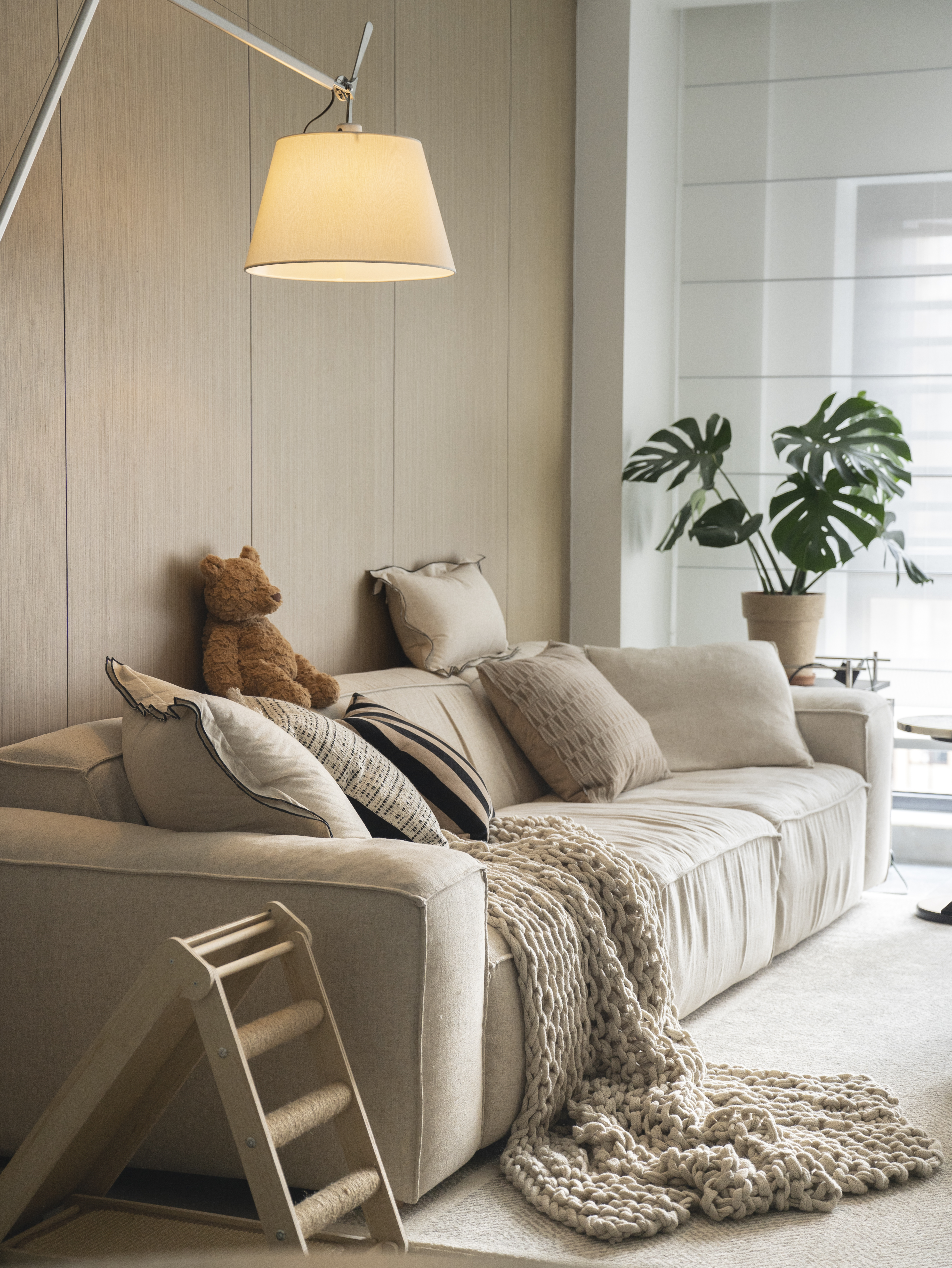
Imagine transforming your space with just a few tweaks. It’s easier than you think to make a welcoming environment without breaking the bank. Let’s dive into some budget-friendly options.
Lighting Modifications on a Budget
Lighting can dramatically alter how a space feels. Instead of expensive installations, consider using simple, cost-effective solutions.
-
Dimmer Switches: Installing a dimmer switch is a quick way to control light levels. This simple addition allows you to adjust the brightness based on the activity or the individual’s needs.
-
Soft Bulbs: Replace harsh fluorescent lights with soft, warm LED bulbs. They reduce glare and provide a calming atmosphere. They’re also energy-efficient, saving you money in the long run.
Natural light is your friend. Open curtains during the day to let in soothing sunlight. These small changes can make a big difference in creating a sensory-friendly environment.
Calming Colours for Comfort
Colours influence mood and perception. Choosing the right palette is key to creating an inclusive space.
-
Earth Tones: Soft earth tones like beige or light green create a sense of calm. They are universally soothing and help reduce stress.
-
Pastels: Pastel shades like lavender or soft blue are gentle on the eyes. They provide a peaceful backdrop, making a space feel open and inviting.
Avoid overly bright or intense colours in large areas. These can be overwhelming for some individuals. Instead, use bright colours as accents. This way, you maintain interest without creating sensory overload.
Easy Sensory Adjustments
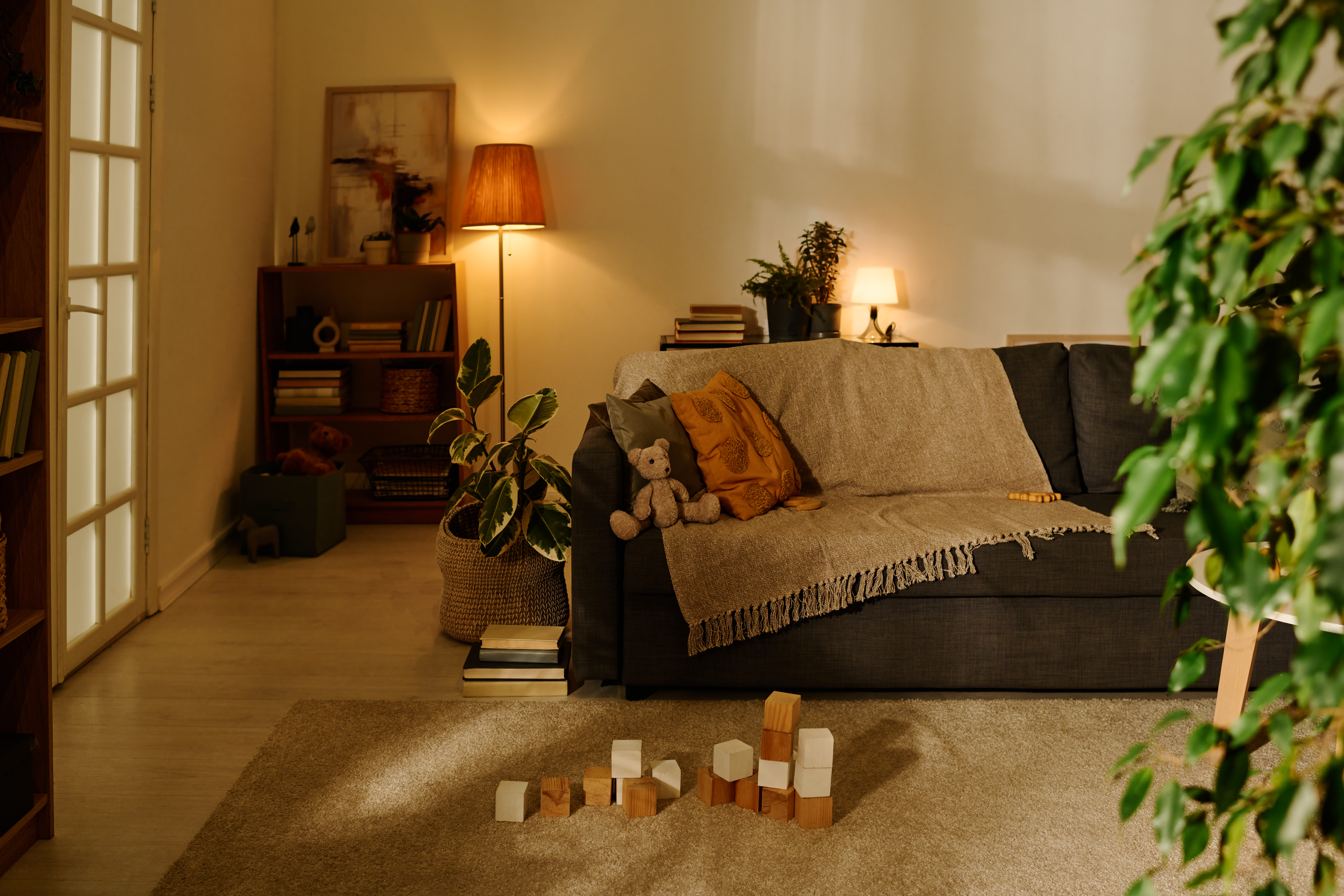
Small changes go a long way. You don’t need to overhaul your entire space to make it more accommodating.
Textures that Soothe
Textures can provide comfort and sensory input, helping individuals feel more grounded.
-
Soft Fabrics: Use soft, plush fabrics for cushions and throws. These can be comforting to touch and offer a gentle sensory experience.
-
Rugs and Mats: Adding rugs or mats can help define spaces and provide a cushioned area that feels safe and welcoming. Opt for textures like shag or wool for added comfort.
Introduce a variety of textures in your space. This diversity can help meet different sensory needs and preferences, making your environment more inclusive.
Sound Solutions without Expense
Managing sound is crucial in a sensory-friendly space. It doesn’t have to be costly.
-
Noise-Cancelling Curtains: These curtains can help absorb sound from outside, reducing distractions and creating a quieter environment.
-
Soft Music: Playing soft, instrumental music can help mask background noise and promote relaxation. Ensure the volume remains low to avoid being overwhelming.
Silence can be golden, but sometimes, a gentle soundscape is just what you need. These simple solutions can help control noise and create a more serene space.
Inclusive Spaces on a Budget
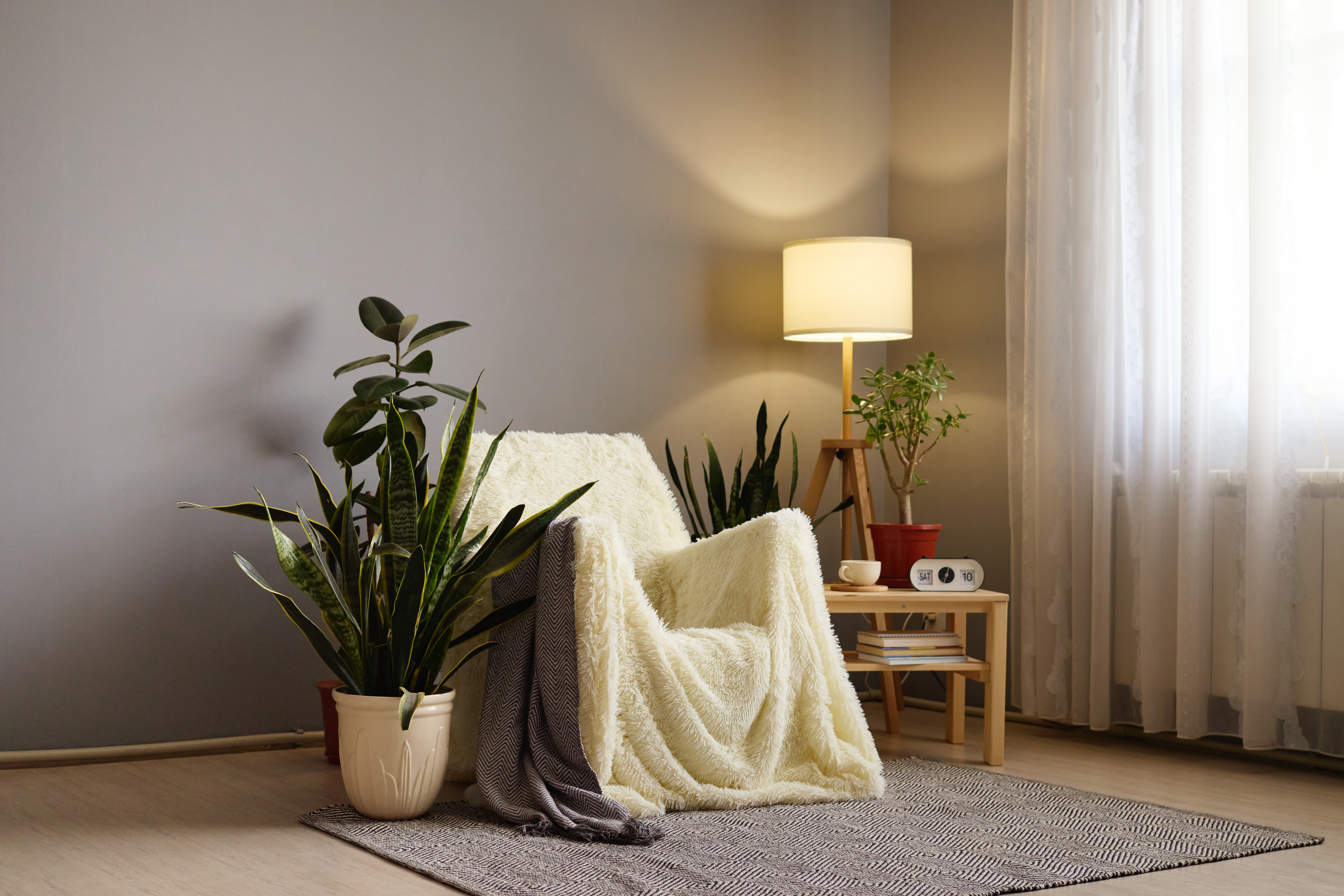
Creating inclusive spaces should be accessible to everyone. With thoughtful adjustments, it’s possible to make everyone feel welcome.
Flexible Furniture Arrangements
Furniture arrangement can impact how a space is perceived and used.
-
Moveable Furniture: Use lightweight, moveable furniture to allow for easy reconfiguration of the space. This flexibility can cater to different activities and needs.
-
Open Spaces: Keep areas open and clutter-free. This provides easy navigation and reduces feelings of being crowded or overwhelmed.
Design your space to adapt. By allowing for flexibility, you enable the space to meet diverse needs and preferences.
Creating Quiet Corners
Sometimes, a quiet corner is all you need to find peace amidst chaos.
-
Nook Spaces: Use screens or bookshelves to create small, private nooks. These can serve as a retreat for those needing a break from stimulation.
-
Comfort Items: Add pillows or bean bags to these corners to enhance comfort and make the space inviting.
Quiet corners are vital for anyone needing a moment of solitude. They provide a safe space to retreat, recharge, and return refreshed.
🌟
Creating a sensory-friendly space doesn’t have to be expensive or complicated. By focusing on simple, affordable adjustments, you can design an environment that is welcoming and inclusive for all. Embrace these changes, and you’ll see how small shifts can lead to big impacts in creating a place where everyone feels they belong.