
Creating Sensory‑Friendly Classrooms: Essential Tips for UK Educators
Creating a sensory‑friendly classroom in the UK can feel overwhelming when every learner’s needs seem so different. You want to reduce sensory overload, support emotional regulation, and help every child feel they belong. This guide shares clear, practical steps to make your classroom a calm, welcoming space where neurodiversity is celebrated. Let’s explore how simple changes can make a big difference for your whole school community. For more insights, you can visit this article.
Creating a Sensory‑Friendly Classroom
Understanding Sensory Processing Differences
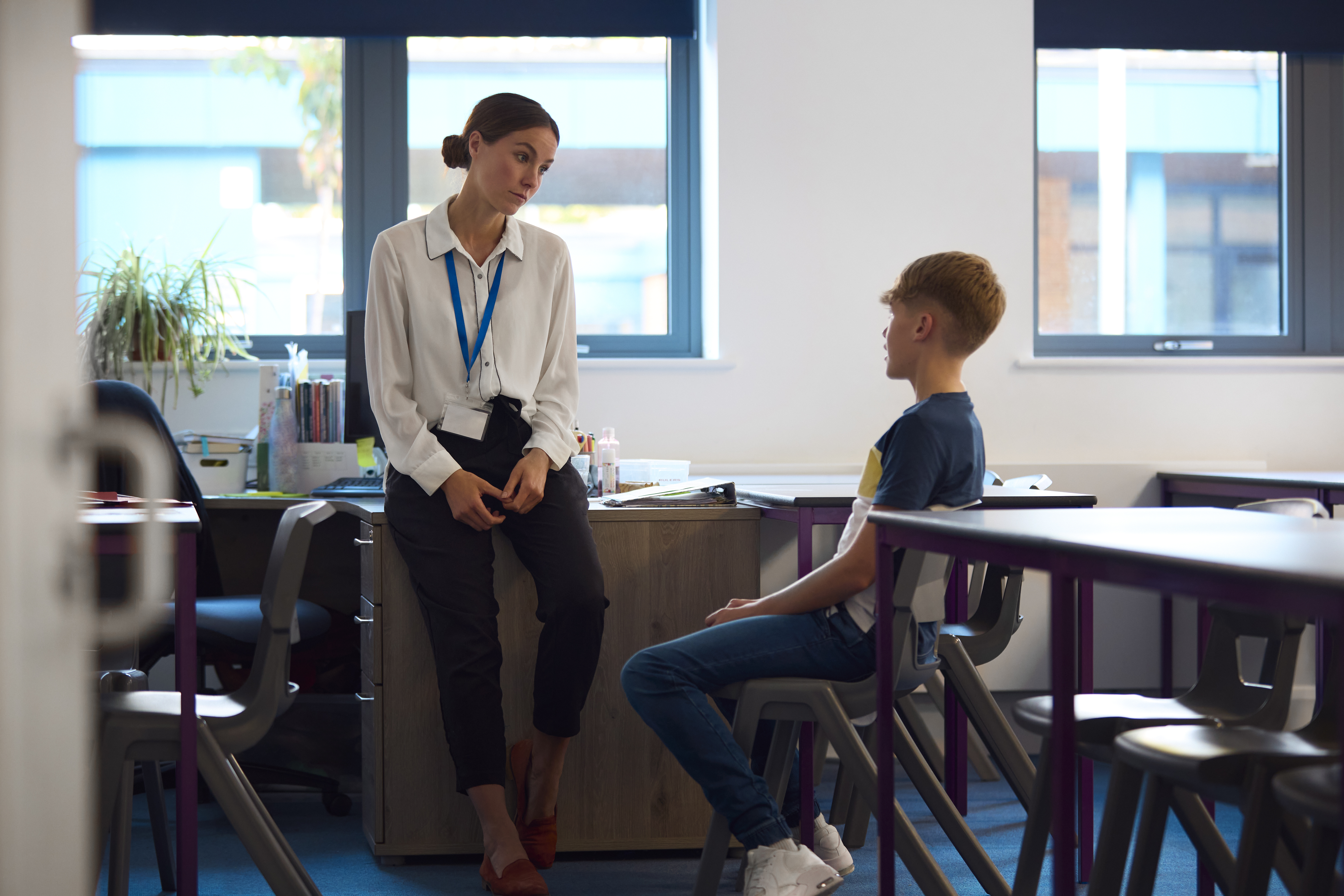
Understanding how sensory processing works is crucial in creating a supportive environment. Each child may experience sensory input differently, from sounds to light, affecting their comfort and focus. By recognising these differences, you can tailor your approach to better meet their needs.
Children react uniquely to sensory stimuli. Some might find the hum of a fluorescent light comforting, while others may find it overwhelming. It’s essential to observe these reactions and consider how they impact learning. Open conversations with your students can provide valuable insights into their sensory needs. Encourage them to share what feels comfortable or distracting in their environment. This dialogue not only builds trust but also helps you create a classroom that respects their sensory experiences.
Understanding these differences allows you to make informed adjustments. For instance, if a student is sensitive to bright lights, you might use softer lighting in a section of the classroom. Or if certain textures cause discomfort, consider alternatives that are more acceptable. The goal is to create a space where every learner feels secure and understood.
Practical Steps for Reducing Sensory Load
A sensory‑friendly classroom reduces overload, helping students focus and learn. Start with simple changes that can make a big impact on comfort and concentration.
-
Minimise Clutter: Keep surfaces clear. Too many objects can overwhelm and distract.
-
Create Quiet Zones: Designate a corner with soft seating for students needing a break.
-
Use Neutral Colours: Opt for calming shades that don’t overstimulate the senses.
-
Control Noise Levels: Use rugs and curtains to absorb sound. Consider noise‑canceling headphones for those who need them.
Implementing these steps can transform the classroom into a more inviting space. A student once shared that having a quiet corner helped them regroup when things felt too noisy. Simple adjustments like this can encourage students to self-regulate and re-engage when ready. For more practical tips, explore this guide.
Designing a Calmer Classroom Environment
Your choice of classroom design plays a significant role in managing sensory input. Thoughtful design reduces anxiety and fosters a sense of belonging.
Consider seating arrangements that allow freedom of movement. Arranging desks in a circular layout can offer a sense of inclusion, while flexible seating options can accommodate various preferences. Visuals should be intentional and meaningful, avoiding busy patterns that can distract. Incorporate natural elements like plants to promote tranquility.
Involve students in the design process. Ask for their input, and they will likely feel more connected and respected. A teacher once involved students in choosing the colours for the walls, resulting in a calmer atmosphere and greater student engagement. Your classroom can become a sanctuary for learning through these thoughtful choices.
Strategies for Inclusion and Engagement

Visual Supports for Learning Success
Visual supports can be a game-changer in making learning accessible. They provide clarity and structure, helping students process information more effectively.
Visual aids like charts, diagrams, and picture cards can support understanding. For example, using a visual timetable helps students anticipate what comes next, reducing anxiety. Colour-coded materials or thematic illustrations can simplify complex concepts, making them more relatable.
Incorporating technology, like interactive whiteboards, offers dynamic ways to engage all learners. A teacher reported that using video clips to explain science experiments resulted in higher retention rates among students. Visuals become powerful tools when used creatively and thoughtfully.
Emotional Regulation in the Classroom
Helping students manage emotions is key to a harmonious learning environment. Simple strategies can support self-regulation and emotional well-being.
Start by teaching students to identify and label their emotions. Use tools like emotion wheels or journals to express feelings. Encourage mindfulness practices, such as deep breathing or guided imagery, to calm the mind.
Providing a safe space for students to retreat when overwhelmed can also aid regulation. This might be a designated area with soft cushions and calming visuals. One student found solace in a “peace corner,” where they could unwind and regroup before returning to class activities.
Reasonable Adjustments for All Learners
Making reasonable adjustments ensures all students have equal opportunities to succeed. Tailoring your approach to individual needs promotes inclusion and respect.
Consider adjustments like extended time for assignments or alternative seating arrangements. Implementing technology, like speech-to-text software, can assist students who struggle with writing. Regular check-ins with students about what works best for them can guide your adjustments.
Most assume that adjustments require major changes, but small tweaks often make a significant difference. A student once improved performance simply by changing the type of pencil grip they used. By remaining flexible and open, you can empower students to reach their full potential.
Support and Resources for Educators

CPD for Teachers: Neurodiversity Focus
Continuing Professional Development (CPD) with a focus on neurodiversity equips teachers with the latest strategies. Educators can learn innovative approaches to support diverse learners effectively.
Participating in workshops or online courses expands your toolkit. Engage with experts in the field to gain insights into best practices. This ongoing learning helps you adapt to changing classroom dynamics and student needs.
A teacher who recently attended a neurodiversity workshop found it transformative, sharing that it changed their perspective on student behaviour and engagement. Investing in your growth benefits not only you but your entire classroom community.
Tailored Guidance from the School of Neurodiversity
The School of Neurodiversity offers personalised support to educators seeking inclusive strategies. Their expert assessments and tailored guidance empower teachers to create environments where every learner thrives.
Engage in one-on-one consultations to address specific classroom challenges. Access resources that align with your teaching goals and student needs. The school’s emphasis on understanding and empathy ensures you feel supported throughout the process.
Collaborating with the School of Neurodiversity means joining a community dedicated to celebrating differences and fostering inclusion. Explore more about their offerings at this link.
Practical Tools: Sensory Toolkit for Teachers
Equipping your classroom with a sensory toolkit offers tangible support for managing sensory needs. These tools can transform the learning experience for both students and teachers.
Include items like fidget spinners, stress balls, and noise-reducing headphones. These simple tools can help students focus and calm their minds. Sensory bins with various textures can also engage students and support tactile exploration.
A teacher shared that after introducing a sensory toolkit, students became more attentive and less anxious during lessons. Providing these resources demonstrates your commitment to a supportive and inclusive environment.
Creating a sensory‑friendly classroom doesn’t have to be daunting. With practical steps and resources, you can foster a space where every student feels valued and understood. As you implement these strategies, you’ll see a positive shift in both engagement and learning outcomes, building a community where everyone belongs, and thrives.