
Creating Inclusive Classrooms: Top Tips for Educators
Creating inclusive classrooms isn’t just a goal—it’s a necessity for neurodiverse learners to feel they truly belong. Yet, many educators struggle with how to make their teaching spaces welcoming and adaptable without overwhelming themselves. This post shares clear, practical educational strategies that fit real classrooms and real lives. Keep reading to find inclusive education tips that celebrate differences and empower every student to shine. For more ideas, check out this link.
Fostering Inclusive Classrooms

Creating a space where all students feel valued starts with understanding. Dive into the world of neurodiverse learners and learn how to celebrate their unique strengths.
Understanding Neurodiverse Learners
Every student brings their own way of thinking to the classroom. Neurodiversity includes conditions like ADHD, autism, and dyslexia. These aren’t just labels; they’re keys to understanding how different brains work. For instance, a student with ADHD might excel in a fast-paced project but struggle with long lectures. Recognising these differences helps you tailor your teaching to meet varied needs.
You don’t need to be an expert to support neurodiverse students. Simple steps like offering varied ways to complete assignments or allowing movement breaks can make a world of difference. These strategies not only help neurodiverse students but enrich learning for everyone.
Celebrating Differences in the Classroom
The classroom should be a place where every student feels celebrated. Embrace the unique talents each learner brings. Some might excel in art while others shine in problem-solving. Recognising these talents creates a more inclusive environment.
One way to celebrate differences is through projects that allow students to showcase their strengths. This not only boosts their confidence but also teaches peers to appreciate diverse abilities. Most people think differences are challenges, but in your classroom, they can become assets.
Practical Educational Strategies

Now that you understand the importance of inclusion, let’s explore some strategies to make your classroom more adaptable and welcoming. Start with these actionable ideas to transform your teaching methods and environment.
Adapting Teaching Methods
A flexible teaching approach can make a huge impact. For example, try using both visual and auditory materials in your lessons. This caters to different learning styles and keeps students engaged.
Consider incorporating technology, like tablets or interactive boards, to enhance learning. These tools can help students who struggle with traditional methods. Remember, the goal is to make learning accessible to everyone.
For more extensive strategies, explore these tips.
Creating a Welcoming Environment
A welcoming classroom environment is crucial for student success. Simple changes, like arranging desks in a circle or using bright colours, can make the space more inviting. A warm environment encourages students to participate and express themselves.
Incorporate elements of social-emotional learning to support all students. This fosters a sense of belonging and improves focus. For additional ideas, check out these tools.
Building Classroom Adaptability
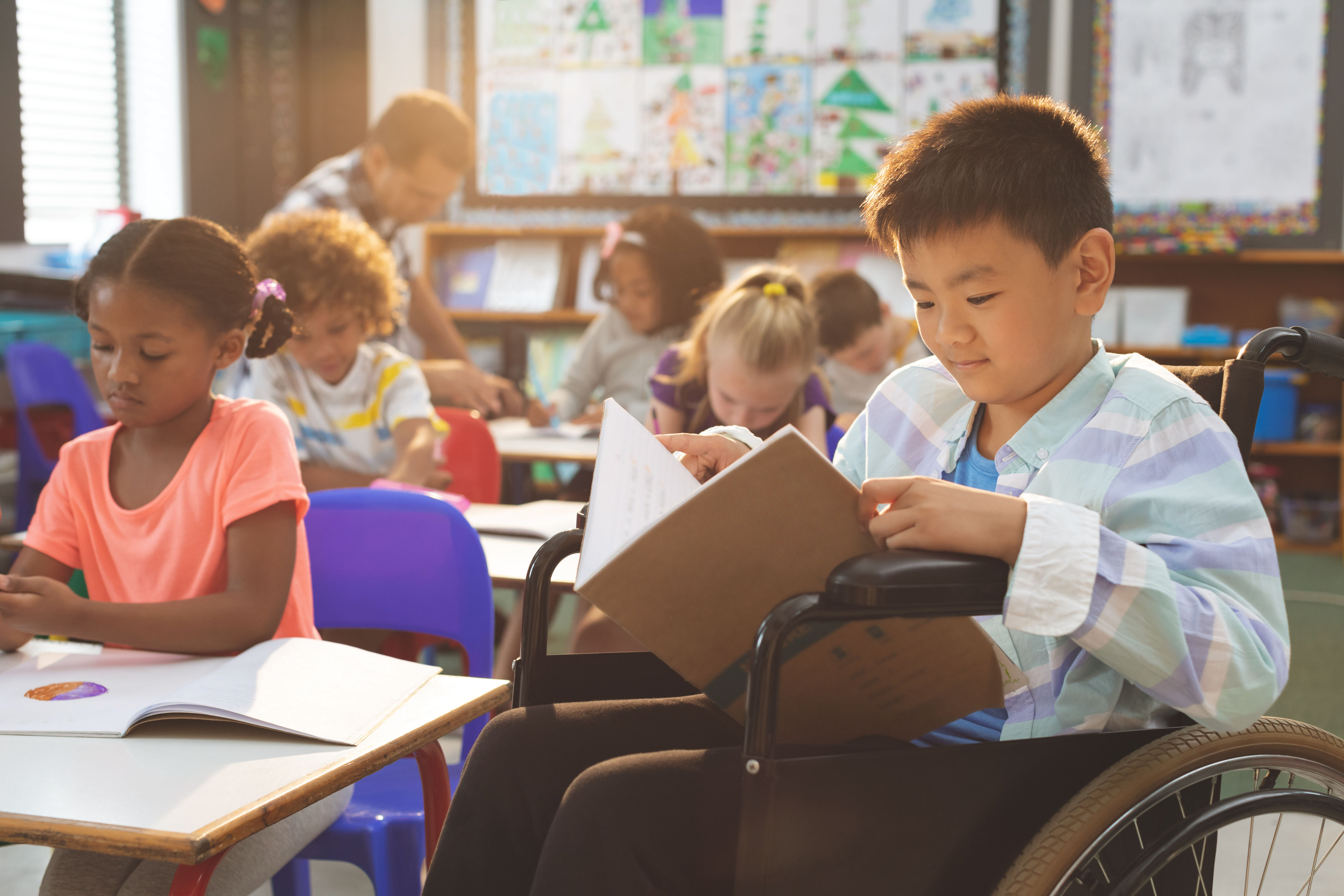
Creating a classroom that adapts to students’ needs involves more than just physical space. It’s about fostering communication and flexibility.
Flexible Learning Spaces
A flexible classroom layout can accommodate different learning activities. Consider movable furniture that allows students to work in groups or independently. This setup encourages collaboration and independence, catering to various learning preferences.
Creating areas for quiet work and active projects helps students choose what works best for them. The longer you wait to make these changes, the more potential you might miss out on. Explore more ideas.
Encouraging Open Communication
Open communication is key to understanding student needs. Regularly check in with students to see how they’re doing. This helps build trust and ensures you’re meeting their needs.
Encourage students to express their feelings and thoughts about their learning experience. This feedback can guide you in making necessary adjustments. Most people assume teachers know their students’ needs, but active listening reveals much more.
🌟 Sign up for our workshops and join a community dedicated to inclusive education! 🌟
By incorporating these strategies, you’re not only improving your teaching but also creating a community where all students can thrive. Your efforts in fostering an inclusive and adaptable classroom will have lasting impacts on your students’ lives.