
Creating Calm: The Transformative Power of Small Sensory Changes for Your Child

Small sensory changes like lighting, sounds, and textures ease challenges for neurodivergent children. Tailored strategies, routines, and supportive environments foster calm and well-being at home.
Embracing Neurodiversity: Building Cultures that Celebrate Diverse Minds

The document highlights fostering inclusive cultures in schools and workplaces by embracing neurodiversity, supporting diverse cognitive styles, offering practical accommodations, and empowering neurodivergent advocacy.
Creating Sensory-Friendly Spaces: A Path to Wellbeing for Neurodivergent Individuals
Creating sensory-friendly spaces reduces overload for neurodivergent individuals, enhancing wellbeing, focus, and inclusion through simple home, classroom, and community adaptations.
Empowering Parents: Nurturing Resilience in Your Neurodivergent Child

This guide empowers parents to nurture resilience in neurodivergent children through understanding, daily inclusive strategies, emotional growth at home, and community support, celebrating each child’s unique strengths.
Understanding Neurodiversity: Embracing Differences to Foster Belonging

Understanding neurodiversity means valuing diverse minds to foster inclusion, belonging, and empowerment through supportive environments, practical strategies, and collaboration among families, educators, and communities.
Understanding Emotional Regulation: Simple Steps to Support Your Child’s Feelings
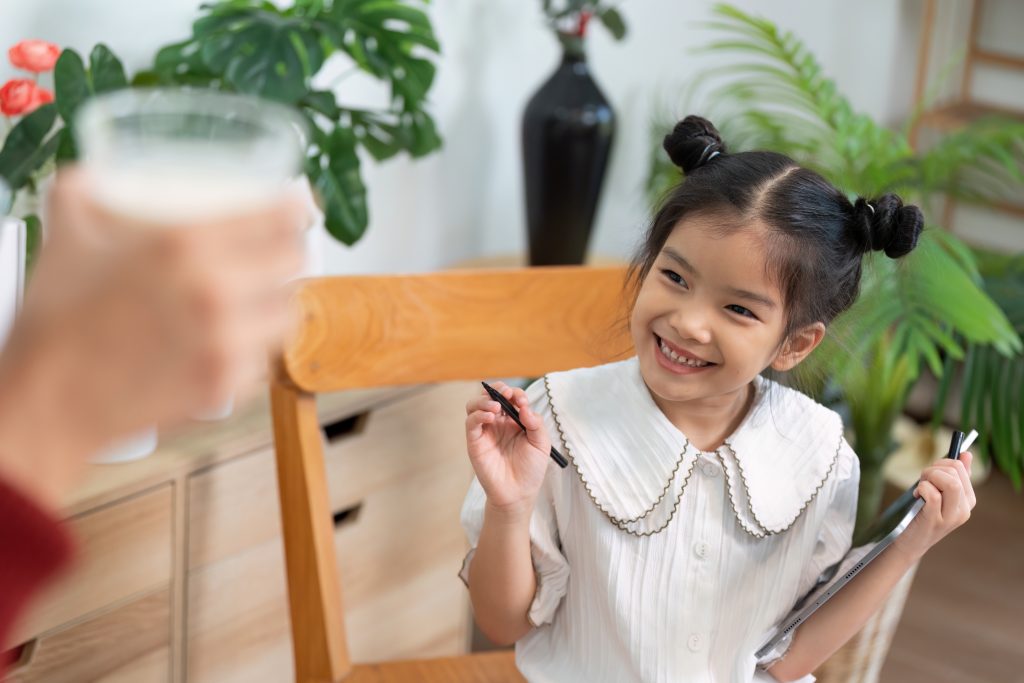
Guide offers parental strategies to support neurodivergent children’s emotional regulation: recognizing feelings, creating safe spaces, encouraging communication, using visual aids, and teaching calming techniques.
Crafting Simple Visual Supports at Home to Enhance Learning
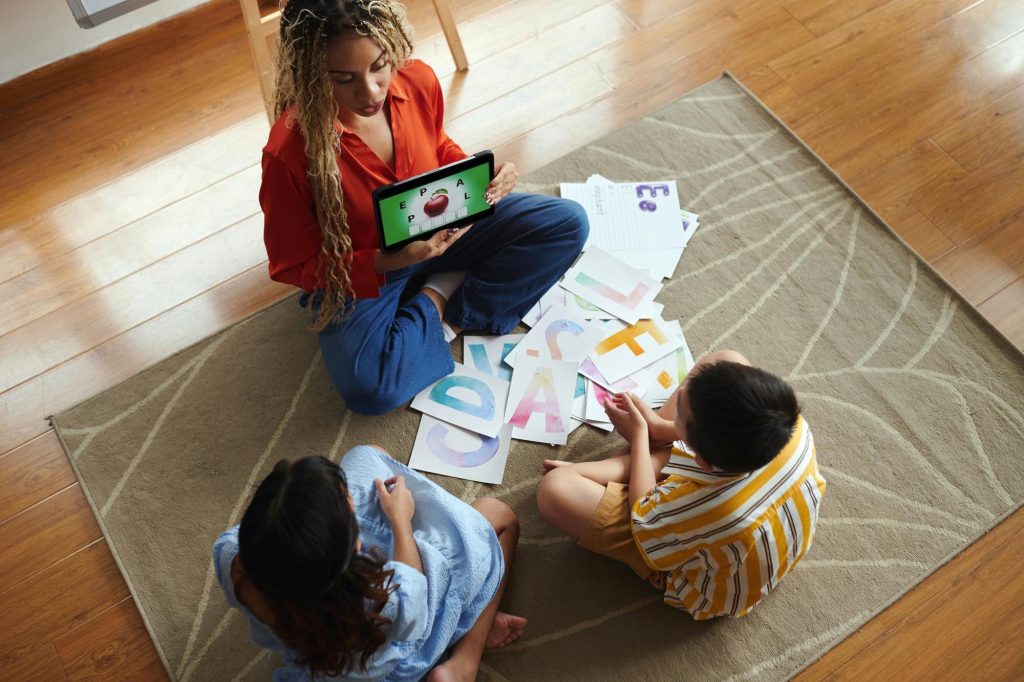
This guide offers simple DIY visual supports to enhance learning for neurodivergent children at home, promoting inclusivity, empowerment, and community through personalized tools and shared resources.
Empowering Teens to Self-Advocate with Confidence and Clarity

This guide helps teens, especially neurodivergent ones, build confidence and communication skills for self-advocacy through practical strategies, role-playing, and supportive environments.
Creating Inclusive Learning Environments: Essential Tips for Educators
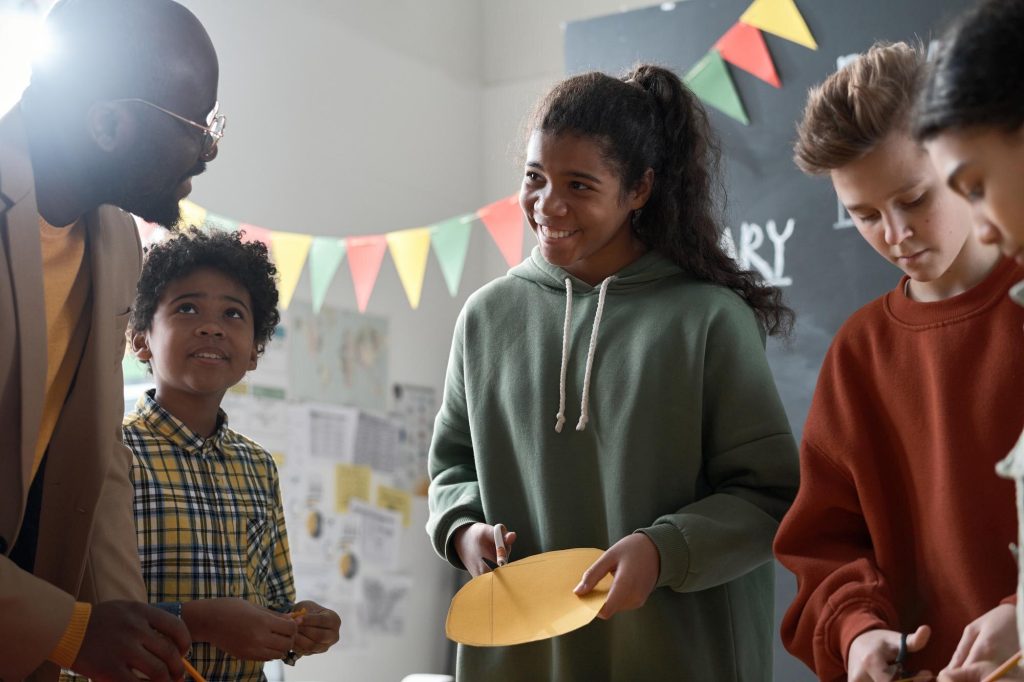
This guide highlights strategies for creating inclusive classrooms by recognizing neurodiverse strengths, fostering belonging, using flexible teaching methods, effective communication, and accessing professional resources.
Creating Inclusive Classrooms: Empowering Tools and Techniques for Educators
This guide offers tools and techniques—assistive tech, visual aids, personalized plans, peer support—to create inclusive classrooms that empower neurodiverse students and foster a safe, supportive environment.