
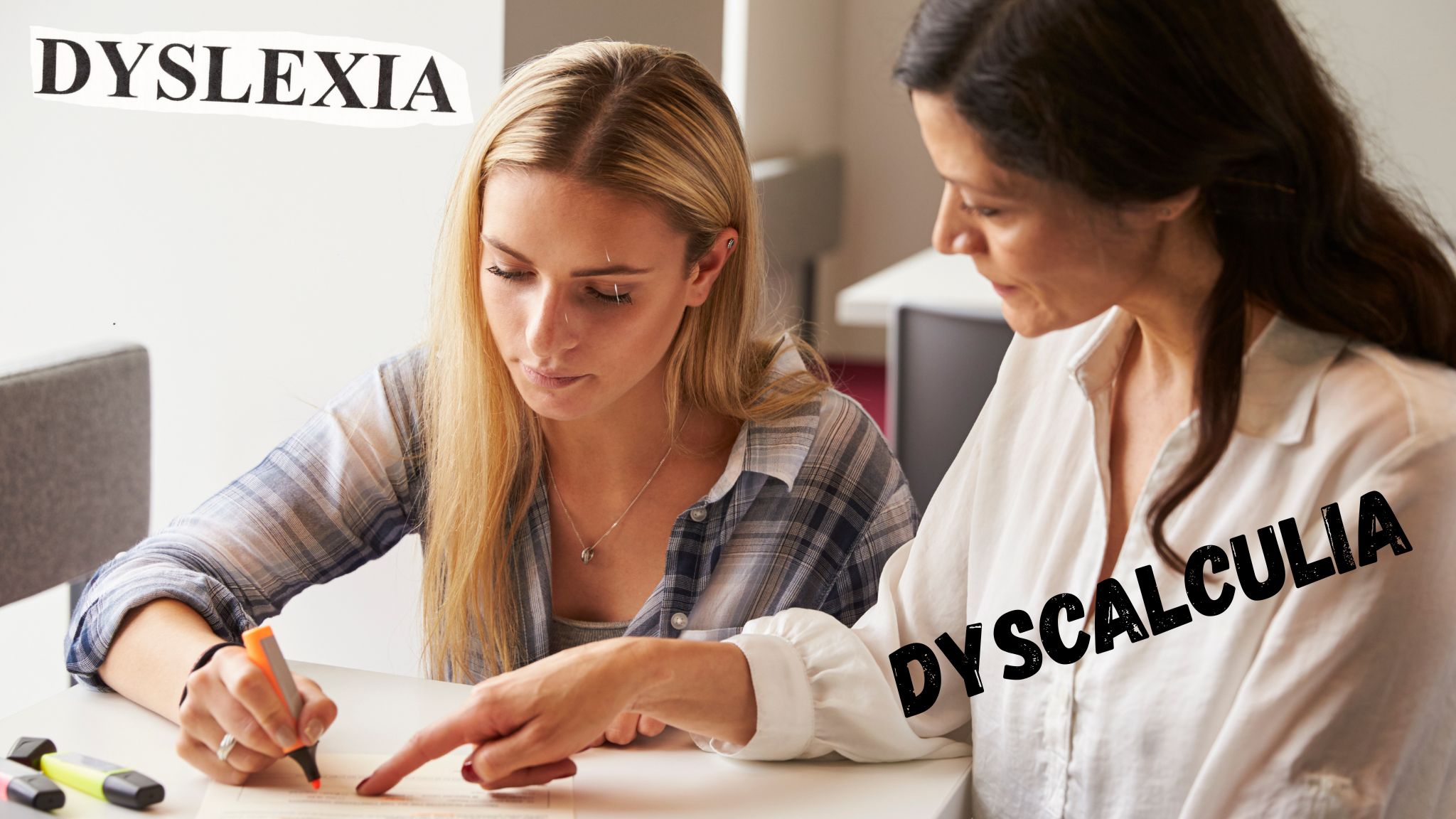
Unlocking Support: Can You Claim PIP for Dyslexia and Dyscalculia in the UK?
Navigating the world of benefits can be daunting, especially when trying to understand if you can claim Personal Independence Payment (PIP) for conditions such as dyslexia and dyscalculia. These learning difficulties affect millions in the UK, often leading to confusion about eligibility for financial support.
Individuals with dyslexia may struggle with reading and writing, while those with dyscalculia face challenges with numbers and calculations. Despite these hurdles, many are unaware that they may be eligible for vital support to help manage their daily lives.
This article examines the specifics of PIP and explores whether those with dyslexia and dyscalculia can access this essential assistance. We’ll look at the criteria, the application process, and your rights, so that you can make informed decisions about your support options.
Understanding PIP: What is Personal Independence Payment?
Personal Independence Payment (PIP) is a benefit provided by the UK government to support individuals with long-term health conditions or disabilities. It is designed to help cover the additional costs of managing these conditions and is available to eligible individuals aged 16 to State Pension age.
PIP is divided into two components: daily living and mobility. Each has two rates—standard and enhanced—depending on the severity of the individual’s condition and the level of support required.
The daily living component helps with everyday activities such as dressing, cooking and personal care.
The mobility component supports those who have difficulty getting around, whether due to physical or cognitive impairments.
Unlike some other benefits, PIP is not means-tested. It is not affected by income or savings, making it accessible to a wide range of people.
Claiming PIP involves an assessment carried out by a healthcare professional, who evaluates the impact of a person’s condition on their daily life. The assessment is crucial in determining eligibility and the rate of support awarded.
Overview of Dyslexia and Dyscalculia: Definitions and Symptoms
Dyslexia is primarily associated with difficulties in reading, writing and spelling. Individuals may struggle to decode words, which affects reading fluency and comprehension. Problems with phonological processing (breaking words down into sounds) are also common.
Dyscalculia, on the other hand, involves difficulties with numbers and mathematical concepts. Those affected may struggle with basic arithmetic, sequencing numbers, or understanding mathematical symbols. Everyday tasks such as budgeting, telling the time and measuring quantities can become significant challenges.
Both conditions vary in severity. Some people experience mild difficulties, while others are more severely affected, impacting not only education but also employment, independence and mental health. Early diagnosis, targeted teaching and assistive technology can make a substantial difference.
Eligibility Criteria for PIP Claims
To qualify for PIP, applicants must:
Have a long-term condition or disability affecting daily living or mobility.
Have experienced these difficulties for at least three months.
Expect the difficulties to continue for at least nine more months.
For people with dyslexia and dyscalculia, the focus is on how the conditions affect daily life, rather than the diagnosis alone.
Examples include:
Dyslexia: difficulty understanding written instructions, managing correspondence, or processing complex written information.
Dyscalculia: problems with handling money, paying bills, or managing tasks requiring measurement or calculation.
The assessment looks at areas such as communication, cognitive ability, planning and following journeys, and whether support or supervision is needed.
How Dyslexia and Dyscalculia Affect Daily Life
Living with these conditions can present significant challenges:
Dyslexia: Reading a menu, following written instructions or composing an email can take much longer and may lead to avoidance of tasks.
Dyscalculia: Managing finances, shopping, cooking with measurements, or arriving on time for appointments can all be stressful.
These difficulties can lead to a reliance on others, reduced independence and lower self-confidence. Socially, challenges with reading, writing or numbers can create barriers to communication, participation and employment opportunities.
The PIP Assessment Process: What to Expect
The process usually involves:
Completing the PIP claim form – detailing how your condition affects daily life.
An assessment with a healthcare professional – often face-to-face, sometimes by phone or video. They will ask questions and may carry out simple tests.
A report prepared for the DWP – the Department for Work and Pensions uses this to decide whether you qualify for PIP and at what rate.
If you disagree with the decision, you can request a mandatory reconsideration and, if necessary, appeal to an independent tribunal.
Gathering Evidence for Your Claim
Strong evidence can make a big difference. Useful sources include:
Medical reports – from GPs, psychologists or specialists, showing diagnosis, symptoms and treatment.
Educational assessments – from schools, colleges or learning specialists, outlining difficulties and support needs.
Statements from professionals – such as teachers, tutors or occupational therapists, describing the impact on daily life.
Comprehensive evidence helps demonstrate how dyslexia and dyscalculia affect independence and why support is necessary.
Common Challenges When Claiming PIP
Lack of understanding: Assessors may underestimate the impact of learning difficulties, seeing them as purely educational issues.
Variability of symptoms: Dyslexia and dyscalculia affect people differently, making standard assessments difficult.
Limited documentation: Some claimants may not have detailed medical or educational records, particularly if they were diagnosed late.
Preparation and detailed evidence can help overcome these challenges.
Success Stories
Many people with dyslexia and dyscalculia have successfully claimed PIP.
Sarah, who has severe dyslexia, gathered detailed evidence with the help of her doctor and psychologist. She was awarded the enhanced rate of daily living, which enabled her to access specialist tutoring and assistive technology.
James, who has dyscalculia, provided evidence from his occupational therapist showing his struggles with money management and timekeeping. He was awarded the standard rate of daily living, helping him fund tools and services for independence.
These examples highlight the importance of persistence, preparation and support.
Additional Support Resources
Beyond PIP, there are other resources:
British Dyslexia Association (BDA) – information, advocacy, assessments and support.
Dyscalculia Services – specialist assessments, tutoring and resources for numerical difficulties.
Assistive technology – tools such as text-to-speech, speech recognition, and apps to support literacy and numeracy.
Combining financial support with practical tools and professional guidance offers the best outcome.
Conclusion: Navigating the PIP Claim Process
Applying for PIP with dyslexia or dyscalculia can be challenging, but it is possible with preparation and persistence. Understanding the criteria, gathering strong evidence and learning from others’ experiences can make the process smoother.
Both conditions can significantly affect independence, and support is available. By accessing PIP and other resources, individuals can improve their quality of life and confidence in managing daily challenges.