
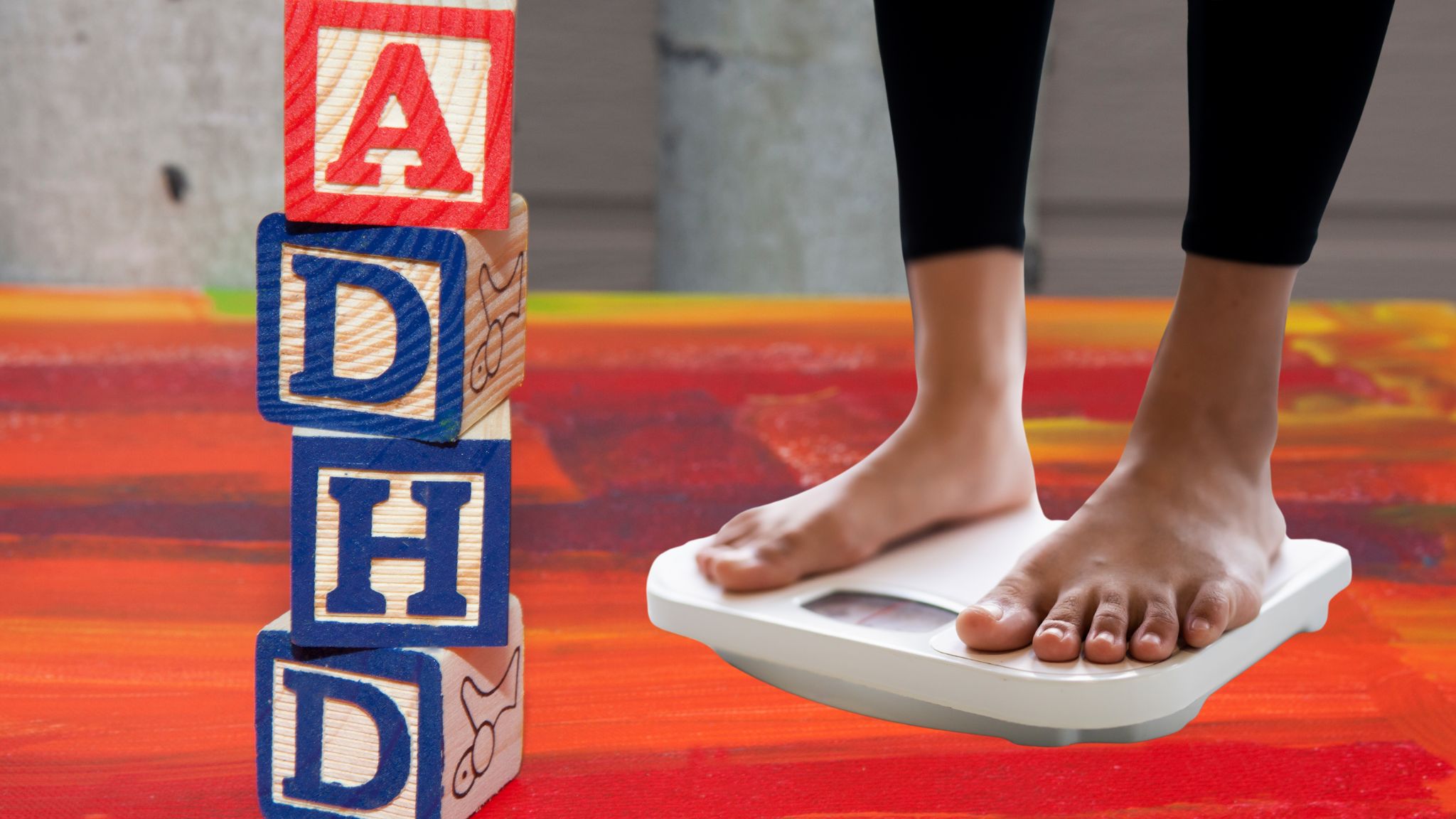
How ADHD Impacts Weight Loss, Appetite Control, and Metabolism
Navigating the complexities of weight loss can be a formidable challenge for anyone, but for those with ADHD, the journey presents unique hurdles. The intricate relationship between ADHD, appetite control, and metabolism often goes unnoticed, contributing to difficulties in achieving and maintaining a healthy weight. This article delves into how ADHD affects not just eating habits but also the body’s ability to manage food intake and energy expenditure.
By understanding these connections, readers can gain valuable insights into tailored strategies that address their specific needs. Whether it’s the impulsivity around food choices or the struggles with sustained focus during a diet, this exploration aims to unlock the barriers standing in the way of effective weight management. Join us as we uncover the underlying factors of ADHD that influence these critical aspects of health, empowering you to take control of your wellness journey.
Understanding ADHD: An Overview
Attention Deficit Hyperactivity Disorder (ADHD) is a neurodevelopmental condition that affects millions of individuals worldwide. Characterised by symptoms such as inattention, hyperactivity, and impulsivity, ADHD can significantly impact various aspects of life, including academic performance, professional success, and interpersonal relationships. The condition is typically diagnosed in childhood, but its symptoms can persist into adolescence and adulthood, affecting individuals across their lifespan.
The exact cause of ADHD remains unclear, although research suggests it is likely due to a combination of genetic, environmental, and neurological factors. Brain imaging studies have shown differences in the structure and function of the brains of those with ADHD, particularly in areas related to attention, impulse control, and executive function. These differences may contribute to the behavioural and cognitive symptoms that characterise the condition.
Despite being one of the most commonly diagnosed neurodevelopmental disorders, ADHD is often misunderstood and stigmatised. This can lead to challenges in obtaining an accurate diagnosis and effective treatment. Understanding the complexities of ADHD is crucial for those affected, as well as for their families, educators, and healthcare providers. This foundational knowledge can help in developing strategies to manage symptoms and improve overall quality of life.
The Link Between ADHD and Weight Management
The connection between ADHD and weight management is multifaceted and influenced by various factors. Individuals with ADHD may struggle with weight gain or loss due to symptoms inherent in the condition, such as impulsivity and difficulty with self-regulation. These challenges can make it harder to maintain healthy eating habits and engage in regular physical activity—both essential for effective weight management.
Impulsivity, a core symptom of ADHD, can lead to poor food choices and overeating. Those with ADHD may find it difficult to resist the temptation of high-calorie, sugary, or processed foods, especially when easily accessible. The immediate gratification provided by these foods can be particularly appealing to individuals who struggle with delayed gratification. Additionally, inattention associated with ADHD can result in mindless eating, where one may not be fully aware of the quantity or quality of the food being consumed.
On the other hand, hyperactivity and restlessness can contribute to difficulties in maintaining a consistent exercise routine. While some individuals with ADHD may engage in sporadic bursts of physical activity, they may find it challenging to stick to a structured programme. This inconsistency can hinder efforts to achieve and maintain a healthy weight. Understanding these connections is the first step in developing effective strategies to address the unique weight management challenges faced by individuals with ADHD.
Appetite Control Challenges in Individuals with ADHD
Appetite control is a significant challenge for many individuals with ADHD, often stemming from the core symptoms of the condition. Impulsivity can lead to spontaneous eating behaviours, such as grabbing snacks without considering hunger levels or nutritional content. This can result in excessive calorie intake and weight gain over time. Additionally, inattention can cause individuals to lose track of their eating patterns, making it difficult to establish and maintain a regular eating schedule.
Another factor complicating appetite control in ADHD is emotional eating. The emotional dysregulation commonly experienced can lead to using food as a coping mechanism for stress, anxiety, or boredom. This may create a cycle where negative emotions trigger overeating, which in turn leads to feelings of guilt or shame, further exacerbating emotional distress and disordered eating behaviours.
Moreover, ADHD can disrupt the body’s natural hunger and satiety signals. Executive function deficits can impair an individual’s ability to plan and prepare balanced meals, leading to reliance on convenient but often unhealthy food options. Additionally, the hyperactivity and restlessness that some experience may mask feelings of hunger, causing skipped meals followed by overeating later. Addressing these appetite control challenges requires a comprehensive approach that considers the unique needs and behaviours of those with ADHD.

Metabolism Differences in ADHD
Metabolism—the process by which the body converts food into energy—can also be affected by ADHD. Research suggests there may be differences in the metabolic rates of individuals with ADHD compared to those without the condition. These differences can influence how the body processes nutrients and stores fat, impacting overall energy balance and weight management.
One potential explanation for these metabolic differences is the role of neurotransmitters such as dopamine and noradrenaline, which are involved in both ADHD and metabolic regulation. Dysregulation of these neurotransmitters may affect metabolic processes, including appetite, energy expenditure, and fat storage. This creates a complex interplay between ADHD symptoms and metabolic function, further complicating weight management.
Additionally, medications commonly prescribed to treat ADHD, such as stimulants, can affect metabolism. These medications can suppress appetite, leading to reduced food intake and potential weight loss in some individuals. However, the long-term effects of these medications on metabolism and weight are not fully understood and may vary from person to person. Understanding these potential metabolic differences is essential for developing personalised strategies to support healthy weight management.
How Medications Influence Appetite and Weight
Medications used to treat ADHD—particularly stimulants—can have a significant impact on appetite and weight. These medications, such as methylphenidate and amphetamine-based drugs, work by increasing levels of certain neurotransmitters in the brain, improving attention and reducing hyperactivity and impulsivity. However, a common side effect is appetite suppression.
Appetite suppression can lead to reduced food intake and weight loss in some individuals. This effect may be more pronounced when medication is first started or when dosage is increased. While this can be beneficial for those who are overweight, it may be concerning for individuals already at a healthy weight or underweight. It is important for healthcare providers to monitor growth and nutritional status to ensure adequate nutrient intake and balanced diet maintenance.
In some cases, the appetite-suppressing effects of ADHD medication diminish over time as the body adjusts. This can lead to a rebound in appetite and potential weight gain. Some individuals may also experience changes in eating patterns, such as eating more in the evening when the medication’s effects wear off. Understanding these impacts is crucial for managing side effects and supporting overall health and wellbeing.
The Role of Nutrition in Managing ADHD Symptoms
Nutrition plays a critical role in managing ADHD symptoms and supporting overall health. A balanced diet that includes a variety of nutrient-dense foods can help improve cognitive function, regulate mood, and provide energy for daily activities. For individuals with ADHD, paying attention to dietary choices can be an important part of managing the condition and mitigating some of its symptoms.
Certain nutrients may have a particular influence on ADHD symptoms. For example, omega-3 fatty acids—found in oily fish and certain plant oils—support brain health and cognitive function. Some studies suggest omega-3 supplementation may help reduce symptoms of inattention and hyperactivity. Similarly, adequate intake of vitamins and minerals such as zinc, iron, and magnesium is essential for brain function and overall health.
In addition to focusing on specific nutrients, it is important to establish regular eating patterns and avoid excessive consumption of processed foods, sugar, and caffeine. These dietary choices can exacerbate ADHD symptoms and negatively affect mood and energy levels. By prioritising a balanced diet and making mindful food choices, individuals with ADHD can support their overall wellbeing and better manage symptoms.
Exercise and Its Impact on ADHD and Weight Loss
Exercise is a powerful tool for managing ADHD symptoms and supporting weight loss. Physical activity offers numerous benefits for both body and mind, making it an essential component of a healthy lifestyle for individuals with ADHD. Regular exercise can improve attention, reduce hyperactivity, and enhance mood, contributing to better overall functioning and quality of life.
Engaging in regular physical activity also supports weight management efforts. Exercise helps burn calories, build muscle, and improve metabolic function—all vital for maintaining a healthy weight. For individuals with ADHD, incorporating exercise into their daily routine can be particularly beneficial, as it provides a structured outlet for energy and helps regulate appetite and eating behaviours.
Certain types of exercise, such as aerobic activities and strength training, have specific benefits for ADHD. Aerobic exercise—running, swimming, cycling—can improve cardiovascular health and increase neurotransmitter release, supporting attention and mood regulation. Strength training helps build muscle and enhance physical fitness. Finding enjoyable, sustainable ways to incorporate exercise into daily life can support both mental and physical health.
Psychological Factors Affecting Weight in ADHD
Psychological factors play a significant role in the relationship between ADHD and weight. The emotional and cognitive challenges associated with ADHD can influence eating behaviours, self-esteem, and overall mental health—all of which affect weight management. Understanding these psychological factors is crucial for developing effective support strategies.
Emotional dysregulation, common in ADHD, can lead to emotional eating and difficulties managing food intake. Individuals may use food as a coping mechanism for stress, anxiety, or boredom, leading to overeating and weight gain. Additionally, impulsivity and lack of self-control can make it challenging to resist temptations or maintain healthy food choices.
Self-esteem and body image can also be impacted, particularly for those who have experienced criticism or negative feedback related to ADHD symptoms. This may create a cycle of negative self-perception and unhealthy eating behaviours. Addressing these factors through therapy, support groups, and self-care practices can help individuals develop a healthier relationship with food and body image.
Strategies for Healthy Weight Management in ADHD
Developing effective strategies for healthy weight management requires a comprehensive and personalised approach. It is important to consider the unique challenges and needs of each individual, taking into account symptoms, lifestyle, and preferences. By implementing tailored strategies, individuals with ADHD can improve their chances of achieving and maintaining a healthy weight.
A key strategy is to establish a regular eating schedule and plan balanced meals and snacks. This helps prevent impulsive eating and ensures adequate nutrient intake throughout the day. Preparing meals in advance and keeping healthy snacks available can reduce reliance on less nutritious options.
Incorporating regular physical activity into the daily routine is equally important. Finding enjoyable, sustainable forms of exercise—whether team sports, dance classes, or daily walks—can help maintain motivation. Seeking support from healthcare professionals, nutritionists, and therapists provides guidance and accountability in developing healthy habits.
Conclusion: Navigating Weight Loss with ADHD
Navigating weight loss with ADHD presents unique challenges, but with the right strategies and support, it is possible to achieve and maintain a healthy weight. Understanding the connections between ADHD, appetite control, and metabolism is the first step. By considering the impact of symptoms, medications, and psychological factors, individuals can develop personalised approaches to support their goals.
Focusing on balanced nutrition, regular physical activity, and emotional wellbeing helps create sustainable, healthy habits. It is important to seek support from healthcare providers, nutritionists, and therapists to develop tailored strategies that meet the unique challenges of living with ADHD. By taking a comprehensive and proactive approach, individuals can successfully manage their weight and improve their overall health.
Ultimately, the key to successful weight management with ADHD lies in understanding and addressing the interconnected factors that influence eating behaviours, metabolism, and mental health. By empowering individuals with knowledge and practical tools, we can help them take control of their wellness journey and achieve lasting success.