
Empowering Families Through Compassionate Assessments: A Path to Understanding
Most families feel lost when facing an unclear diagnosis for their child. This confusion can cloud hope and make everyday challenges harder to manage. Compassionate assessments offer clear insights that empower families with understanding neurodivergent conditions and practical, inclusive strategies. Let’s explore how this gentle approach can bring clarity and confidence to your family’s path. https://www.nurturingparenting.com/blog/empowering-families-with-nurturing-skills/
The Power of Compassionate Assessments
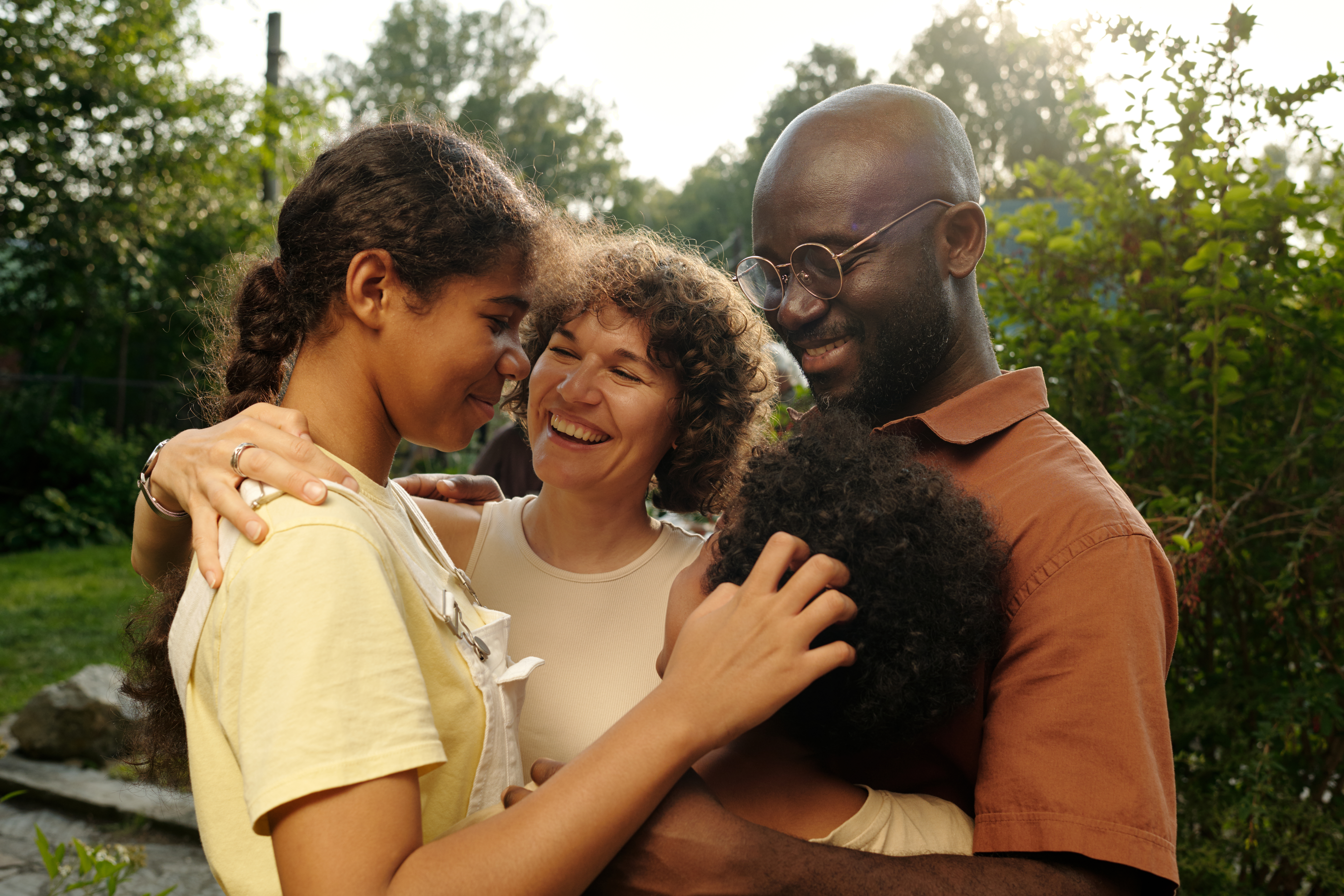
Every parent wants the best for their child, especially when navigating the complexities of neurodivergent conditions. Understanding these conditions can be the first step toward creating a nurturing environment. Let’s explore how compassionate assessments can pave the way.
Understanding Neurodivergent Conditions
Neurodivergent conditions like ADHD, autism, and dyslexia affect many families. Knowing the specifics can help in daily life. For example, a child with ADHD might have trouble focusing, which can impact schoolwork. With the right assessment, you gain insights that clarify these behaviours.
Such assessments aren’t just about identifying conditions. They’re about recognising the unique strengths and challenges each child faces. This clarity can make a huge difference. When you understand your child’s needs, you can support them better. Instead of feeling lost, you gain a map tailored to your child’s mind.
Most believe that neurodivergent conditions are only about challenges, but they also bring unique strengths. Embracing these strengths can lead to unexpected successes. This knowledge empowers families, turning confusion into confidence.
Building Empathy in Families
Once you understand a condition, empathy naturally follows. Empathy is seeing the world through your child’s eyes. It changes how you react to their needs and feelings. For instance, understanding sensory overload in autism can help you create a calm environment at home.
When empathy grows, relationships improve. You begin to address behaviours with compassion rather than frustration. This shift can lead to stronger family bonds. Many families find that empathy brings them closer, creating a more supportive home.
Remember, empathy isn’t just for parents. Siblings, grandparents, and even friends can benefit from understanding. When everyone learns to see the world from a neurodivergent perspective, it creates a community of support around your child.
Empowering Families with Support

With compassionate assessments, families aren’t just informed—they’re empowered. You receive strategies that work for your unique situation, making daily life smoother.
Personalised Strategies for Daily Life
Everyday routines can be challenging without the right strategies. For instance, a tailored morning routine can reduce stress for a child who struggles with transitions. You don’t just get a one-size-fits-all solution. Instead, you receive strategies designed for your child’s specific needs.
These strategies often include practical tools, like visual schedules or sensory aids. Such tools can turn chaotic mornings into manageable routines. When daily life runs smoother, everyone feels more at ease.
It’s not just about tools, though. It’s about understanding how to use them effectively. Personalised guidance ensures that you’re not just informed but equipped to make meaningful changes.
Encouragement and Hope for Parents
Parents often feel overwhelmed by the challenges of neurodiversity. But with the right support, hope is on the horizon. Realising you’re not alone in this journey can be comforting. Many parents find solace in knowing there are resources and communities ready to help.
Support doesn’t stop at strategies. Encouragement is vital. Seeing little victories, like your child thriving in a new activity, can be uplifting. These moments remind you that progress is possible.
The longer you wait to seek support, the more challenging behaviours can become. Early intervention can change outcomes, making it crucial to act promptly.
Embracing Inclusive Strategies

Compassionate assessments highlight the importance of inclusive strategies. These strategies ensure everyone feels valued and supported.
Creating a Supportive Environment
A supportive environment is more than just a physical space. It’s about fostering acceptance and understanding. Schools, for example, can adapt by using inclusive teaching techniques. Learn more about compassionate approaches to creating trust.
Incorporating sensory-friendly spaces or flexible seating arrangements can make a big difference. These adaptations help neurodivergent children feel comfortable and included.
Most people think inclusion is about special accommodations, but it’s about creating a sense of belonging for everyone. When a child feels included, their confidence grows, and they’re more likely to succeed.
Celebrating Neurodiversity Together 🌟
Celebrating neurodiversity is about recognising the unique contributions of every individual. It’s about shifting from seeing differences as deficits to seeing them as strengths. Families can celebrate by acknowledging achievements, no matter how small.
Communities can join in, too. Events that highlight neurodiverse talents can foster understanding and appreciation. By focusing on strengths, we build a society where everyone belongs.
Neurodiversity support is not just a service—it’s a movement towards acceptance and celebration. When we celebrate together, we pave the way for a more inclusive future.
In conclusion, compassionate assessments are more than just evaluations. They offer a pathway to understanding, support, and empowerment. By embracing these insights, families can navigate the world of neurodiversity with confidence and hope.