
Transforming Support: The Power of Understanding Sensory Needs in Neurodiversity
Many support strategies miss a crucial detail: sensory needs shape how neurodiverse minds experience the world. When you understand these needs, you open the door to real, meaningful support that respects each person’s unique wiring. This post shows how recognising sensory differences creates inclusive environments where everyone belongs—and practical sensory strategies you can start using today. For more insights, visit Neurodivergent Insights.
Understanding Sensory Needs

Sensory needs are at the heart of understanding neurodiversity. By acknowledging these needs, you’re taking the first step towards more effective support.
Recognising Sensory Differences
Every individual perceives the world uniquely. For neurodiverse people, sensory differences play a big part. Think about how some sounds might feel just right to one person but overwhelming to another. Recognising these differences helps you tailor your approach.
Take, for example, a child with autism who might find bright lights distressing. By understanding this, you can create a calmer environment. This doesn’t just make them comfortable—it shows that you value their needs.
Most people assume everyone experiences the world the same way. Breaking this assumption reveals a spectrum of sensory experiences.
Importance of Sensory Awareness
Why is sensory awareness crucial? It’s simple: it leads to better support. When you’re aware of sensory needs, you can anticipate challenges and prevent distress. This understanding builds trust and comfort.
Consider a classroom where noise levels are managed to suit diverse sensory needs. Students who might struggle in noisy settings can focus better, enhancing their learning experience.
By focusing on sensory awareness, you’re not just creating a better environment; you’re championing inclusion. For more on this, check out Sensory Processing in Autism.
Creating Inclusive Environments

Once you understand sensory needs, you can build inclusive environments that cater to everyone.
Adapting Learning Spaces
Think of a classroom as more than just a room. It’s a place to foster growth. Adapting learning spaces to meet sensory needs can transform how students engage and learn.
Start by assessing the lighting. Is it too bright for some students? Consider adjustable lighting to cater to varying sensitivities. Next, think about seating arrangements. Flexible seating allows children to choose where they’re most comfortable.
Remember, most people think traditional seating is best. But giving options can boost focus and participation.
Home Strategies for Support
Your home is a sanctuary. You can make it a supportive space by understanding sensory needs. Start by observing patterns. Does your child struggle with certain textures? Use this insight to adjust their clothing or bedding materials.
Also, consider quiet zones. A designated quiet space can serve as a retreat from overwhelming sensory input.
Simple changes, like using soft lighting or noise-cancelling headphones, can make a big difference. For more ideas, visit Manage Clashing Sensory Needs.
Practical Sensory Strategies
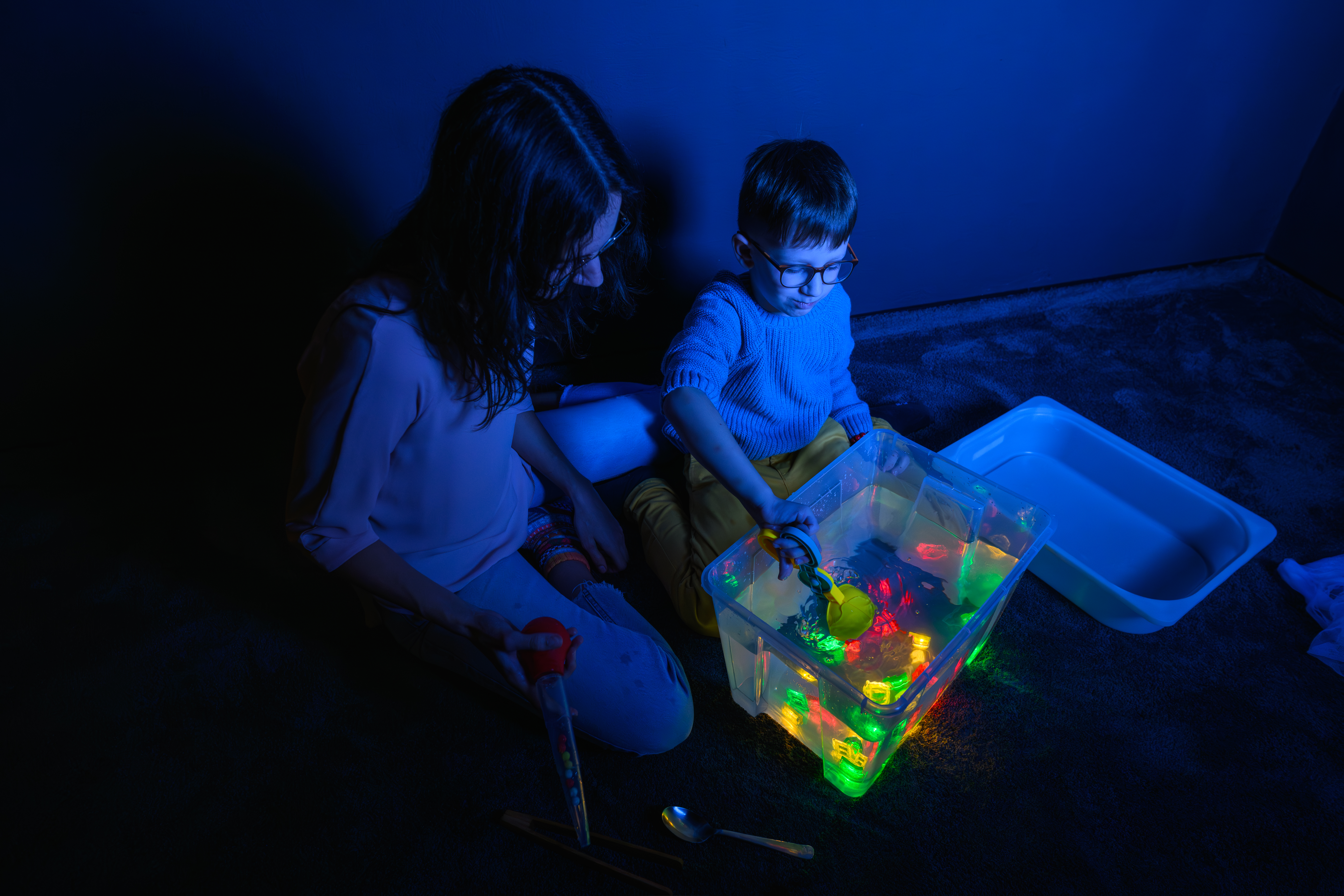
Understanding is only the beginning. Here are actionable strategies to support sensory needs effectively.
Tools for Parents and Caregivers
Parents and caregivers are on the front lines of providing support. Equip yourself with the right tools to meet sensory needs.
-
Sensory Toys: Use fidget spinners or stress balls to help manage sensory input.
-
Visual Schedules: These help children anticipate changes and reduce anxiety.
-
Weighted Blankets: They can provide comfort and help with sleep.
By implementing these tools, you’re enhancing comfort and promoting emotional well-being.
Techniques for Educators and Schools
Educators, your role is vital in creating inclusive learning environments. Here are some techniques to consider:
-
Break Times: Allow students to take breaks to manage sensory overload.
-
Quiet Corners: Establish areas where students can retreat when feeling overwhelmed.
-
Inclusive Activities: Design lessons that cater to various sensory needs.
By adopting these techniques, you’ll see improvements in student engagement and satisfaction. To explore further, see Sensory Health.
Understanding and addressing sensory needs paves the way for more inclusive and supportive environments. By using these strategies, you’re not just helping individuals—you’re building a community where everyone belongs. 🌟