
Embracing Every Neurodiversity Journey with Kindness and Understanding
Neurodiversity shapes every family’s story in unique ways, yet kindness and understanding can make all the difference. When you approach your family’s journey with empathy, you create a space where everyone belongs and feels valued. Here, you’ll find practical ideas and heartfelt support to help nurture your neurodivergent loved ones with warmth and respect. Let’s explore how family support built on kindness can open new paths for everyone to thrive. For more information, check out this resource.
Creating a Culture of Kindness

When families embrace kindness, they create a haven where everyone thrives. Empathy and support become the norm, enriching every member.
Building Family Support Networks
Support networks are vital. Imagine a web woven with care, where each thread represents someone who listens and understands. Starting a family support network doesn’t have to be daunting. It can begin with simple steps like regular family meetings where everyone shares their thoughts. You might also consider joining local or online groups that offer advice and camaraderie. These networks provide a sense of belonging and a safe space to share experiences, which is essential for thriving families.
In these groups, you’ll find parents, educators, and neurodivergent individuals who know the joys and challenges of neurodiversity. They offer advice that comes from lived experiences, not just theory. The true magic happens when families support each other, sharing victories and setbacks alike. This collective wisdom can guide your family through any storm, always steering towards understanding.
Fostering Empathy in Daily Life
Empathy is the key to unlocking deeper connections. It’s about seeing the world through another’s eyes, even if just for a moment. Start by encouraging open conversations at home. Ask questions, listen actively, and validate feelings. This practice nurtures empathy, showing your loved ones they’re valued.
Incorporate empathy into daily routines. Small gestures, like leaving a note of encouragement or sharing a favourite story, can make a difference. Empathy is not just for big moments; it thrives in everyday life. Remember, you’re building bridges, not walls. By fostering empathy, you’re creating a home where everyone feels seen and heard. For more insights on nurturing such environments, check out this link.
Understanding Neurodiversity
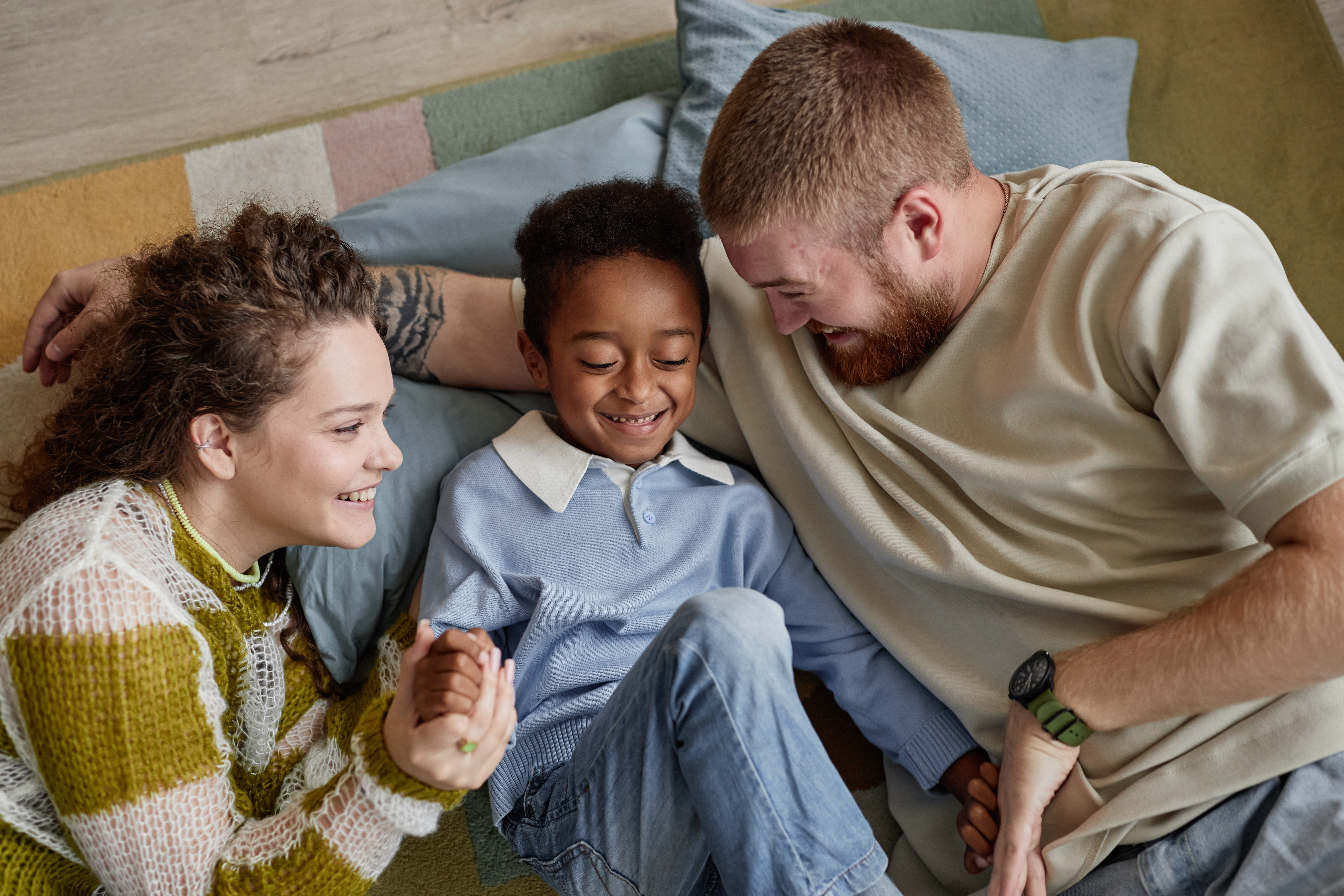
Understanding the diverse ways minds work enriches our view of the world. This knowledge transforms how we relate to each other, creating endless possibilities.
Celebrating Differences in Our Families
Every family has its unique tapestry woven with different threads of neurodiversity. Embracing these differences is crucial. Celebrate what makes each person special, whether it’s a knack for numbers or a love for art. These traits are gifts, not challenges.
Start a family tradition of highlighting each person’s strengths weekly. It could be as simple as sharing something each family member is proud of. This practice builds self-esteem and fosters a culture of acceptance. Remember, when you celebrate differences, you teach your family that everyone’s story is worth telling.
Inclusive Strategies for Educators
Educators play a pivotal role in shaping inclusive environments. Start by creating classrooms where every student feels valued. Use multiple teaching methods to cater to different learning styles. For instance, visual aids can help students who think more visually, while hands-on activities benefit kinesthetic learners.
Regularly communicate with parents and caregivers to tailor strategies for each student. An open dialogue ensures that no one feels left out. When educators collaborate with families, they create a seamless support system that bolsters student success. For more comprehensive strategies, explore this resource.
Empowering Neurodivergent Individuals

Empowerment begins with understanding and acceptance. When individuals feel supported, they can reach their full potential.
Tailored Support Modules and Resources
Tailored support is crucial for empowering neurodivergent individuals. These resources should focus on practical skills like communication, organisation, and emotional regulation. Consider modules that break down tasks into manageable steps, making learning accessible and engaging.
For instance, a module on communication might include role-playing exercises that improve social skills. Resources like these are designed to meet individuals where they are, ensuring they feel capable and confident. It’s about providing tools that make life smoother, not harder. By offering tailored support, you’re saying, “We see you, and we’re here to help.”
Self-Paced Learning for Families 🌈
Self-paced learning offers flexibility, letting families learn at their own speed. This approach is vital for busy households. Courses can cover a range of topics, from daily routines to managing sensory sensitivities. The beauty of self-paced learning is its adaptability; families can revisit materials as needed.
These courses empower families to create routines that work for them, fostering independence and confidence. By learning together, families strengthen their bonds, sharing knowledge and understanding. Remember, the journey of learning is just as important as the destination. For more on creating empowering environments, see this blog.
Each step you take towards kindness, understanding, and empowerment makes a lasting impact. By embracing these values, you’re building a future where everyone can thrive.