
Building Resilience in Neurodiverse Families: The Power of Routines and Celebrations
Building resilience in neurodiverse families often feels like a delicate balancing act. Routines can offer a steady anchor when days feel overwhelming, while celebrating small victories creates a space where everyone belongs. This post shares practical ways to weave family routines and moments of joy into your daily life, helping you build strength together. Let’s explore inclusive strategies that truly support neurodiverse families in thriving every day. For more insights, you can check this resource here.
Establishing Family Routines

Creating a predictable environment can be a game-changer for neurodiverse families. Here’s how consistent routines can make everyday life smoother.
Benefits of Consistent Schedules
Consistent schedules provide much-needed stability. When everyone knows what to expect, it reduces anxiety and builds a sense of security. For instance, starting the day with a morning routine helps set a positive tone. Imagine waking up to a chart that outlines tasks like brushing teeth, getting dressed, and having breakfast. This order can ease transitions and make mornings less stressful.
A consistent routine also allows you to allocate time for relaxation and activities that your family enjoys. Whether it’s a family game night or a quiet reading hour, these predictable moments become something you all look forward to. Consistency doesn’t mean rigidity—it means creating a rhythm that’s dependable.
Some might think that routines stifle creativity, but in reality, they create a safe space where creativity can flourish. When children know when and where their free time slots are, they can dive into hobbies and interests with enthusiasm and without distraction.
Creating Flexible Structures
While routines are beneficial, flexibility within those structures is key. Life is unpredictable, and neurodiverse families understand this better than most. Building flexibility into your routine ensures that when plans change, stress levels don’t skyrocket.
To create this balance, involve everyone in planning. Sit down once a week to discuss the upcoming schedule. This not only prepares everyone but also provides a platform for expressing any concerns or adjustments. For example, if a child needs extra time for homework, you can tweak the evening routine accordingly.
Flexible routines also empower family members to adapt. Teach your kids that it’s okay when things don’t go as planned. This helps build resilience and problem-solving skills. Remember, flexibility isn’t about scrapping the plan—it’s about making room for life’s little surprises.
Celebrating Differences
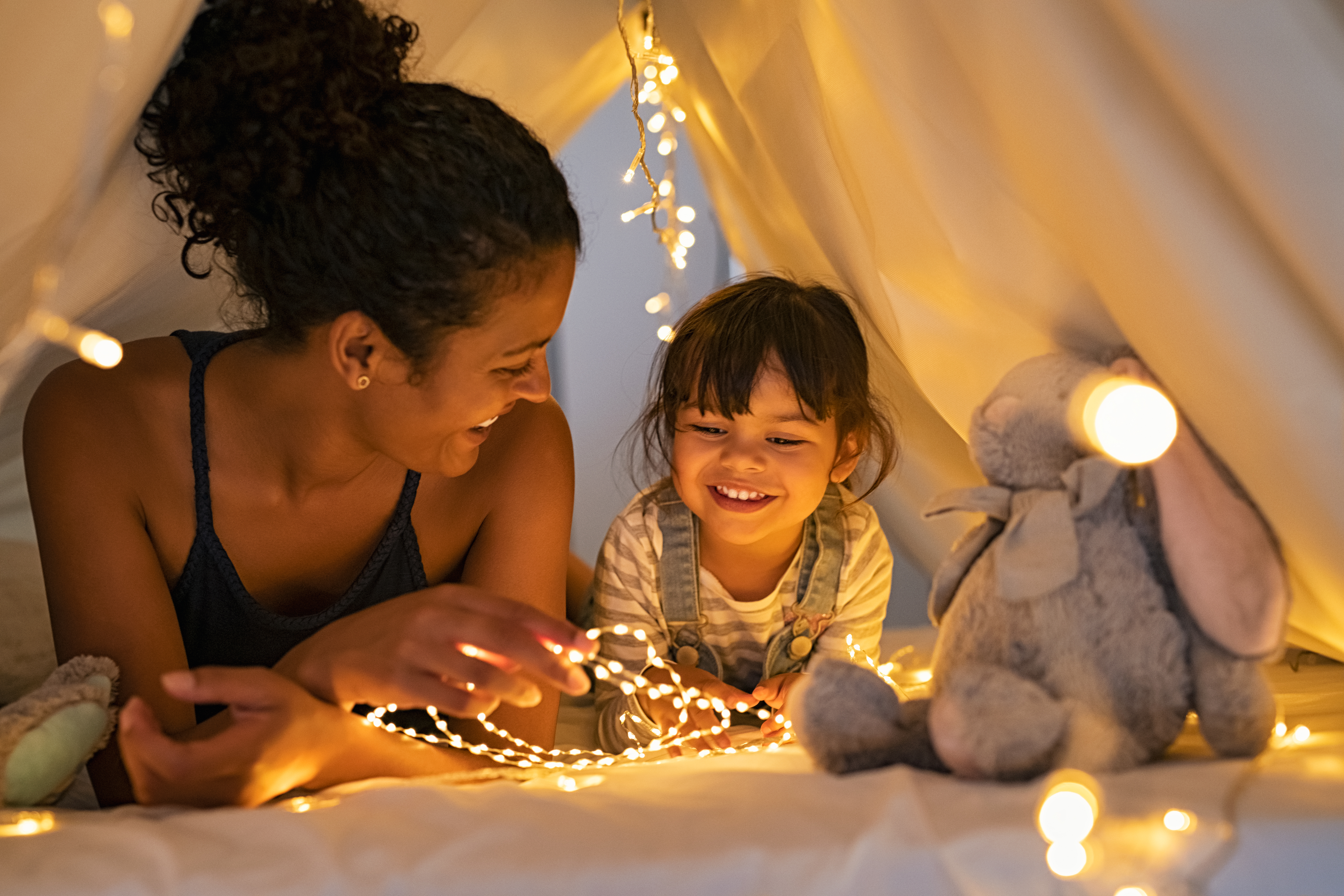
Recognising and celebrating what makes each family member unique can boost confidence and strengthen bonds. Here’s why small victories matter.
Acknowledging Small Victories
Small victories should be celebrated because they affirm progress. Whether it’s a child who finally masters tying their shoes or a teen who successfully navigates a social situation, these moments deserve recognition. Celebrations reinforce positive behaviour and encourage everyone to keep trying.
To acknowledge these achievements, consider creating a “victory board” where each family member can pin up their accomplishments. This visible reminder of success can motivate everyone and is a great conversation starter at the dinner table.
Most people focus on big milestones, but neurodiverse families know the power of small steps. Celebrating these can transform challenges into opportunities for growth. It’s not just about reaching the destination; it’s about valuing the journey and the perseverance it takes.
Building Confidence Through Celebrations
Celebrations build confidence not only in individuals but also within the family unit. Acknowledging each other’s strengths fosters a culture of appreciation and support. Host a monthly family night where each person shares something they’re proud of. This opens up a platform for encouragement and constructive feedback.
Such gatherings also provide a sense of belonging. Kids learn that their efforts are valued, which boosts self-esteem. When you celebrate together, you create memories that strengthen your bond.
Contrary to the belief that too much praise spoils kids, recognition of genuine effort breeds resilience. When children feel appreciated, they’re more likely to take on new challenges and believe in their abilities.
Inclusive Strategies for Resilience

Incorporating everyone’s input and sharing resources are essential steps in building a resilient family. Let’s explore how to do this effectively.
Encouraging Family Participation
Encouraging participation from all family members ensures that everyone feels heard and valued. Start by assigning age-appropriate tasks that contribute to daily routines. Kids can help set the table or choose the family movie. These small responsibilities teach accountability and teamwork.
Family meetings are another great way to promote participation. Use this time to discuss what’s working and what’s not. Listening to each other’s thoughts and feelings builds empathy and understanding. It also empowers children to express their needs and preferences.
Most families overlook the power of shared decision-making. Allowing kids to have a say in certain aspects of their lives builds confidence and independence. It’s not just about what happens—it’s about feeling like a valued part of the team.
Sharing Neurodiversity Support Resources
Sharing resources can transform how your family navigates challenges. There are countless tools available for neurodiverse families, from apps that aid in communication to planners designed for visual thinkers. Websites like The Treetop offer valuable insights into routines and rituals.
Connecting with other families and community groups can also provide support. Attend workshops or join online forums where you can exchange ideas and experiences. Knowing you’re not alone in your journey can be incredibly comforting and motivating.
While some might think they have to go it alone, sharing resources opens up new possibilities. You gain not only practical tools but also emotional support. It’s about building a network of allies who understand and champion the value of neurodiversity.
🌟💪🎉
By establishing routines, celebrating victories, and fostering inclusive practices, neurodiverse families can build resilience and thrive. Remember, it’s the small steps and shared moments that create a strong, supportive environment where everyone belongs.