
Unlocking Potential: The Power of Personalised Support for Neurodivergent Individuals
Most support systems treat everyone the same, but that often leaves neurodivergent individuals feeling misunderstood. Personalised support recognises unique strengths and challenges, offering tailored guidance that truly fits each person’s needs. In this post, you’ll see how inclusive strategies can build confidence and create spaces where everyone belongs. Explore more about why personalised training is vital in today’s neurodiverse workforce.
Understanding Neurodiversity

Recognising the diverse ways our brains function is the first step toward building a more inclusive world. This section will introduce the concept of neurodiversity and highlight the unique nature of each individual’s mind.
Embracing Diverse Minds
Have you ever wondered why some people see the world a bit differently? Every brain is wired uniquely, which is not a flaw but a strength. Neurodiversity is the term that celebrates this diversity. From ADHD to autism and dyslexia, these differences are not just variations but bring their own set of strengths. Imagine a classroom where each child learns at their pace, using methods that play to their strengths. This is the essence of embracing diverse minds—creating environments where everyone can succeed.
Neurodivergent individuals often excel in areas like creativity and problem-solving. For example, someone with dyslexia might struggle with reading but excel in visual thinking, leading to innovative ideas in design. By understanding these differences, you can help create spaces where every mind is valued. Learn more about embracing neurodiversity and why it matters.
Celebrating Individual Strengths
Most people think that learning should be one-size-fits-all, but this often overlooks unique talents. Recognising individual strengths means creating opportunities for everyone to shine. Have you ever noticed how some people excel in tasks you find challenging? That’s the beauty of diverse strengths.
Consider a person with autism who might have an exceptional memory and attention to detail. These skills could make them invaluable in fields like technology or research. By focusing on what someone can do, rather than what they can’t, you unlock new possibilities. Here’s a guide on personalised learning to further explore this approach.
The Impact of Personalised Support
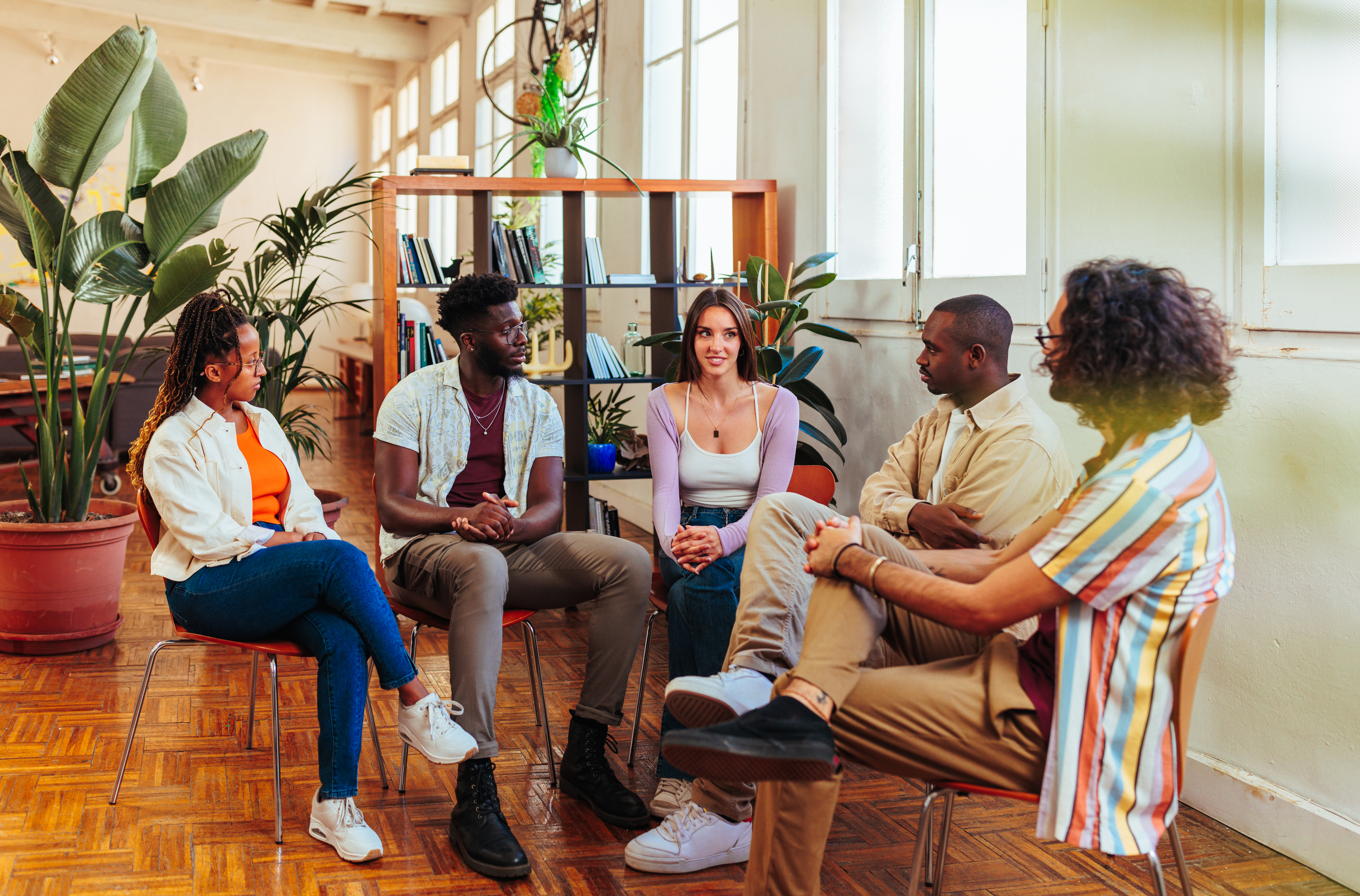
Once you understand neurodiversity, the next step is to see the impact of personalised support. Tailored guidance can empower individuals, boosting their confidence and potential.
Empowering Neurodivergent Individuals
Do you know why personalised support is crucial? It empowers neurodivergent individuals by providing the tools they need to thrive. With the right support, challenges can become stepping stones to success. Imagine a world where everyone has the resources to reach their full potential. That’s what empowerment through personalised support looks like.
For instance, someone with ADHD might benefit from structured routines and practical strategies that harness their energetic nature. These customised approaches not only enhance learning but also build confidence. Discover why neurodivergent tracking is crucial for personalised care.
Tailored Guidance for Success
Have you ever wished for support that truly understands you? Tailored guidance does just that by focusing on individual needs. It transforms potential obstacles into opportunities for growth. Most people think generic strategies work for everyone, but they’re often ineffective for neurodivergent minds.
Consider a student with dyslexia who uses speech-to-text technology to overcome reading challenges. This tailored approach allows them to participate fully in class. By focusing on what works best for each individual, you pave the way for success. Tailored guidance is not just supportive; it’s transformational.
Inclusive Strategies in Education

To truly support neurodivergent individuals, inclusive strategies in education are essential. This section explores how creating supportive environments fosters growth and collaboration.
Creating Supportive Environments
Imagine a classroom where every student feels understood and valued. Creating supportive environments is about more than just accessibility; it’s about fostering a sense of belonging. When you provide tools and resources that cater to diverse needs, you empower every student to succeed.
For example, using visual aids can help students with learning differences understand complex concepts. These simple adjustments make a world of difference. By prioritising inclusion, you create a community where everyone thrives.
Encouraging Collaboration and Growth
Collaboration leads to growth, but only when every voice is heard. Encouraging collaboration involves creating spaces where neurodivergent individuals can share their insights and ideas. Most people overlook the power of diverse perspectives, but in reality, they are essential for innovation.
When students work together, they learn from each other’s strengths. A neurodivergent student might bring a fresh perspective that challenges the status quo, leading to creative solutions. By fostering an environment of collaboration, you not only support growth but also celebrate diversity.
In conclusion, understanding and supporting neurodiversity through personalised support and inclusive strategies can unlock immense potential. It’s about recognising the unique strengths within each individual and providing the tools they need to succeed. Let’s build a world where everyone belongs.