Embracing Diverse Intelligences: Celebrating Every Brain’s Unique Learning Style
Every brain processes the world in its own special way. When learning feels tricky, it’s often because the approach doesn’t fit that unique style. By recognising different intelligences, we can create inclusive learning spaces where everyone belongs and thrives. Let’s explore how personalised education honours neurodiversity and helps you celebrate differences with confidence. Learn more about different intelligences here.
Understanding Different Intelligences

Let’s explore how diverse minds enrich our understanding of the world. Each brain is unique, and recognising this diversity is key to fostering a sense of belonging for everyone.
Recognising Neurodiversity’s Richness
Neurodiversity is a concept that celebrates different ways of thinking. Whether it’s ADHD, autism, dyslexia, or other differences, each type contributes to a rich tapestry of human experience. For instance, those with ADHD might excel in creativity and fast-paced environments, while autistic individuals may have exceptional focus and attention to detail. Understanding these differences helps create supportive environments where everyone can thrive. Explore more about multiple intelligences here.
Celebrating Differences in Learning
Every learner has their own style, influenced by how their brain processes information. Some are visual learners, while others might prefer hands-on experiences. By tailoring education to these styles, we honour each student’s strengths. An example is providing dyslexic students with text-to-speech tools, allowing them to shine in visual and spatial tasks. Recognising these differences not only supports academic success but also boosts self-esteem.
Inclusive Learning Strategies
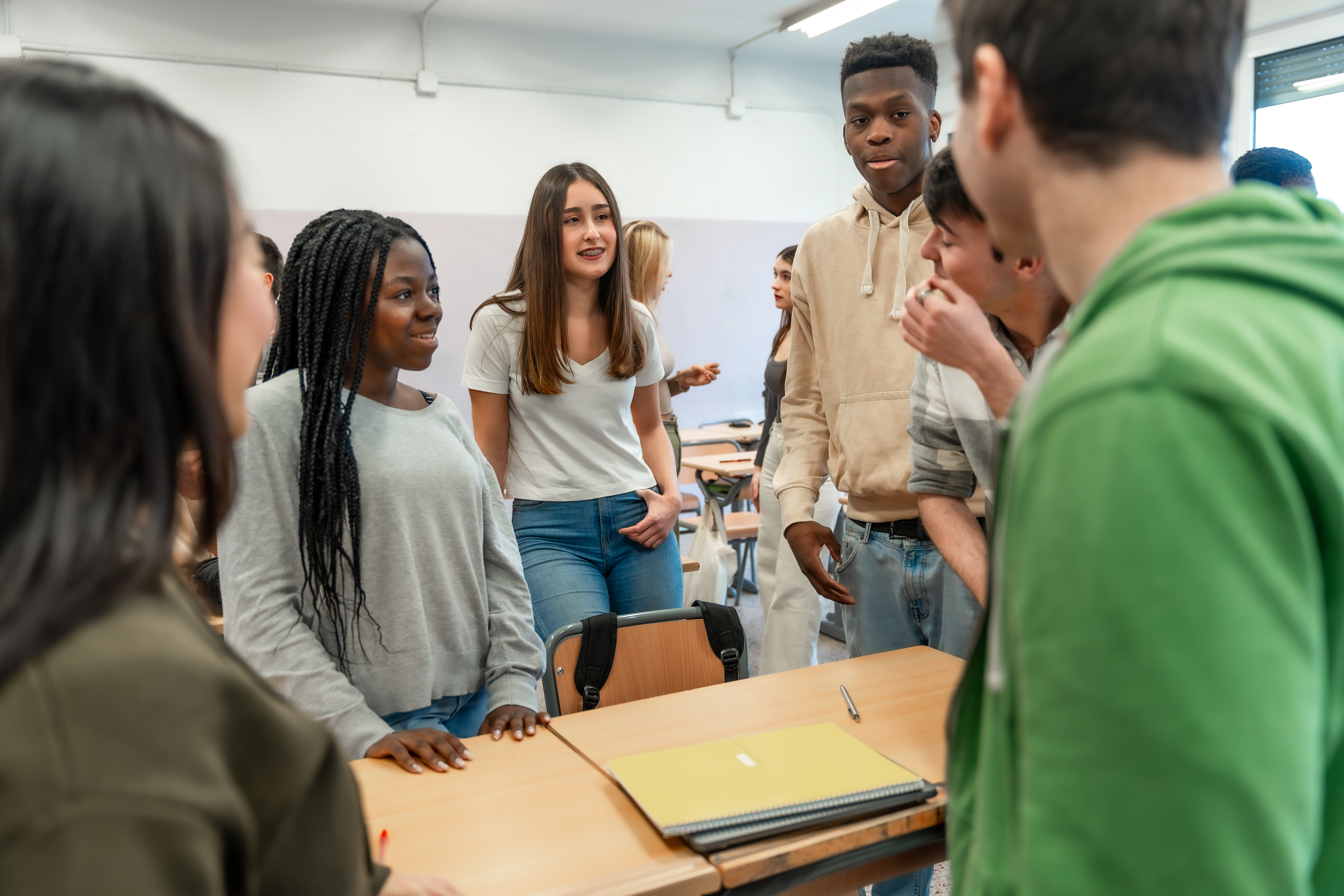
By embracing different learning styles, we create a classroom culture that supports everyone. Let’s delve into how personalised education can make a significant impact.
Personalised Education for All
Imagine a classroom where each student’s learning style is recognised and valued. Personalised education adapts teaching methods to fit individual needs. For example, using multi-sensory techniques for students with dyslexia can make reading more accessible. Tailoring approaches ensures that all students, including those who are neurodivergent, feel included and capable. Learn more about how to implement these strategies effectively.
Supporting Neurodivergent Individuals
Supporting neurodivergent individuals involves understanding their unique challenges and strengths. Creating a supportive environment might involve using visual schedules for children with autism or providing quiet spaces for those with ADHD. Empowering students with tools like behaviour plans and sensory supports can significantly impact their learning journey. With the right strategies, we can turn challenges into opportunities for growth.
Empowering Neurodivergent Communities
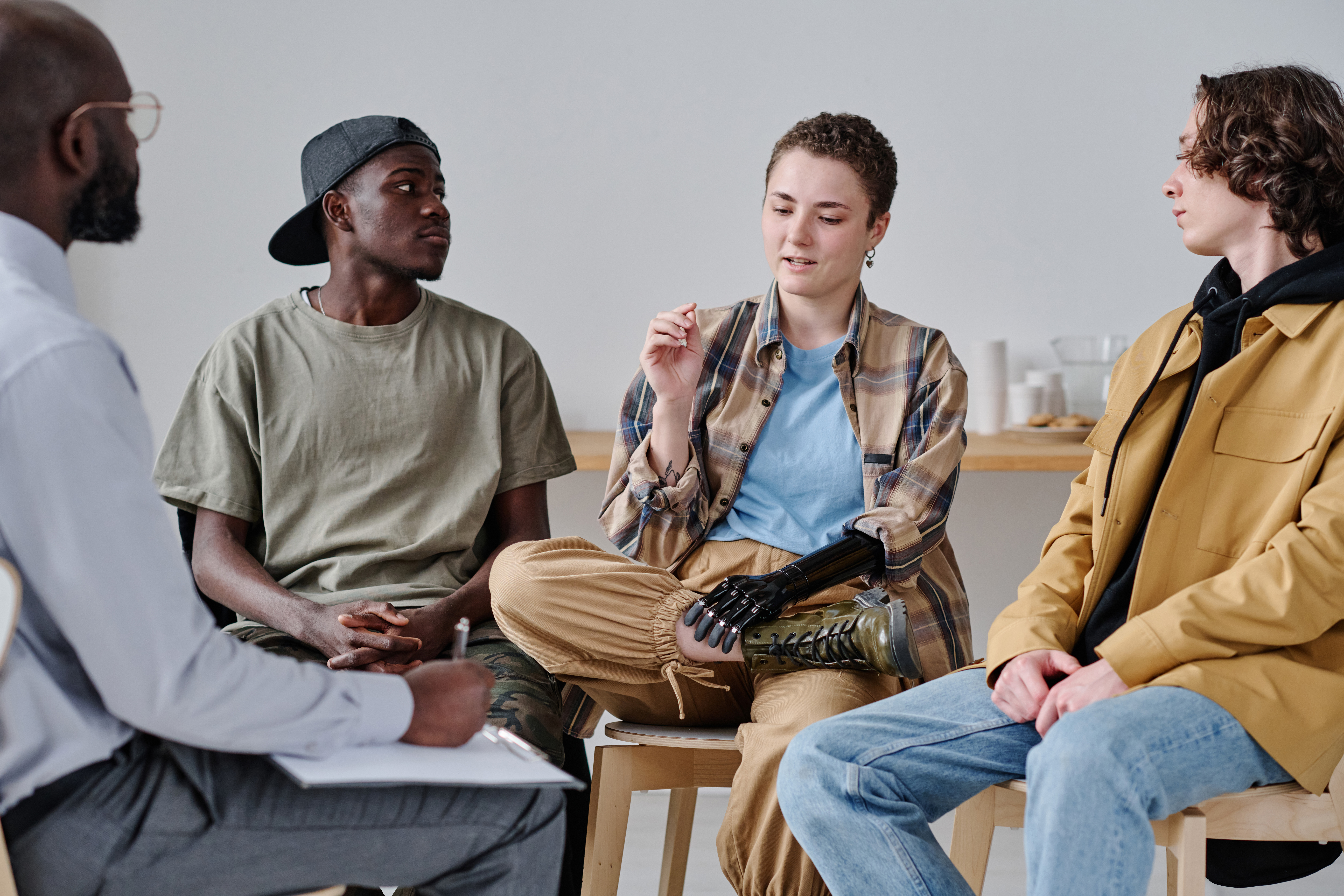
Building communities that understand and embrace diverse intelligences benefits everyone. Let’s explore how fostering confidence and connection can empower individuals.
Building a Community of Understanding
Creating a space where neurodivergent individuals feel understood is crucial. This involves educating peers and educators about neurodiversity, promoting empathy and acceptance. For example, hosting workshops on inclusive teaching methods can raise awareness and foster a supportive community. Encouraging open dialogue about differences dismantles stigma and builds a culture of respect and understanding.
Fostering Confidence and Connection
Confidence grows when individuals feel supported and valued. By highlighting achievements and celebrating progress, we boost self-worth and encourage connection with others. Activities that promote collaboration and understanding, like group projects tailored to different learning styles, build a sense of community. When everyone feels they belong, they are more likely to contribute positively and thrive.
By recognising and celebrating the unique ways each brain learns, we create inclusive environments where everyone can succeed. Let’s continue to champion neurodiversity, ensuring every individual feels valued and empowered. For more insights, explore this resource.