
Crafting Simple Visual Supports at Home to Enhance Learning
Creating helpful visual supports at home doesn’t have to be a struggle. Many parents and educators want simple tools to make learning smoother for neurodivergent children but feel unsure where to start. This guide offers easy DIY educational tools that fit right into your daily life, turning home learning aids into trusted companions. Let’s explore how small, thoughtful visuals can celebrate differences and make inclusive learning a natural part of your space. For more resources, you can visit this link.
Simple Visual Supports for Learning
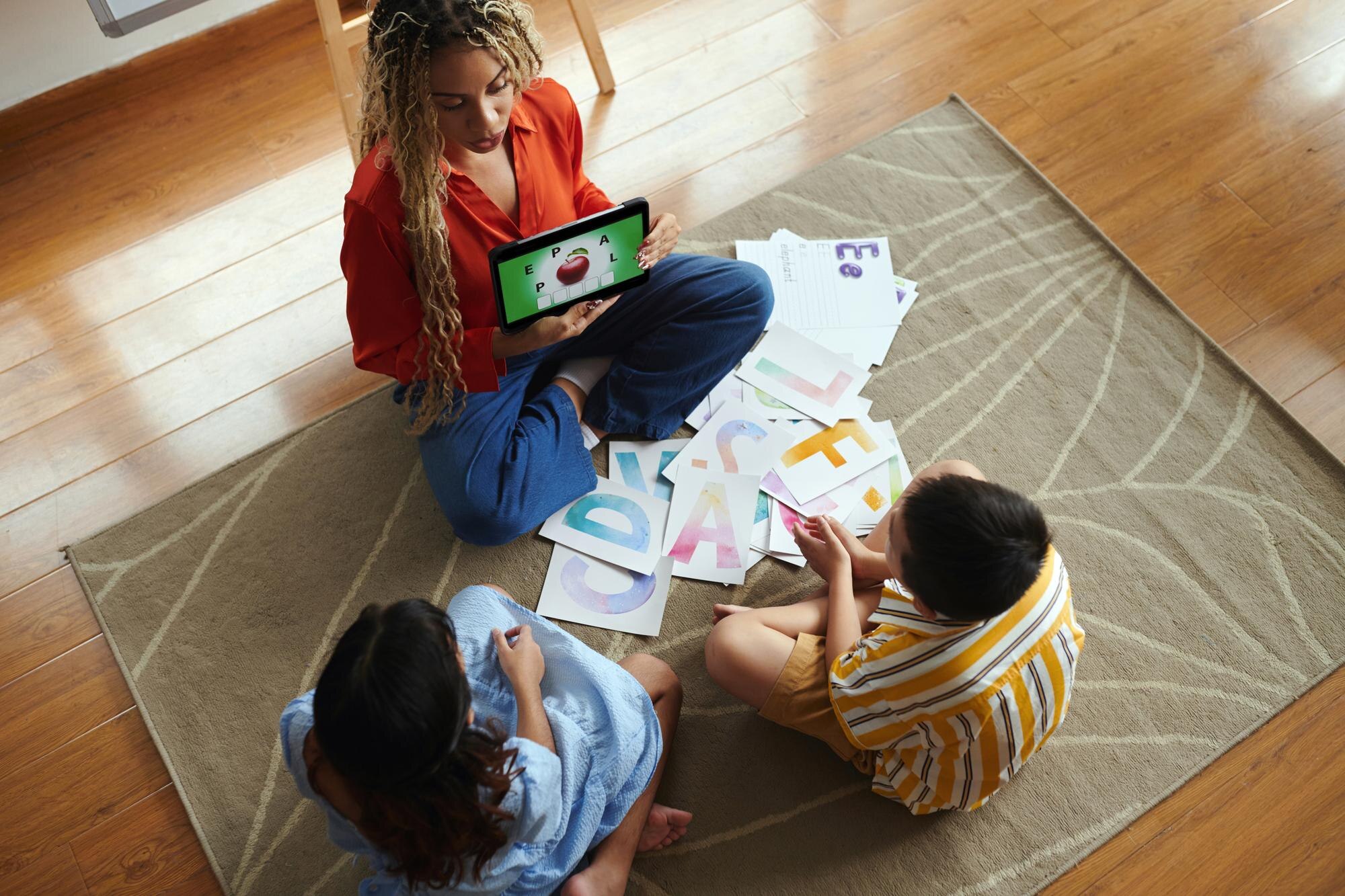
Visual supports can transform how neurodivergent individuals engage with learning. By creating simple tools, you can make everyday tasks feel less daunting and more engaging.
DIY Educational Tools
Creating educational tools at home is easier than you might think. Start with what you have around the house. Use sticky notes for reminders and colour-coded folders to keep subjects organised. These small additions can make a big difference.
Engage your child in the process. Ask them to help design their own visual schedules. This activity can empower them and make using these tools more enjoyable. By personalising the experience, learning becomes a shared adventure.
For more inspiration, check out this resource on visual supports.
Creating Home Learning Aids
Home learning aids don’t need to be complex. A simple whiteboard can become a hub for daily tasks, while pictures or symbols can explain processes step-by-step. These visuals offer a sense of security and predictability.
Consider creating a quiet corner for focused activities. Fill it with tools like timers and fidgets that help manage concentration. This space can provide a much-needed respite from the hustle of everyday life and encourage self-regulation.
If you’re looking for free visual aids, explore these resources.
Inclusive Learning Spaces

Incorporating visual supports naturally leads to more inclusive learning spaces. These spaces foster growth by respecting each learner’s unique needs.
Embracing Neurodiversity at Home
Embracing neurodiversity means recognising and valuing each person’s unique brain. At home, this can be as simple as using visual cues to support communication and understanding.
Create a customised learning area that celebrates individuality. Use posters and charts that highlight strengths and interests. This not only boosts confidence but also nurtures a sense of belonging.
To explore more visual support options, visit Smarty Symbols.
Fostering an Inclusive Environment
An inclusive environment starts with awareness. Encourage open conversations about differences and why they matter. This will help your family appreciate diversity.
Invite your child to decorate their learning space. Choose themes and colours that resonate with them. This encourages ownership and makes the environment feel welcoming and personal.
For additional ideas on must-have visual supports, take a look at this guide.
Building Community and Support

Building a community around neurodiversity can provide invaluable support. Sharing experiences and resources brings people together.
Joining the School of Neurodiversity
The School of Neurodiversity is a community that understands and supports diverse minds. By joining, you can access resources and connect with others on similar journeys.
Participate in discussions and workshops to learn new ways to support your child. This engagement enriches your understanding and enhances your ability to advocate for their needs.
Connecting with Like-minded Families and Educators
Finding like-minded families and educators can be a game-changer. They offer a network of support where you can exchange tips and experiences.
Join local or online groups focused on neurodiversity. These platforms allow you to share successes and challenges, creating a collective wisdom that benefits everyone involved.
In summary, embracing visual supports and inclusive practices at home can create a more nurturing and effective learning environment. Celebrating neurodiversity through these methods not only aids learning but also builds a community where everyone belongs.