
Creating Inclusive Learning Environments: Essential Tips for Educators
Creating a classroom where everyone belongs is not just a goal—it’s a necessity for today’s educators. When neurodiverse learners feel seen and supported, their potential shines in ways you might never expect. In this post, you’ll find practical classroom strategies and inclusive teaching techniques designed to help you welcome every student with open arms. Let’s explore how inclusive education can become your classroom’s strongest foundation. For more insights, check out this resource on creating an inclusive learning environment.
Understanding Neurodiverse Learners
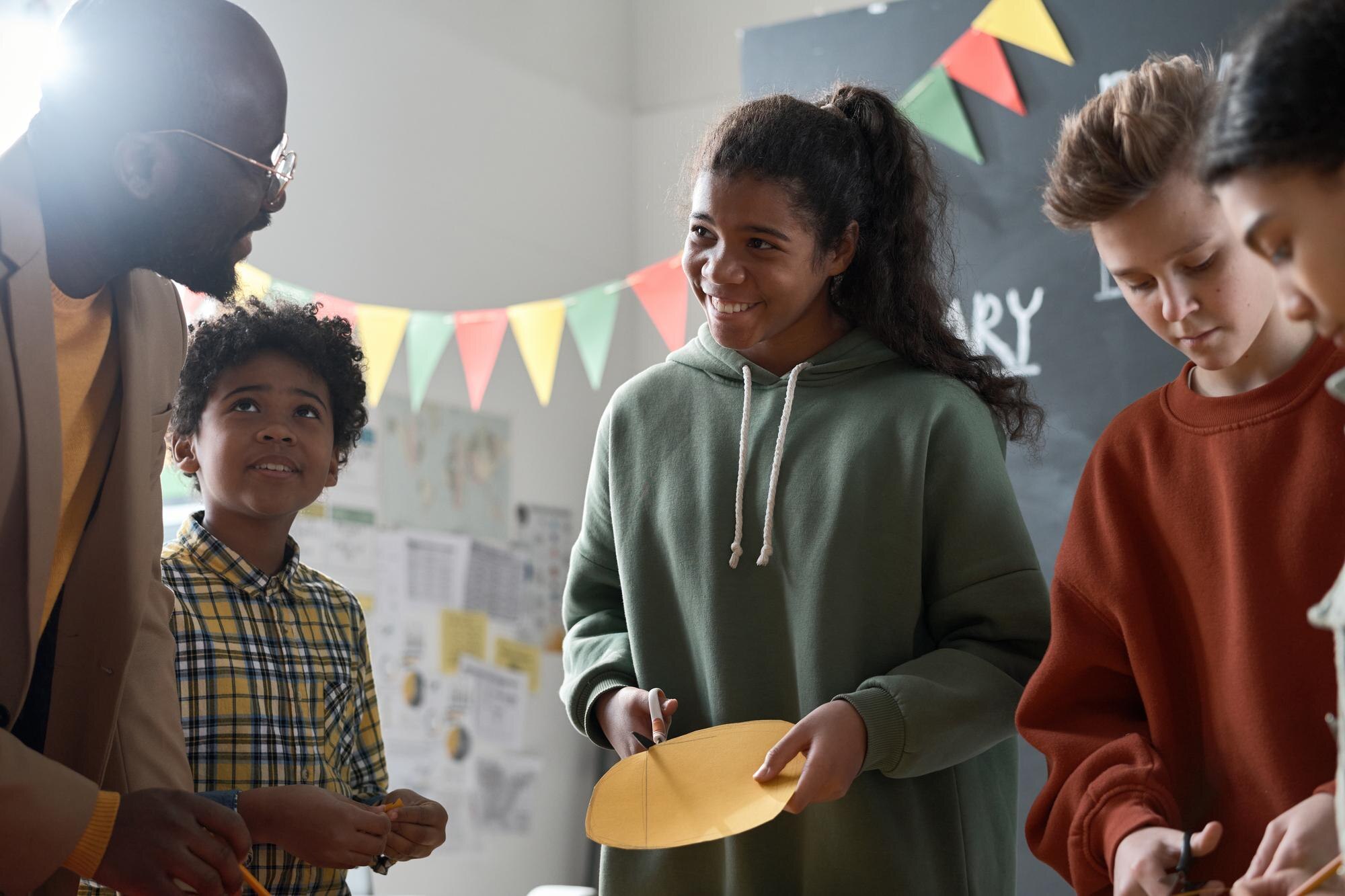
To build an inclusive classroom, we start by understanding the unique qualities of neurodiverse learners. Knowing what makes each student special is key to creating an environment where everyone can thrive.
Recognising Unique Strengths
Each neurodiverse student brings distinct strengths and perspectives. You might notice one student excels in creative thinking, while another has a knack for detail. These talents can enrich the learning experience for everyone. For instance, a student with autism might be brilliant at pattern recognition, which can be a great asset in subjects like maths and science. By tapping into these abilities, you help students feel valued and confident.
Recognising these strengths isn’t just beneficial for students—it’s a gift to your classroom. By fostering an environment where students can shine, you inspire others to appreciate diverse ways of thinking. This approach not only enhances learning but also builds a more compassionate and inclusive classroom community.
Celebrating Differences in the Classroom
Embracing differences isn’t just necessary—it’s a celebration. When you create a space where students’ unique qualities are acknowledged, you instil a sense of belonging. This can be as simple as encouraging students to share their interests or as involved as integrating diverse topics into your lessons.
Most people assume that focusing on differences can lead to division. In reality, highlighting these differences fosters unity. When students see that their peers are celebrated for who they are, it promotes mutual respect and understanding. This mindset shift is a powerful tool for developing empathy and collaboration in the classroom.
Practical Classroom Strategies
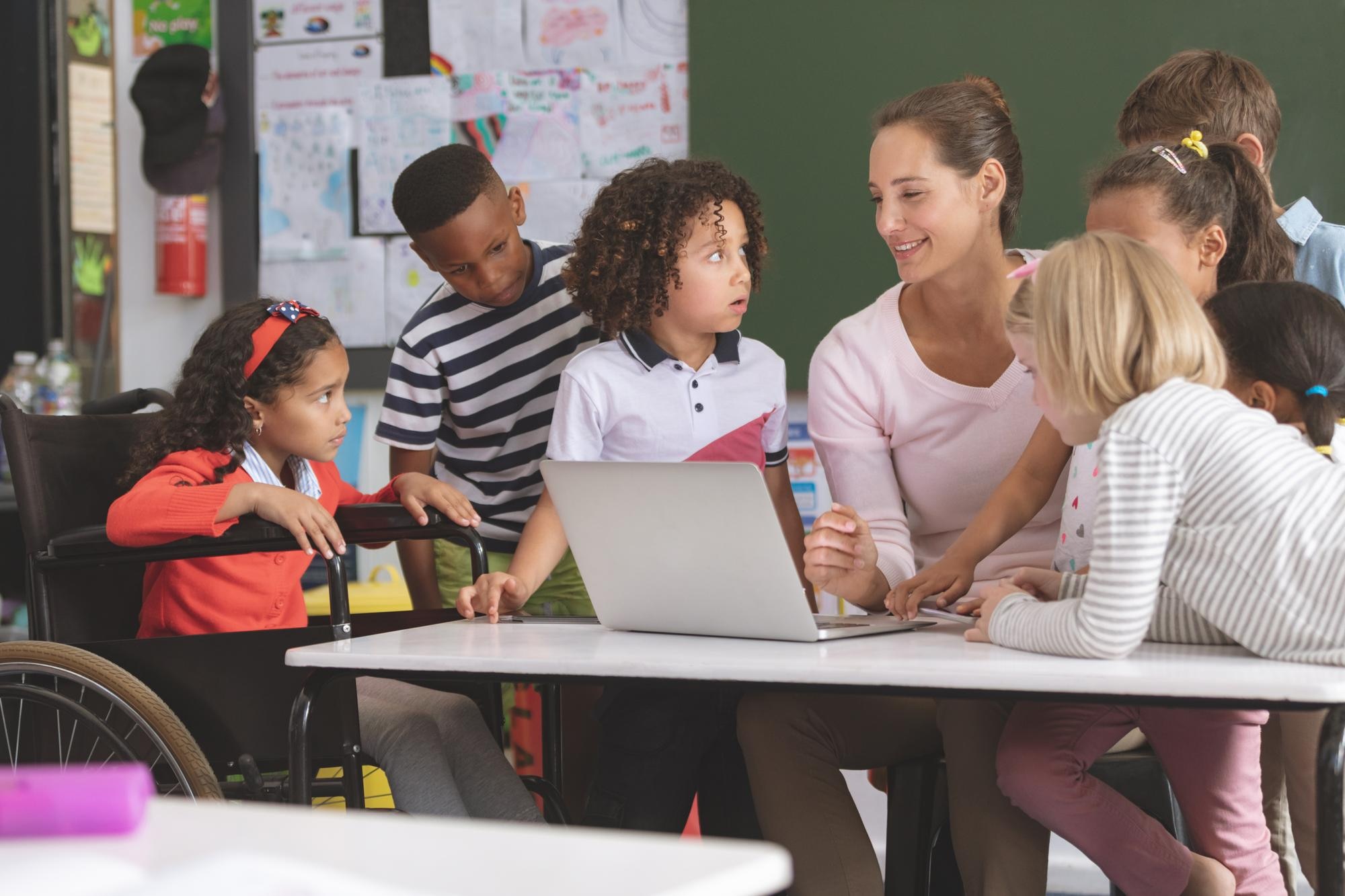
Once you understand the unique strengths of your students, the next step is to implement practical strategies that support everyone. These strategies are designed to create a nurturing environment where all students can thrive.
Creating a Supportive Environment
A supportive classroom begins with physical space. Arrange desks to encourage interaction and ensure materials are accessible to all. This simple change can make a world of difference. Consider using visuals, like charts and diagrams, which can help in making information accessible to visual learners.
Another key aspect is flexibility. Allow students to choose how they express their understanding, whether through a written report, a presentation, or a creative project. This flexibility acknowledges different learning styles and encourages students to engage in ways that suit them best.
Communication Techniques for All
Effective communication is essential for inclusivity. Use clear, simple language and check in with students to ensure comprehension. You might find that visual aids, like images or videos, enhance understanding for everyone.
One technique that works well is the use of open-ended questions. These encourage students to think critically and share their thoughts. For example, instead of asking yes/no questions, try “What do you think about…?” This invites students to express themselves and contributes to a more engaged and inclusive classroom environment.
Educator Resources for Inclusive Teaching

To support inclusive teaching, educators must have access to the right resources. These tools and networks offer invaluable support for creating an inclusive classroom.
Accessing Professional Development
Professional development is crucial for staying informed about the best practices in inclusive education. Online courses and workshops provide updated strategies tailored for neurodiverse learners. For example, Cornell University offers resources on inclusion and accessibility that can enhance your teaching toolkit.
Another resource is learning communities where educators share experiences and strategies. Engaging with these communities can provide fresh insights and reinvigorate your teaching approach.
Building a Community of Support
Creating a network of support is vital. Connect with other educators, specialists, and families to share insights and strategies. This collaboration can lead to innovative ideas and a stronger support system for your students.
Consider reaching out to local organisations dedicated to neurodiversity. They often provide workshops and events that focus on inclusivity, offering both resources and a sense of community. By tapping into these networks, you create a web of support that enriches your teaching and benefits your students.
😊
For further insights and resources on creating inclusive classrooms, visit our partners at School of Diversity. Embrace these strategies today and watch your classroom transform into a thriving, inclusive space where every student feels valued and empowered.