
Creating Sensory-Friendly Spaces: A Guide for Home and School
Creating sensory-friendly spaces doesn’t have to feel overwhelming. Many parents and educators struggle to find simple, effective ways to support neurodiverse environments at home and school. This guide offers clear, practical strategies and sensory tools designed to help everyone feel calm, focused, and included. Let’s explore how small changes can make a big difference for your child or students. Learn more here.
Understanding Sensory-Friendly Spaces
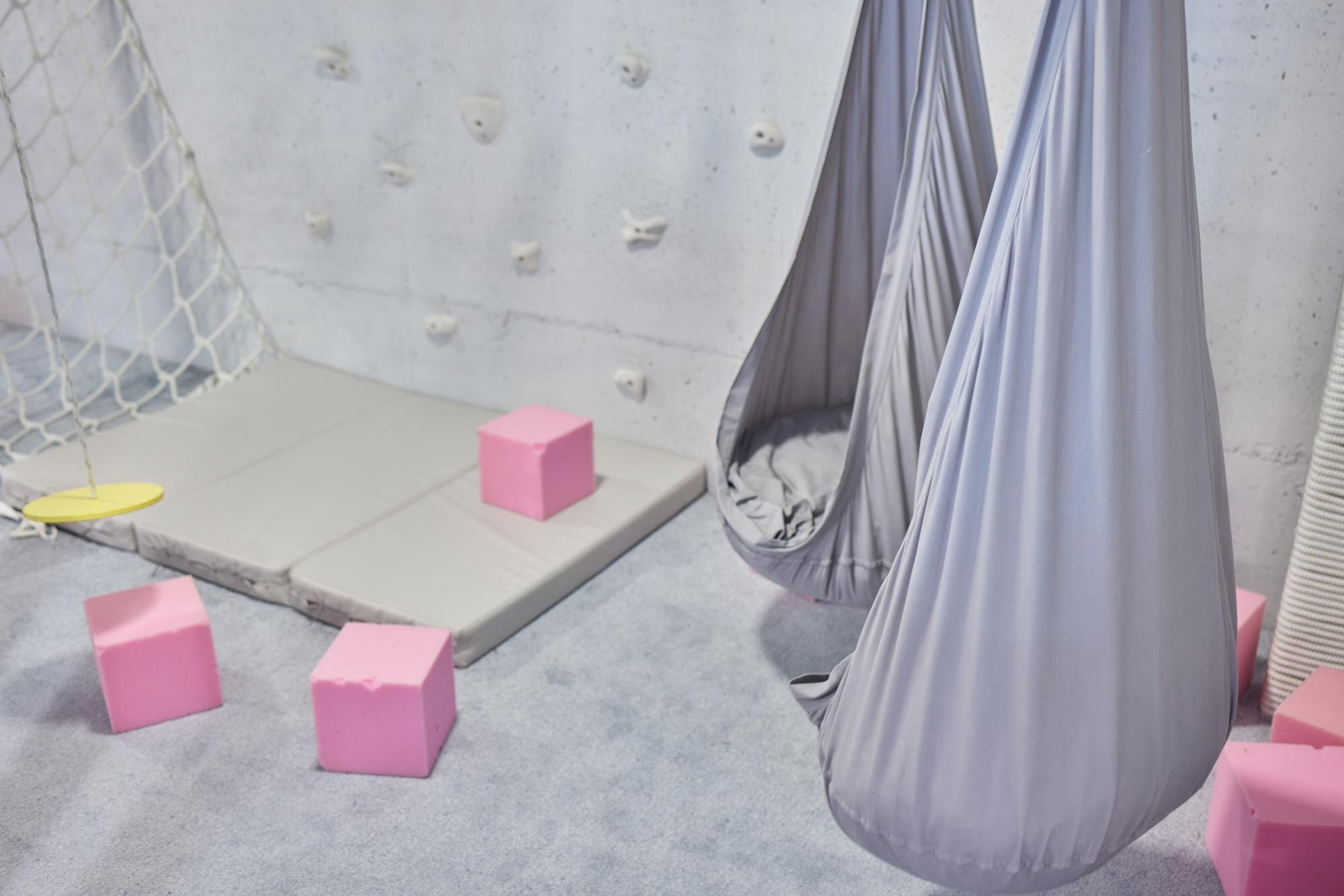
Creating sensory-friendly spaces begins with understanding what they are and why they’re important. These environments support neurodiverse individuals by reducing sensory overload and promoting calmness.
What is a Sensory-Friendly Space?
A sensory-friendly space is designed to be comfortable and supportive, particularly for those who are sensitive to sensory input. Imagine a room where noise, light, and textures are controlled to help individuals feel safe. In these spaces, you might find dim lighting, soft seating, and quiet corners. The goal is to create an environment that reduces anxiety and encourages focus.
Benefits of Sensory Tools
Sensory tools can make a remarkable difference in daily life. These are items like weighted blankets or noise-cancelling headphones that help manage sensory input. For instance, a child who fidgets might benefit from a stress ball. These tools offer comfort and can improve concentration, making them invaluable in both home and school settings.
Key Elements of Neurodiverse Environments
Neurodiverse environments embrace differences and provide support where it’s needed most. Key elements include flexibility and understanding. For example, allowing children to choose between working at a desk or sitting on the floor can make a big difference. By considering individual needs, you create a welcoming space where everyone belongs.
Creating Inclusive Strategies at Home
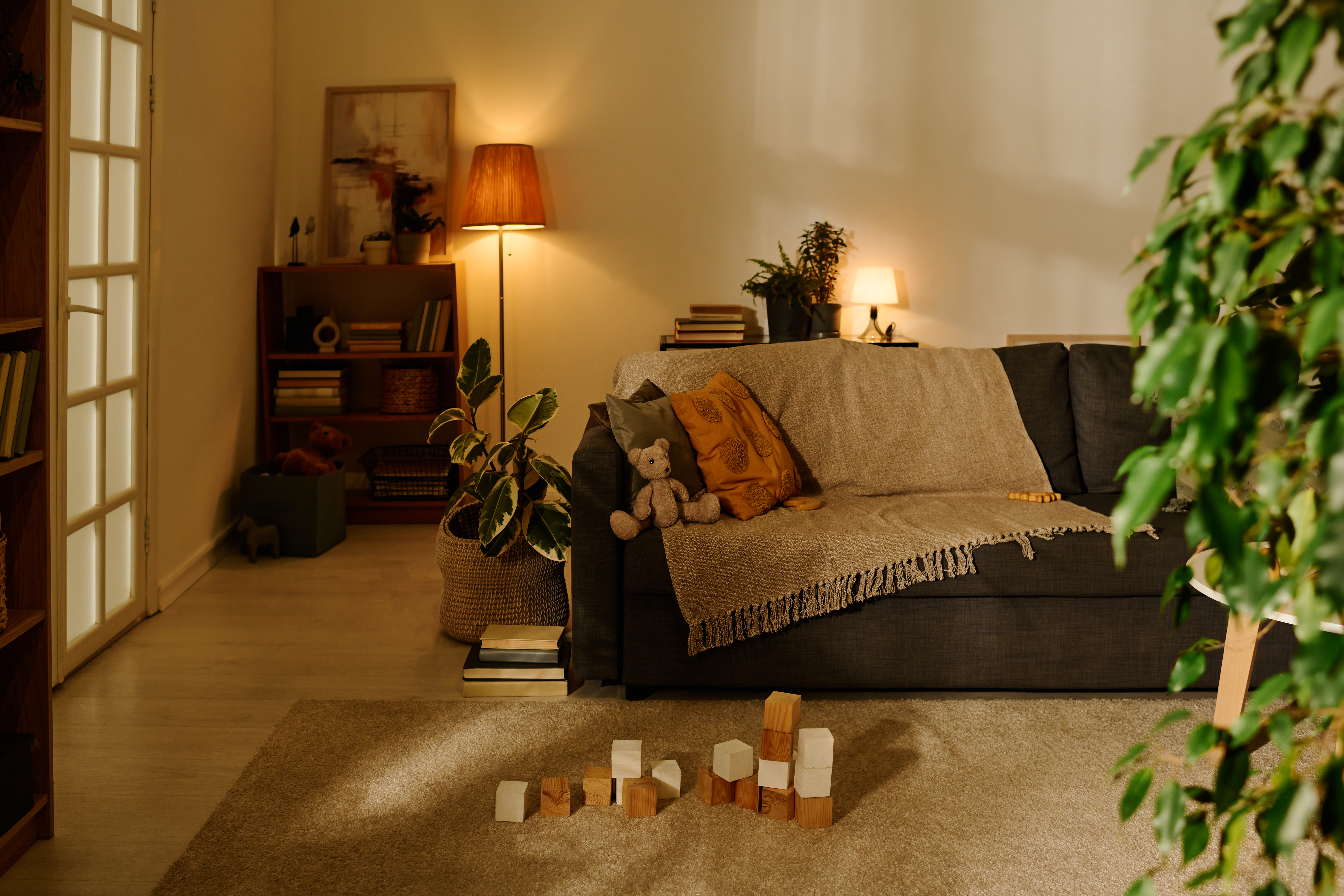
Transitioning these ideas into the home is easier than you might think. With a few adjustments, you can make your living space more inclusive and supportive for neurodiverse family members.
Practical Tips for Home Support
Begin by observing your child’s reactions to different stimuli. Do loud noises bother them? Is there a particular texture they avoid? Use this information to modify their environment. For instance, you could create a quiet corner with soft pillows and low lighting. Regular check-ins with your child can also guide you in making adjustments that suit their changing needs. Explore more tips here.
Simple Sensory Tools for Families
Families can benefit from sensory tools that are easy to incorporate. Consider introducing items like soft rugs or gentle music to create a soothing atmosphere. Even simple changes, like using scented candles or essential oils, can enhance relaxation. These tools are not only helpful for the neurodiverse but can also create a peaceful home for everyone.
Encouraging Calm and Focus at Home
To foster calmness, establish routines that provide structure. Regular schedules can help reduce anxiety by offering predictability. Additionally, designate a specific time and place for quiet activities, such as reading or drawing. These routines not only help neurodiverse individuals but also bring a sense of peace to the whole family.
Inclusive Strategies in Schools
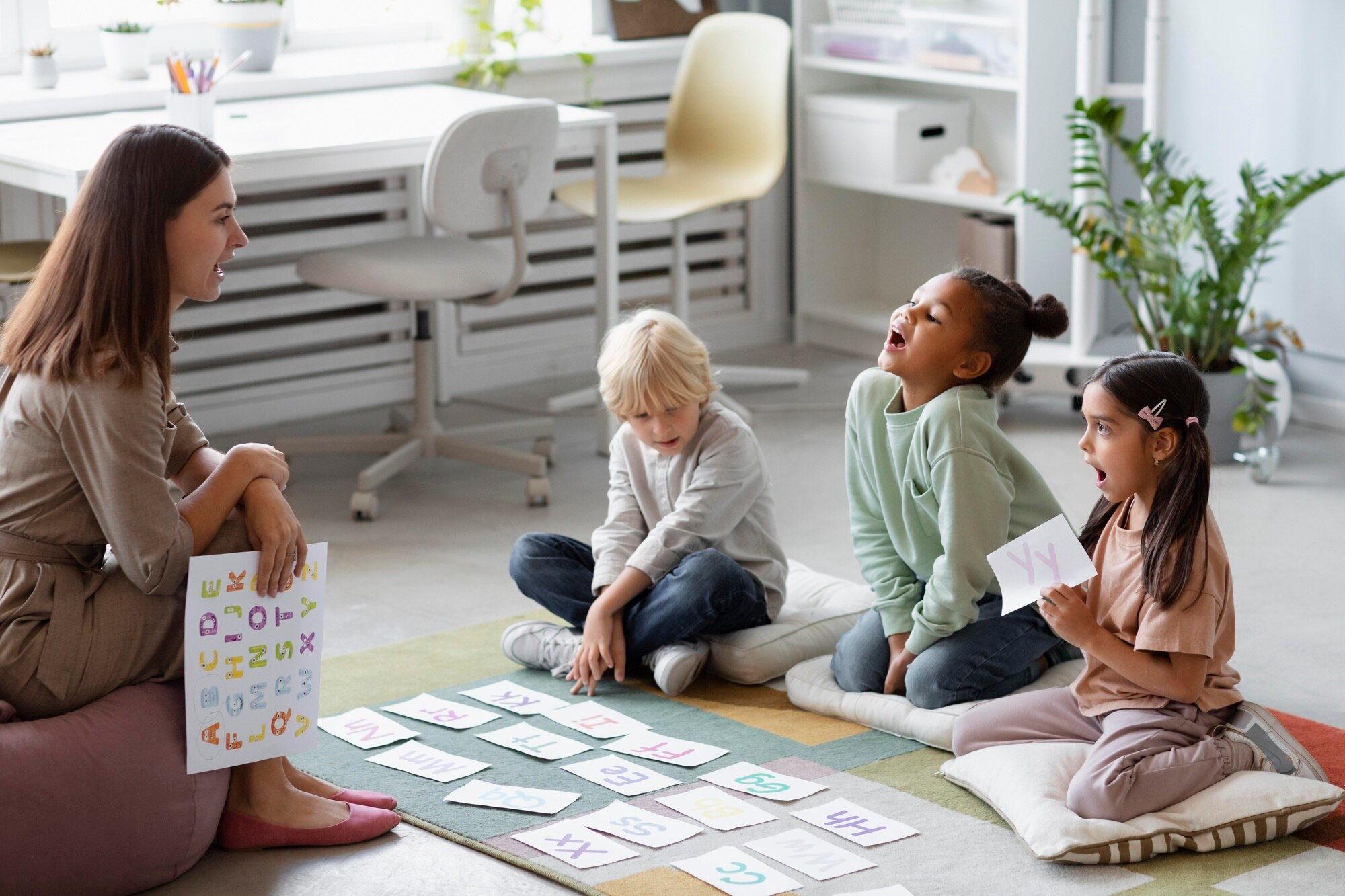
Schools play a crucial role in supporting neurodiverse students. By incorporating inclusive strategies, educators can create a classroom environment that enhances learning for all.
Building a Supportive Classroom Environment
Start by arranging the classroom to accommodate various needs. Some students might prefer sitting at the back to avoid distractions, while others might need to be closer to the board. Offering options like standing desks or bean bags can make a classroom more adaptable. Allowing movement breaks is another effective way to support students’ focus throughout the day. Get more insights here.
Sensory Tools for Educators
Educators can utilise sensory tools such as fidget spinners or stress balls to help students manage energy. Visual aids, like colourful charts, can also assist in maintaining attention. By incorporating these tools, teachers can create a classroom that supports a range of learning styles and needs.
Practical Home and School Support for Everyone
Bridging the gap between home and school is essential. Regular communication between parents and teachers can ensure that strategies are consistent and effective. Sharing successes and challenges helps create a unified approach, fostering an environment where neurodiverse individuals can thrive.
Creating sensory-friendly spaces, both at home and in school, is a journey that benefits everyone involved. By making thoughtful changes and using sensory tools, you can support neurodiverse individuals in feeling calm, focused, and included. 🌟🔍🧩
For further reading, consider checking out the detailed guidelines on creating sensory-friendly environments in various settings. Learn more here.