
Creating Inclusive Classrooms: Empowering Tools and Techniques for Educators
Creating inclusive classrooms isn’t about fitting every student into the same mould—it’s about making sure everyone belongs. Supporting neurodiverse learners means using practical educational tools and teaching techniques that celebrate differences and meet unique needs. In this post, you’ll find clear, compassionate strategies to help you build a classroom where every child feels seen and valued. For more tips on fostering inclusion, check out this link: [https://marymount.edu/blog/strategies-for-inclusive-classrooms-in-special-education/].
Essential Educational Tools
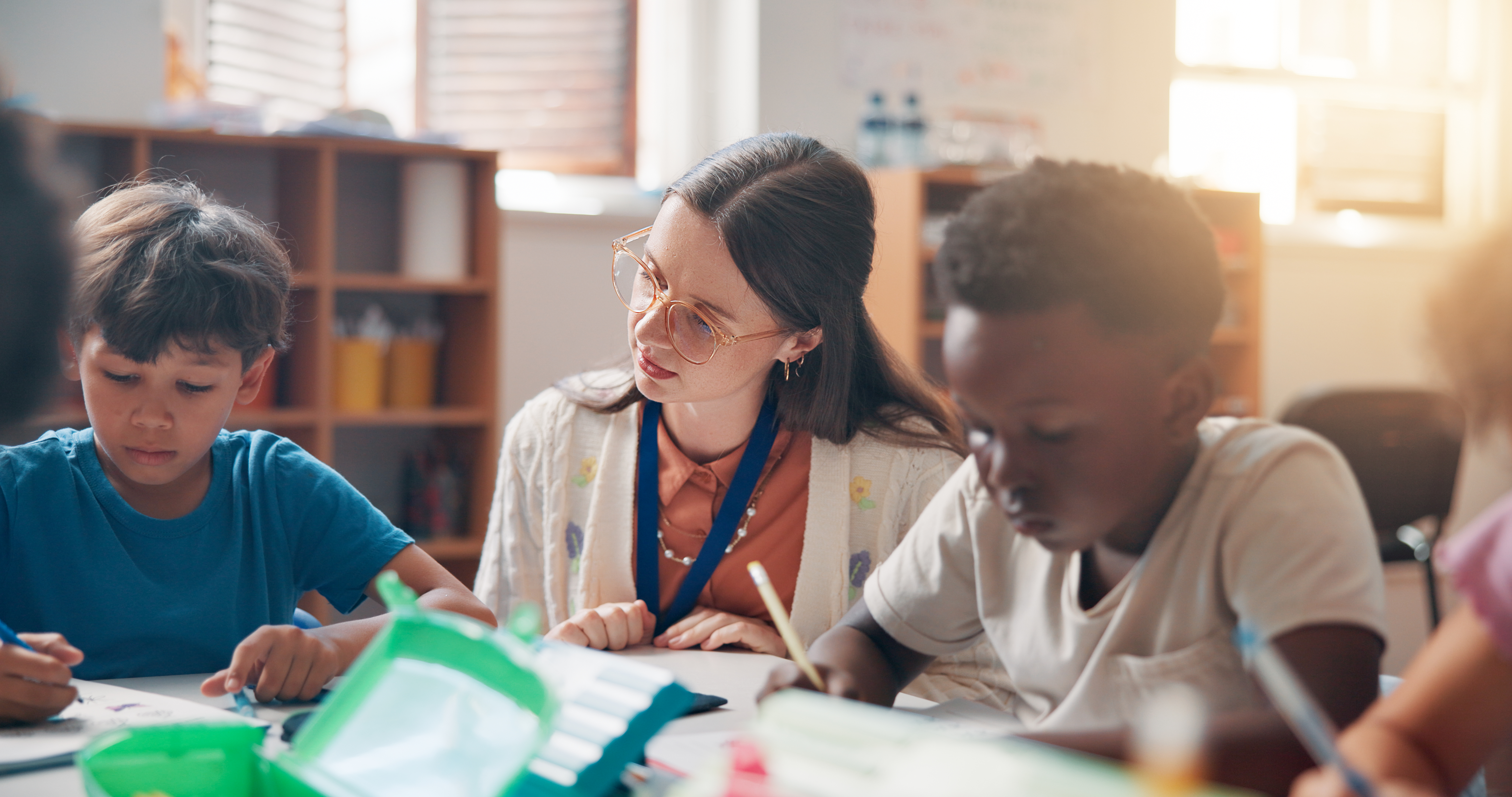
To create an inclusive classroom, you need the right tools. These tools help you meet the diverse needs of your students. Let’s explore some of the most effective resources available today.
Assistive Technology in the Classroom
Assistive technology can open doors for many students. It provides opportunities for learners who might otherwise struggle to keep pace. For instance, voice-to-text software can help students who find writing difficult. This tool lets them express their ideas without the frustration of handwriting or typing. Text-to-speech programs also offer support. These programs read aloud the written word, aiding comprehension for students with reading challenges. Interactive whiteboards can also engage students with different learning styles. They provide a visual and tactile learning experience, making lessons more accessible. By integrating these tools, you create a learning environment where every student can thrive. For more ideas, check out this resource.
Visual Aids for Neurodiverse Learners
Visual aids are powerful in supporting neurodiverse students. They simplify complex ideas, making them easier to understand. Picture schedules, for instance, can benefit students who require structure. These schedules use pictures to outline daily activities, providing clarity and reducing anxiety. Graphic organisers also help. They assist students in structuring their thoughts and ideas. This can be particularly useful during writing assignments. Visual timers are another great tool. They help students manage time effectively, promoting independence and focus. By incorporating these aids, you empower students to engage more fully in their learning journey. To explore more about culturally inclusive classrooms, visit this article.
Teaching Techniques for Inclusion
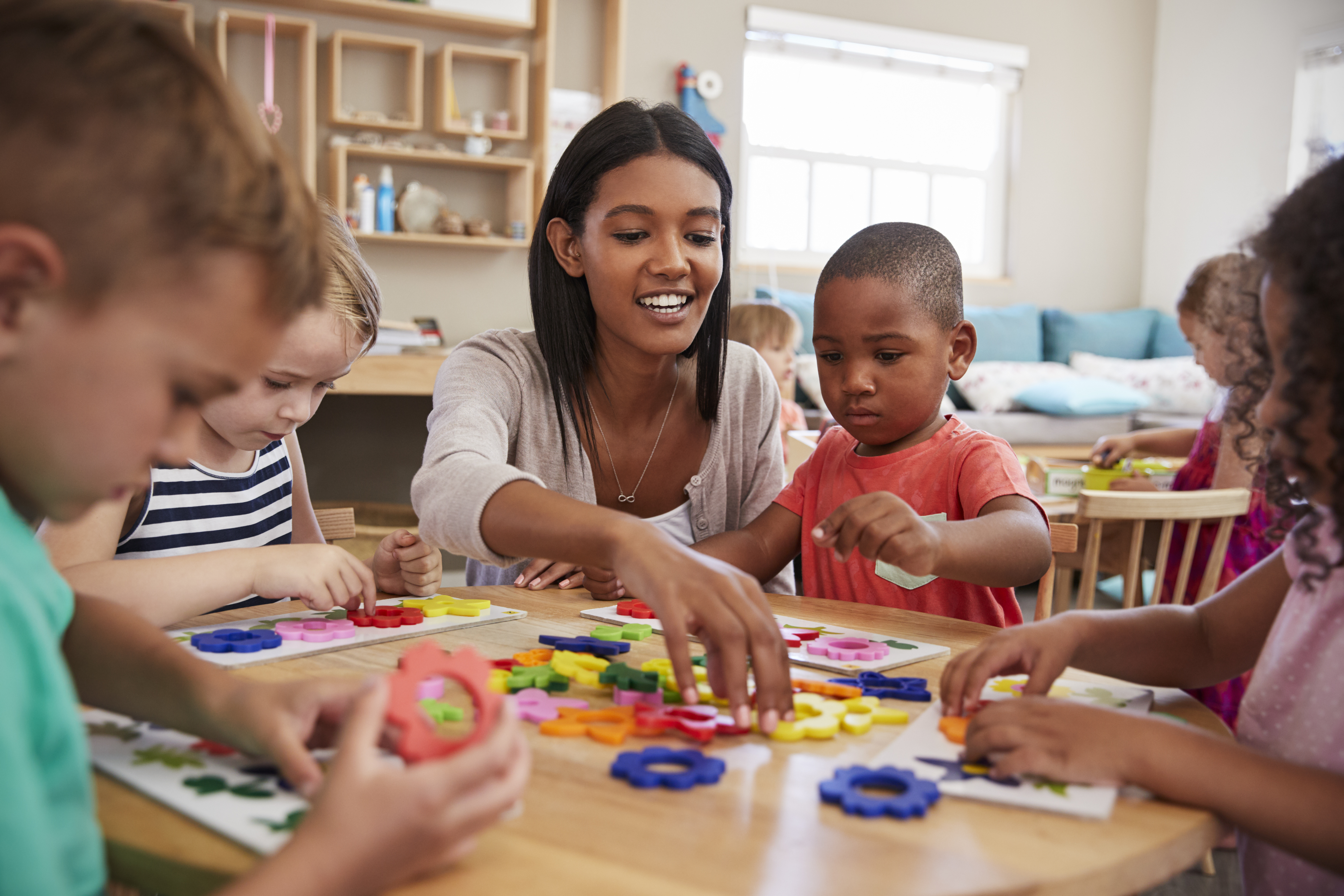
Equipped with essential tools, it’s time to focus on teaching techniques. These methods ensure every student feels included and supported in your classroom.
Personalised Learning Plans
Personalised learning plans are key in an inclusive classroom. They tailor education to meet each student’s unique needs. Start by identifying the strengths and challenges of each learner. Then, set specific goals that cater to their individual needs. Use a variety of teaching methods to address different learning styles. This approach not only supports students but also boosts their confidence. It shows them that you value their unique contributions. By personalising learning, you create a classroom where every student feels valued and motivated to succeed.
Encouraging Peer Support
Peer support is a powerful tool in fostering inclusion. It teaches students to help and learn from each other. Start by creating opportunities for collaboration. Group projects and peer tutoring are great ways to encourage teamwork. These activities help students develop empathy and understand different perspectives. They also provide a platform for students to share their strengths. By nurturing a culture of support, you create a classroom community where everyone feels they belong. For more strategies on building inclusive classrooms, see this blog.
Building a Supportive Environment

With tools and techniques in place, focus on building an environment that supports all students. It’s about creating a space where everyone feels safe and heard.
Fostering Open Communication
Open communication is crucial in an inclusive classroom. It builds trust and understanding among students and teachers. Encourage students to express their thoughts and feelings freely. This can be done through regular class meetings or suggestion boxes. Listening actively to students shows them that their opinions matter. It also helps you understand their needs better. By fostering open communication, you create a supportive environment where students feel valued and respected.
Creating Safe Spaces for All 🌈
A safe space is essential for students to thrive. It’s a place where they can be themselves without fear of judgment. Start by setting clear expectations for behaviour. Make sure that everyone understands the importance of respect and kindness. Decorate your classroom with inclusive materials that celebrate diversity. This can include posters, books, and other resources that reflect the backgrounds of your students. By creating a safe space, you show students that they belong and are accepted for who they are. For more best practices, check out this guide.
Creating an inclusive classroom is a journey. With the right tools, techniques, and environment, you can make a difference in the lives of your students. Remember, every step you take towards inclusion is a step towards a brighter future for all learners.