
Building Resilience and Nurturing Neurodivergent Children: Creative Approaches for Families
Most families of neurodivergent children know the challenges all too well. Finding ways to nurture your child’s unique strengths while building family resilience can feel overwhelming. This guide shares creative approaches that help your family grow stronger together and celebrate differences with confidence. Let’s explore practical nurturing strategies designed with you in mind. For further insights, you can visit this resource.
Creative Approaches for Family Resilience
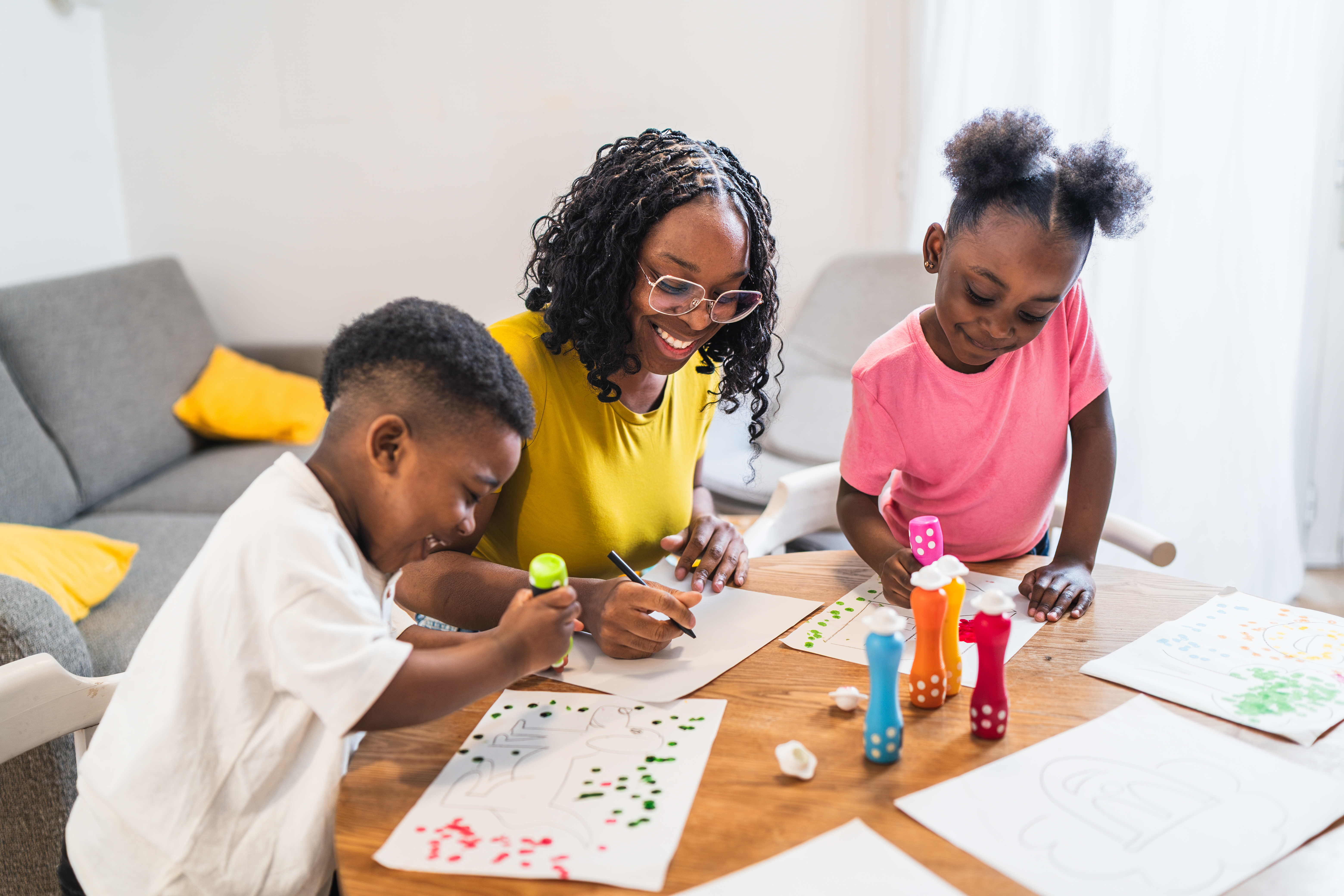
Building family resilience is about finding strength in diversity. By focusing on your family’s unique attributes, you can foster a supportive and encouraging environment. Let’s delve into how you can achieve this.
Embracing Unique Strengths
Recognising and nurturing your child’s unique strengths can be transformative. It starts with understanding what makes them tick. Spend time observing their interests and talents, and engage in activities that bring these to the forefront. For example, if your child loves art, encourage them to explore different mediums and express themselves creatively. This not only boosts their confidence but also helps them feel valued for who they are.
Creating a strengths-based environment involves celebrating successes, no matter how small. Acknowledge achievements with enthusiasm and positivity. This can be as simple as a high-five for solving a puzzle or a special family dinner for completing a project. Such celebrations affirm your child’s abilities and encourage them to pursue their interests further. Most importantly, this approach fosters a positive self-image, laying the groundwork for resilience.
Celebrating Differences Together
Families thrive when they celebrate differences rather than focus on challenges. This involves shifting the perspective from what’s “different” to what’s “special.” Encourage open conversations about diversity and what it means in your family. Share stories of famous neurodivergent individuals who have made significant contributions to various fields. This helps your child see themselves as part of a larger, diverse tapestry of human achievement.
Shared activities are a powerful way to bond and celebrate differences. Consider organising family nights where each member contributes something unique—whether it’s a favourite game, recipe, or music track. This inclusivity not only strengthens family bonds but also teaches acceptance and respect for individual preferences. By fostering an environment where everyone feels heard and valued, you build a family culture that celebrates uniqueness.
Nurturing Strategies for Neurodivergent Children

Once you’ve embraced and celebrated your family’s unique strengths, the next step is to implement nurturing strategies that support your child’s development. This involves creating a supportive environment and using positive reinforcement effectively.
Building a Supportive Environment
A supportive environment is essential for neurodivergent children to thrive. Begin by ensuring that your home is a safe and comforting space. This can include creating a dedicated “calm corner” where your child can retreat when they need a break. Fill this space with sensory-friendly items like soft cushions, fidget toys, and noise-cancelling headphones. These tools can help your child manage stress and feel more in control.
Consistency is key in creating a supportive environment. Establish daily routines that provide structure and predictability. For instance, a visual schedule can help your child understand what to expect each day and reduce anxiety. Additionally, model and teach coping strategies for dealing with difficult emotions. Techniques like deep breathing or counting to ten can empower your child to handle challenges constructively. For more on building resilience, check out this helpful guide.
Encouragement and Positive Reinforcement
Positive reinforcement is a powerful tool in nurturing your child’s growth. The aim is to encourage desired behaviours by rewarding them. Identify specific behaviours you want to reinforce, such as completing homework or sharing with siblings. Use rewards that are meaningful to your child, whether it’s extra playtime, a favourite snack, or a sticker chart leading to a larger reward.
Consistency in reinforcement is crucial. Ensure that rewards are given immediately after the desired behaviour to reinforce the connection. Over time, this helps your child understand the benefits of their actions and motivates them to repeat positive behaviours. Remember, the goal is not just to reward but to build internal motivation and self-discipline. By focusing on positive reinforcement, you nurture a sense of accomplishment and pride in your child.
Inclusive Support from the School of Neurodiversity

To further support your journey, the School of Neurodiversity offers tailored resources and a welcoming community. These can provide invaluable support for your family.
Tailored Resources for Every Family
The School of Neurodiversity is dedicated to providing resources that cater to the specific needs of neurodivergent families. These resources range from expert assessments to practical tools that can be implemented at home and school. For instance, personalised strategies might include visual aids for learning or sensory-friendly activity suggestions. By tailoring these resources to your family’s needs, the School of Neurodiversity ensures you have the support required to help your child thrive.
Moreover, the organisation offers access to expert consultations. This allows you to discuss your child’s unique challenges and receive professional guidance on how best to address them. The emphasis is on creating a collaborative approach that empowers you and your child. For practical insights, explore this resource.
Joining a Supportive Community 🌟
Being part of a supportive community can make a world of difference. The School of Neurodiversity offers a platform where families can connect, share experiences, and support one another. This community provides a sense of belonging and understanding, where everyone is committed to celebrating neurodiversity.
Engaging with this community allows you to learn from others facing similar challenges. You can exchange tips, advice, and stories of success. These interactions not only offer emotional support but also inspire confidence and optimism. By joining this community, you and your family can feel less alone and more empowered in your journey.
In conclusion, nurturing neurodivergent children involves embracing their unique strengths, fostering a supportive environment, and engaging with a community that values inclusion. These creative approaches equip families with the tools to build resilience and celebrate the beauty of diversity.