
The neurodiversity assessment process explained for families in 2026
The path to a neurodiversity assessment can feel overwhelming, especially with so many questions about what to expect. In 2026, the process for ADHD, autism, dyslexia, and dyscalculia assessments in the UK has become clearer and more person-centred. This guide will walk you through each step, from NHS and private options to practical tips that help you feel confident and supported every step of the way. Let’s make sure your family knows exactly what lies ahead. For more insights on the neurodiversity journey, visit this comprehensive guide.
Understanding the Neurodiversity Assessment Process
The journey to understanding neurodiversity can be complex, but knowing what lies ahead makes it manageable. Let’s explore what you can expect in 2026.
What to Expect in 2026
In 2026, the neurodiversity assessment process is more streamlined and supportive than ever. Families will find a more personalised approach, making the path clearer and less daunting. The focus is on ensuring you feel confident about each step.
The neurodiversity assessment process includes steps designed to identify and support unique needs. These steps ensure that each individual’s strengths and challenges are understood in a caring environment. You can expect shorter waiting times and more accessible services across the UK.
For more on what families need to know, visit this link.
NHS vs Private Assessment UK
Choosing between NHS and private assessments can be tough. Both have pros and cons. NHS assessments are free but might involve longer waiting times. Private assessments offer speedier results but come with a price tag. Consider your needs and timing when deciding.
NHS assessments might work well if you can wait and need a cost-effective option. For quicker results and personalised service, private assessments might be better. The choice depends on what suits your family’s situation and urgency.
Learn more about neurodiversity practices by visiting this resource.
Screening vs Diagnosis
Screening and diagnosis serve different purposes. Screening often acts as a preliminary check to see if further assessment is needed. It can be a quick way to identify potential issues. Diagnosis, on the other hand, provides a detailed understanding of specific needs.
Screening can be done at schools or by healthcare providers. It’s less comprehensive than a diagnosis but can guide you on whether a full assessment is necessary. Diagnosis involves a detailed evaluation by specialists, offering insights into the specific neurodiversity type.
For further reading on this topic, check this article.
Steps in the Assessment Journey
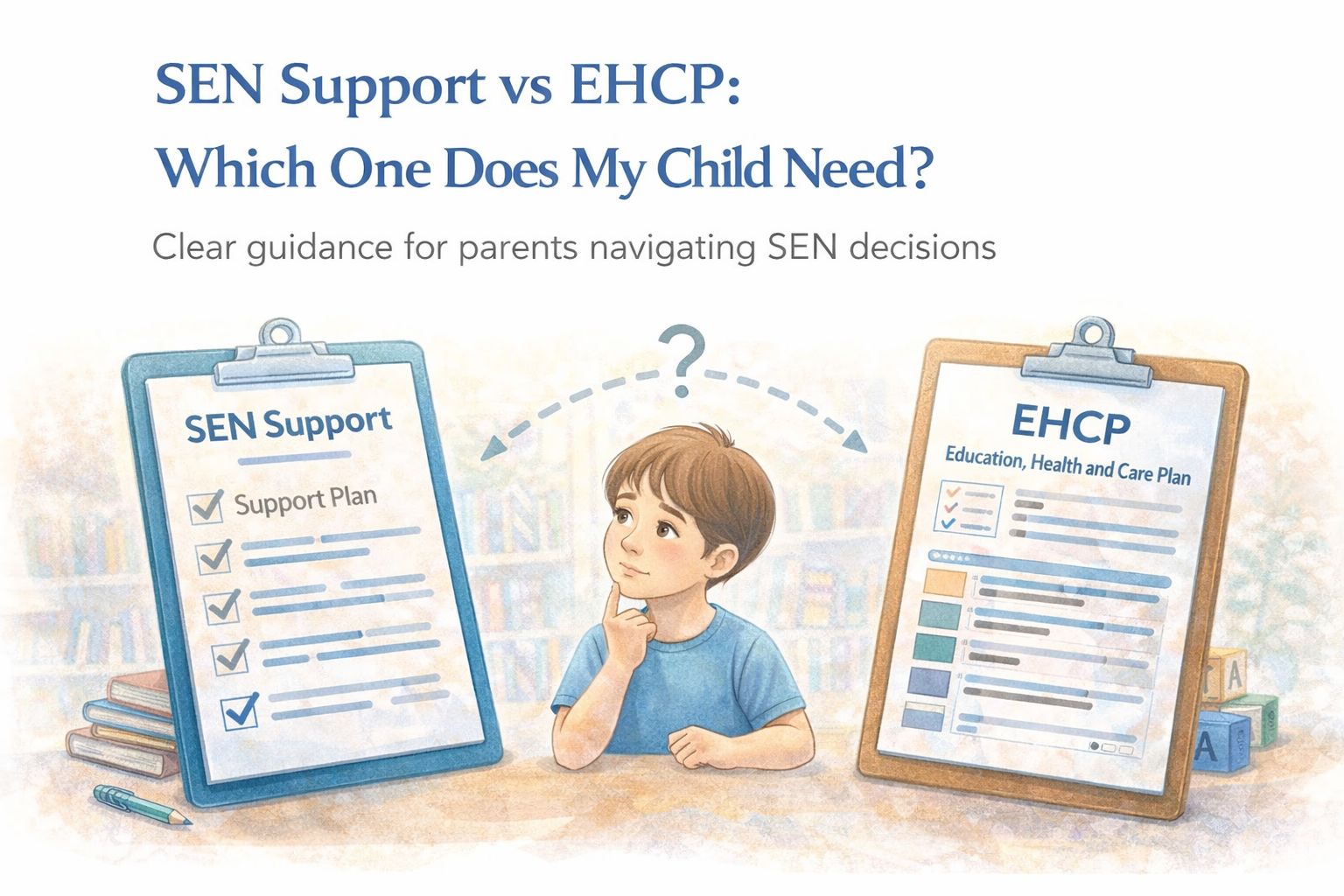
Embarking on an assessment journey involves several stages, each crucial in understanding neurodiversity. Here’s what to expect at each phase.
Before the Assessment
Preparation is key before an assessment. Gather all relevant documents, like school reports and medical records. These help professionals understand past challenges and successes.
Communicate with schools and teachers, as their observations can provide valuable insights. Share any concerns you have about your child’s behaviour or learning patterns. Preparing questions in advance can also help you feel ready for the assessment meeting.
During the Assessment
During the assessment, professionals will engage with your child through interviews, observations, and tests. This process helps them understand specific needs and strengths. It’s normal to feel nervous, but remember, the goal is to gain a clear understanding to provide the best support.
Your involvement is crucial. Offer insights about your child’s daily life, interests, and any concerns. This collaboration can lead to a more accurate and helpful assessment outcome. Keep communication open and honest for the best results.
After the Assessment
After the assessment, you’ll receive a report outlining findings and recommendations. This document is vital for accessing further support, such as educational plans or therapy options.
Discuss the results with professionals to understand the next steps. Use this information to seek appropriate resources and support for your child. It’s a time to explore opportunities that help your child thrive academically and socially.
Preparing for a Successful Assessment
Success starts with preparation. Being well-prepared ensures you get the most from the assessment process. Let’s explore some practical steps.
Practical Tips for Families
Families play a crucial role in the assessment process. Here are some tips to help you prepare:
-
Document Everything: Keep a record of behaviours, challenges, and achievements.
-
Ask Questions: Clarify any doubts you may have before the assessment.
-
Stay Positive: Encourage your child by focusing on their strengths.
Communicating with Schools
Effective communication with schools is important. Schools can provide observations that enrich the assessment process. They might notice behaviours or learning patterns that occur in classroom settings.
Work with teachers to share insights and observations. Regular communication ensures that everyone is on the same page and working towards the best outcomes for your child. This partnership is key to supporting your child’s educational journey.
Accessing Post-Diagnostic Support
After diagnosis, accessing the right support is vital. Look into tailored strategies and resources that can help. This might include therapy, educational plans, or support groups.
Explore community resources and connect with others who understand your journey. Support groups can offer valuable advice and a sense of belonging. Together, these resources empower you to advocate for your child’s needs effectively.
For more about neurodiversity, explore this insightful blog.
Empowering your family with knowledge and support is the first step towards a successful assessment process. Remember, you’re not alone on this journey.