
Recognising neurodivergent traits early in children: a caring guide for parents and carers
Spotting early signs of autism in children UK or other neurodivergent traits can feel overwhelming. You might wonder which behaviours are part of typical child development and which deserve a closer look. This guide helps you recognise neurodivergent traits with confidence, offering gentle, practical steps for home, nursery, and school. Let’s walk this path together, knowing expert assessments and compassionate support are here for you and your child. For more information, you can explore this guide for parents.
Understanding Early Neurodivergent Traits

Spotting early neurodivergent traits can feel daunting, but understanding these signs helps you provide better support. Let’s explore what’s typical and what might need your attention.
Typical vs. Concerning Behaviours
Children develop in their own unique ways. Some behaviours might seem unusual but are just part of their growth. For instance, a child might have a strong interest in specific topics. This is typical but should be observed if it becomes all-consuming.
-
Typical: Occasional tantrums and mood swings.
-
Concerning: Tantrums that seem extreme or last a long time.
Understanding these differences helps you support your child better. If in doubt, consulting resources like this parent guide can be reassuring.
Common Signs of Autism in Children
Recognising autism early can make a big difference. Some children might prefer playing alone or have strong reactions to sounds. These could be early signs of autism.
-
Difficulty with eye contact.
-
Repetitive movements or phrases.
If you notice these signs, consider speaking to an expert. Early intervention is key, and more detailed insights can be found in this comprehensive guide.
Recognising ADHD in Children
ADHD can present as bursts of energy or challenges with concentration. It’s not just kids being hyperactive; it’s how their brains process information.
-
Short attention spans, easily distracted.
-
Impulsivity, acting without thinking.
Understanding these signs helps you engage with your child meaningfully. For more insights, explore ADHD in children for practical guidance.
Practical Steps for Parents and Carers
Knowing what to look for is just the start. Here’s how you can create a nurturing environment for your child, from home to school.
Creating a Supportive Home Environment
Your home is a safe space for your child to grow. Here are simple ways to support them:
-
Routine: Establish a daily routine to provide stability.
-
Sensory Needs: Create a calm space with comfortable lighting and sounds.
Being consistent and attentive to their needs builds confidence. This resource offers more tips on creating supportive environments.
Engaging with Early Years Staff and Teachers
Partnership with educators enriches your child’s experience. Here’s how you can work together:
-
Share insights about your child’s strengths and challenges.
-
Discuss specific goals and strategies to use in class.
Regular communication ensures your child receives the right support. This collaboration is crucial for their development.
Navigating Expert Assessments UK
Professional assessments offer clarity and direction. Here’s how to approach them:
-
Research: Familiarise yourself with available assessments.
-
Prepare: Gather observations and any reports from teachers.
Choosing the right experts can make a big difference. Remember, you’re not alone; expert guidance is available to help you navigate the process.
Building an Inclusive Community
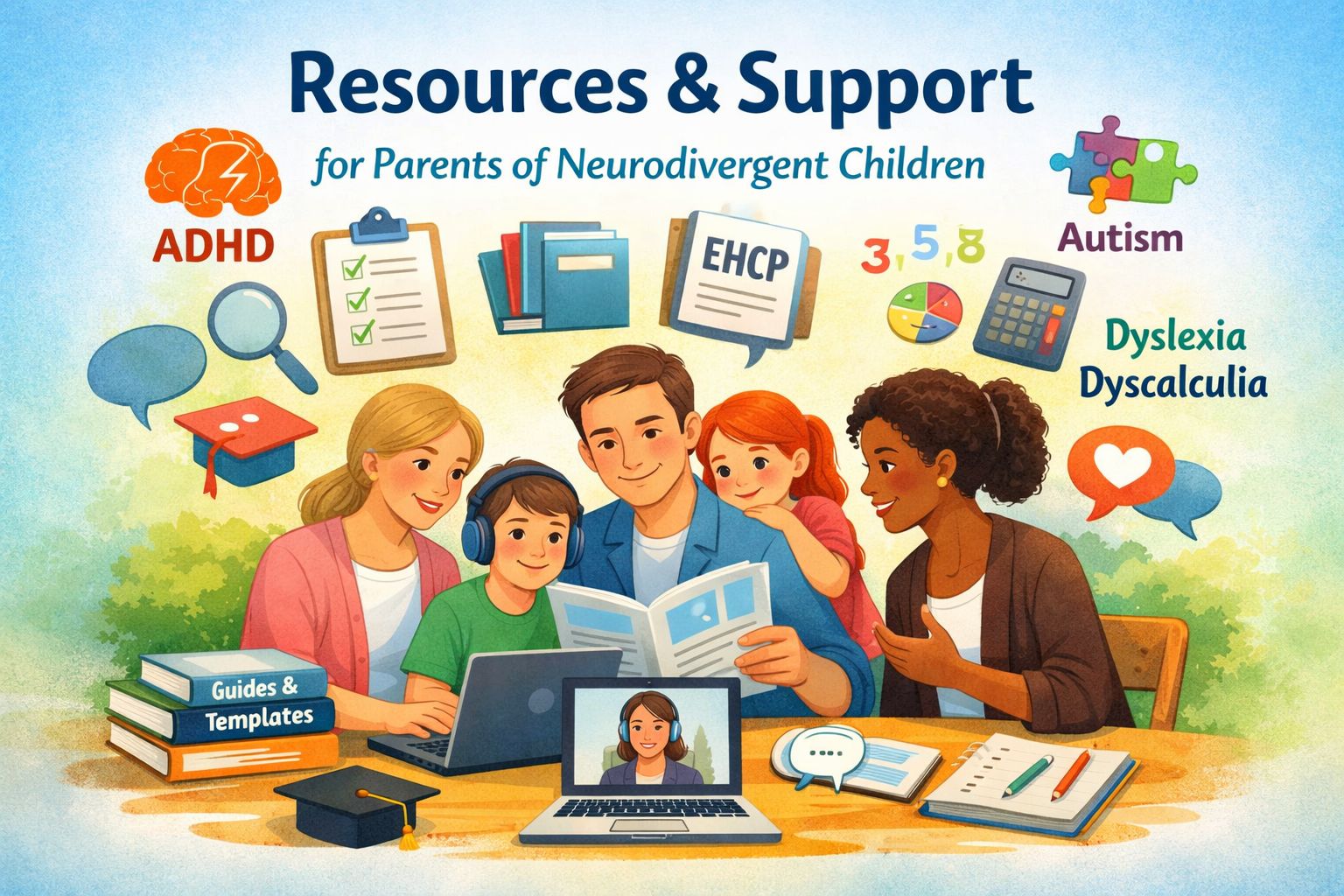
Creating an inclusive community benefits everyone. Learn how to promote understanding and respect in educational spaces.
Inclusive Classroom Strategies
Inclusive strategies empower all students. Teachers can:
-
Use visual aids and varied teaching methods.
-
Foster a classroom culture of respect and understanding.
Incorporating these strategies leads to a more engaging learning experience.
Understanding Masking in School Children
Some children might hide their true selves to fit in. Recognising masking helps you support them authentically.
-
Encourage self-expression in safe environments.
-
Validate their feelings and provide reassurance.
Understanding and addressing masking can reduce stress and help them thrive.
SENCO Guidance and Support
SENCOs are key allies in supporting neurodivergent children. They can:
-
Develop tailored learning plans.
-
Coordinate with teachers and parents for consistent support.
Their expertise ensures that your child’s needs are met effectively. Collaborating with SENCOs can make a significant impact.
🌟
In this journey, your awareness and proactive approach pave the way for your child’s success. By recognising traits early and taking practical steps, you foster an environment where they can thrive. Let’s continue to build understanding and acceptance, ensuring every child feels valued and supported.