
Creating sensory‑friendly spaces at home and school: practical tips that help everyone
Sensory challenges can make everyday spaces feel overwhelming for many children and adults. Creating a sensory‑friendly environment isn’t about perfection—it’s about simple changes that help everyone feel safe and supported. In this guide, you’ll find easy steps to set up calming corners, use visual timetables, and choose tools that support sensory regulation at home and school. Let’s make sure everyone belongs, with spaces that truly celebrate differences. For more information, check out this guide on sensory-friendly spaces.
Creating Sensory‑Friendly Home Spaces

Creating a home that supports sensory needs can transform daily life. These simple, effective changes help everyone feel more at ease.
Adjusting Lighting and Sound
Gentle lighting and controlled sound can make a huge difference. Soft, adjustable lights help create a calming atmosphere. You might try dimmable lamps or fairy lights. Sounds matter too. Consider soundproofing rooms or using white noise machines to block out distractions. Ear defenders can also be handy for reducing noise levels and are available in many stores. Learn more about creating a sensory-friendly space.
Setting Up a Calming Corner
A calming corner provides a safe retreat when things get overwhelming. Choose a quiet spot in your home and fill it with comforting items. Soft cushions, weighted blankets, and favourite books can make this space inviting. Adding sensory toys or tools such as stress balls or fidget spinners can also help. This space should promote relaxation and provide a sense of security.
Low-Cost Ideas for Sensory Regulation
Implementing sensory-friendly solutions doesn’t have to break the bank. You can use everyday items creatively. A box of rice can serve as a tactile experience, while a simple bean bag chair offers a snug seating option. Try DIY playdough or homemade sensory bottles filled with glitter and water. These low-cost ideas can provide effective sensory regulation at home. Explore more sensory room ideas.
Designing Sensory‑Friendly Classrooms
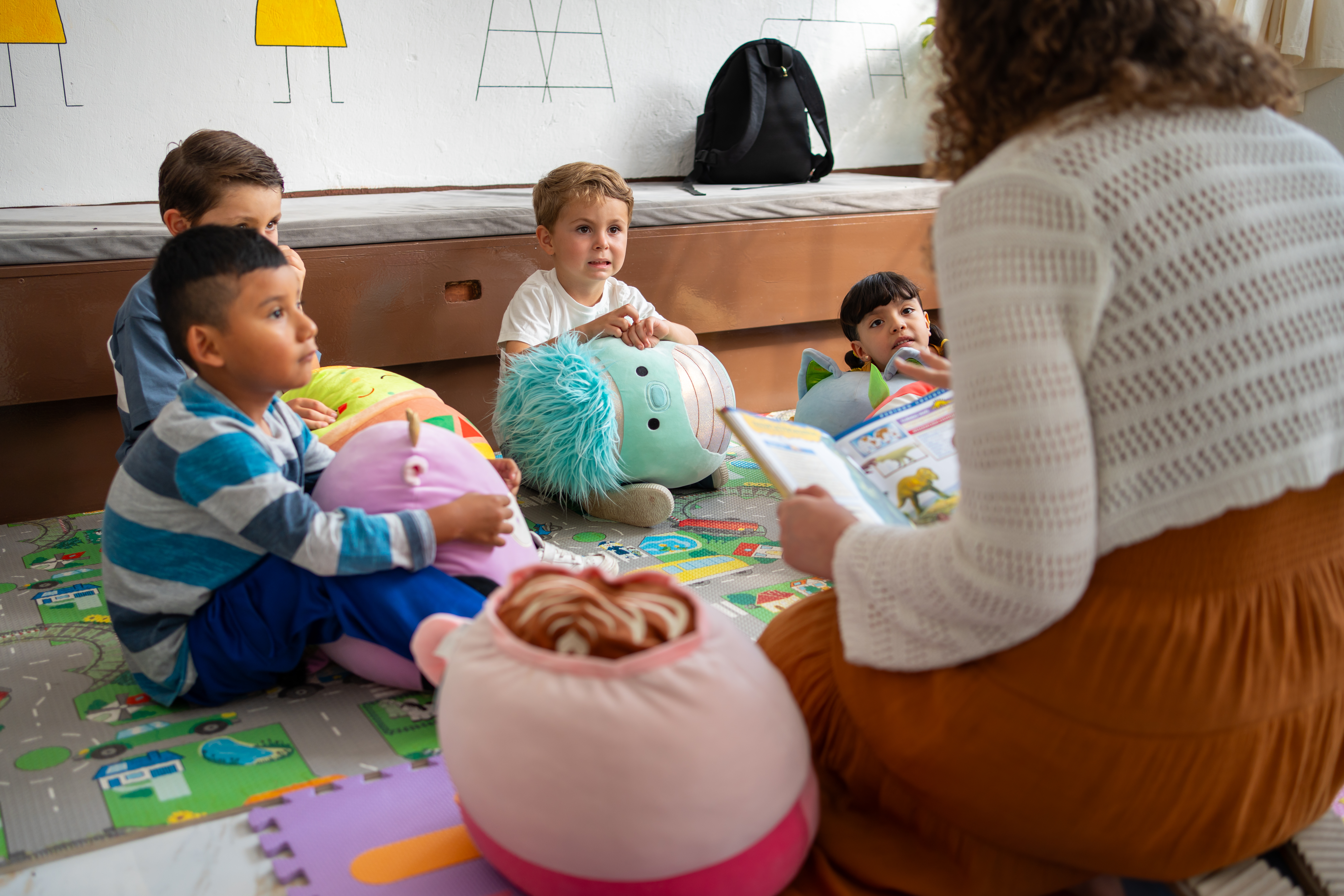
Creating inclusive classrooms is key to supporting diverse learners. Small changes can create big impacts, fostering an environment where everyone can thrive.
Using Visual Timetables and Supports
Visual timetables help students understand their day. They reduce anxiety by providing clear expectations. Use pictures and words to represent activities, making it easier for children to follow along. These tools are particularly helpful in supporting students with autism or ADHD. They ensure everyone knows what to expect and when.
Incorporating Movement Breaks
Movement breaks are essential for maintaining focus and energy. Short, structured breaks allow students to stretch, move around, and refresh their minds. These breaks can involve simple exercises or interactive activities. Regular movement helps with sensory processing and can improve concentration throughout the day.
Choosing Seating and Fidget Tools
Flexible seating options and fidget tools can help students focus better. Consider using wobble chairs, bean bags, or standing desks to accommodate different preferences. Fidget tools like stress balls or fidget cubes can aid concentration without causing distractions. These options foster an inclusive classroom where every student feels supported. Discover more ways to create sensory-friendly spaces.
Practical Tips and Resources
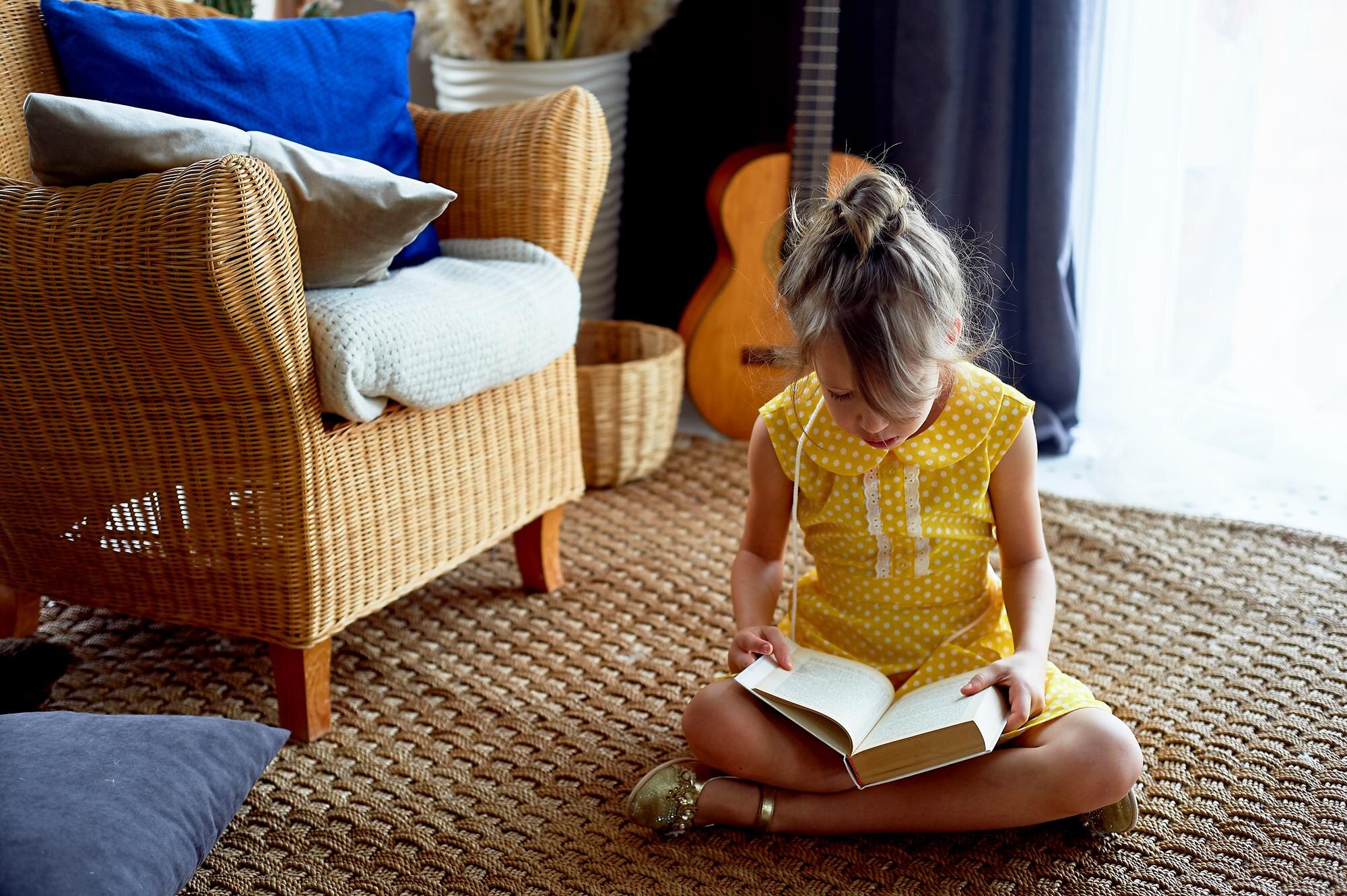
Practical strategies can offer significant help in daily routines. These tips are designed to support various needs effectively.
Behaviour Support and ADHD Strategies
Understanding behaviour is key to support. Clear expectations and consistent routines help manage behaviours effectively. Use visual supports and positive reinforcement to guide choices. For those with ADHD, structured environments and checklists can aid organisation and focus. Regular feedback and encouragement boost confidence and motivation.
Colour Overlays and Dyslexia Friendly Techniques
Colour overlays can be game-changers for those with dyslexia. They help reduce visual stress and improve reading ability. Experiment with different colours to find the best match. Additionally, using dyslexia-friendly fonts and providing audio versions of text can make learning more accessible.
Free Sensory‑Friendly Spaces Checklist
Having a checklist ensures you’ve covered all bases in creating a sensory-friendly space. This resource includes lighting, sound, seating, and sensory tool options. It helps you track what you have and identify any gaps. A practical tool for both home and school, this checklist supports creating environments where everyone belongs. Explore more about creating sensory environments.
By implementing these strategies, families and educators can create spaces that truly celebrate differences. Ensuring everyone feels welcome and supported is the first step to a more inclusive world.