
Creating Calming Routines for Neurodivergent Children: Strategies for Home and School
Calming routines can feel like a puzzle when supporting neurodivergent children, especially across home and school settings. You want strategies that truly help your child feel steady and understood, not just quick fixes. This guide offers clear, inclusive techniques to build calming routines that bring comfort and confidence every day. Let’s explore practical support strategies designed with your child’s unique needs in mind. For more insights, visit this link.
Understanding Neurodiversity

Neurodiversity is more than just a term; it’s a way to appreciate the variety in how minds work. Understanding these differences helps us create inclusive spaces.
Embracing Differences
Every child’s mind is unique, offering distinct ways to perceive the world. For example, one child with autism might find solace in structured environments, while another may thrive with flexible routines. Recognising these differences allows you to tailor support, ensuring every child feels valued. It’s about noticing the quiet strengths that neurodivergent children display daily. By appreciating these, you foster a nurturing environment where your child can flourish.
Celebrating Unique Strengths
Celebrating strengths involves highlighting what each child excels in. Neurodivergent children often show incredible abilities in specific areas like pattern recognition or creativity. By focusing on these strengths, you empower them to build confidence. Imagine a child who loves puzzles; their ability to see solutions others might miss is something to cherish. Encouraging these skills not only boosts self-esteem but also reinforces their sense of belonging. When you celebrate what makes them unique, you help them see their place in the world as something to be proud of.
Building Calming Routines at Home
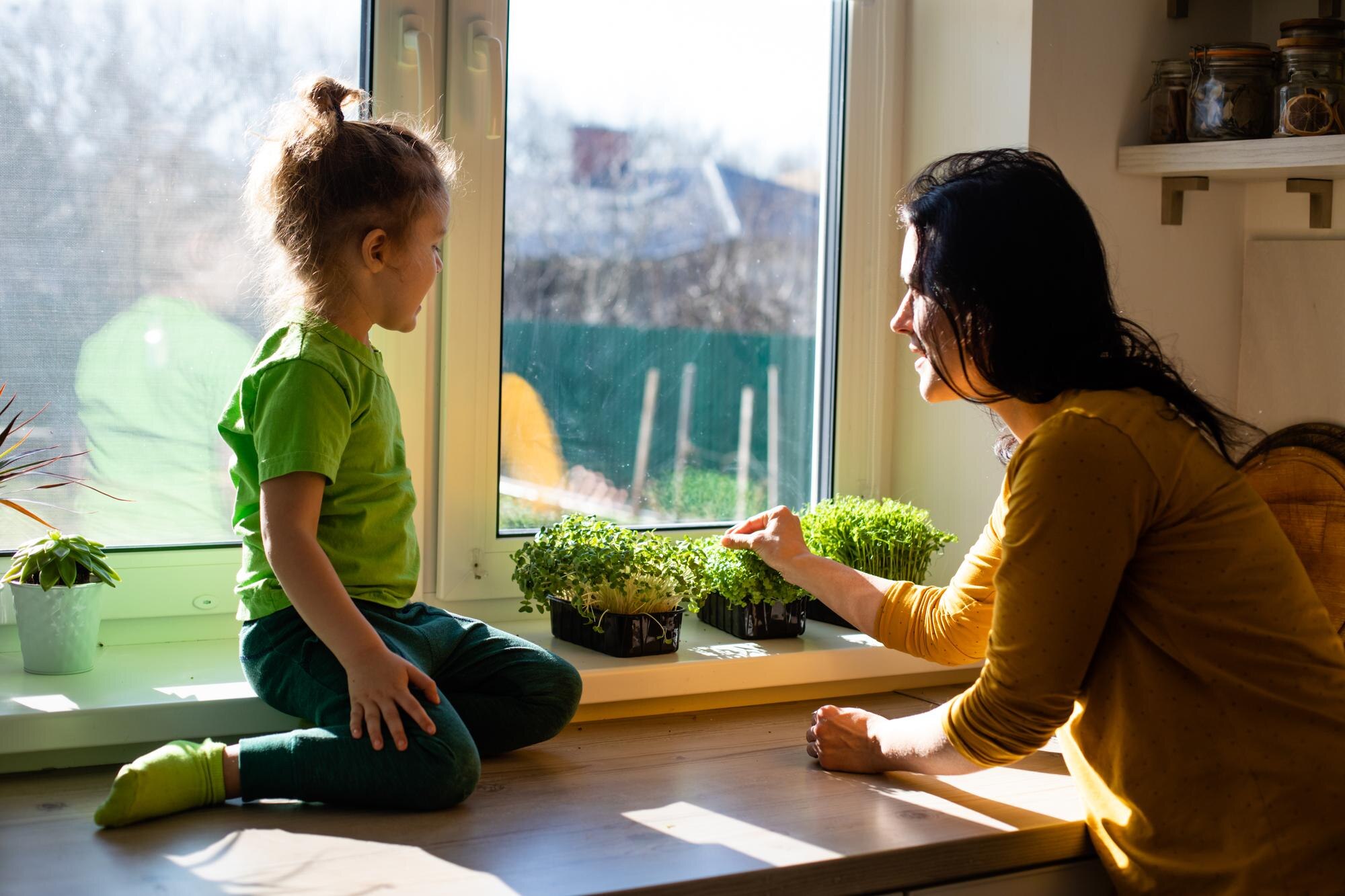
Creating calming routines at home serves as the foundation for stability. These routines should be comforting and cater to your child’s sensory needs.
Creating a Safe Space
Designing a safe space begins with understanding your child’s preferences. Consider what makes them feel secure. Soft lighting, favourite toys, or gentle music can make a difference. You could use a corner of a room with these elements to create a sanctuary. This is where your child can retreat when feeling overwhelmed. Safe spaces reduce anxiety, providing a sense of security. A consistent environment where they know they can relax is crucial. Learn more about creating a calm home environment.
Engaging All Senses
Engaging senses actively involves using items that your child is drawn to. Some children respond well to tactile toys, while others might prefer visual stimuli like lights or mobiles. Introduce different sensory play activities, such as water beads or soft fabrics, to see what resonates. When senses are engaged positively, it helps in calming the mind. This approach can be a game-changer. Offering a variety of sensory options keeps routines fresh and prevents boredom, making your child more likely to respond positively.
Implementing Strategies in School

School routines require inclusive strategies that cater to diverse learning needs, ensuring every child has the chance to succeed.
Inclusive Techniques in the Classroom
In the classroom, inclusive techniques are key. Teachers play a vital role in adapting lessons to suit different learning styles. For instance, using visual aids or interactive activities can help neurodivergent children engage better. Regular breaks can also aid concentration. By fostering an inclusive learning environment, teachers ensure that no child feels left out. Most people think traditional methods work best, but neurodivergent children often thrive with adaptive teaching. Explore more inclusive strategies here.
Partnering with Educators
Partnering with educators involves ongoing communication between parents and teachers. Regular meetings help in exchanging insights on what works best for your child at home and in school. Sharing successful strategies can lead to consistent support across environments. When educators and parents collaborate, it builds a robust support network around the child. This partnership ensures that efforts at home align with those in school, creating a seamless support system. Tips for establishing routines in school.
🌈
By understanding and celebrating neurodiversity, and creating supportive routines at home and school, you empower your child to navigate the world confidently. These strategies are not just about calming; they’re about building a foundation for lifelong resilience and happiness.