
Creating Sensory-Friendly Spaces: A Guide for Supporting Neurodivergent Minds
Creating sensory-friendly spaces can feel overwhelming when you want the best for your neurodivergent child or learner. Small changes make a big difference in how comfortable and supported they feel every day. In this guide, you’ll find clear sensory strategies to help build inclusive environments where everyone belongs and can thrive. Learn more about creating sensory-friendly environments here.
Understanding Sensory-Friendly Spaces

Creating spaces that support neurodivergent individuals involves understanding their unique needs. You might wonder how to start this journey. It begins with recognising the importance of support and inclusion.
Importance of Neurodivergent Support
Supporting neurodivergent individuals is key to their comfort and success. Imagine a child who feels overwhelmed by loud noises or bright lights. By providing quieter, calming spaces, you help them feel safe and engaged. Neurodivergent support extends beyond just removing stressors. It’s about fostering environments where unique minds can shine. Many parents and educators find that when they prioritise sensory-friendly spaces, children are more focused and happier. This support doesn’t just benefit the individual; it enriches the community by embracing diverse abilities.
Creating Inclusive Environments
Inclusive environments celebrate differences, allowing everyone to thrive. Picture a classroom where each student’s needs are met. This doesn’t mean lowering standards; it means providing the right tools. In these spaces, students learn at their own pace. Teachers can use visual aids and alternative seating arrangements to help diverse learners. When you create such an environment, you’re not just accommodating; you’re empowering. Students feel seen and valued, leading to more meaningful participation and learning. By fostering inclusivity, you create a space where everyone belongs.
Practical Sensory Strategies
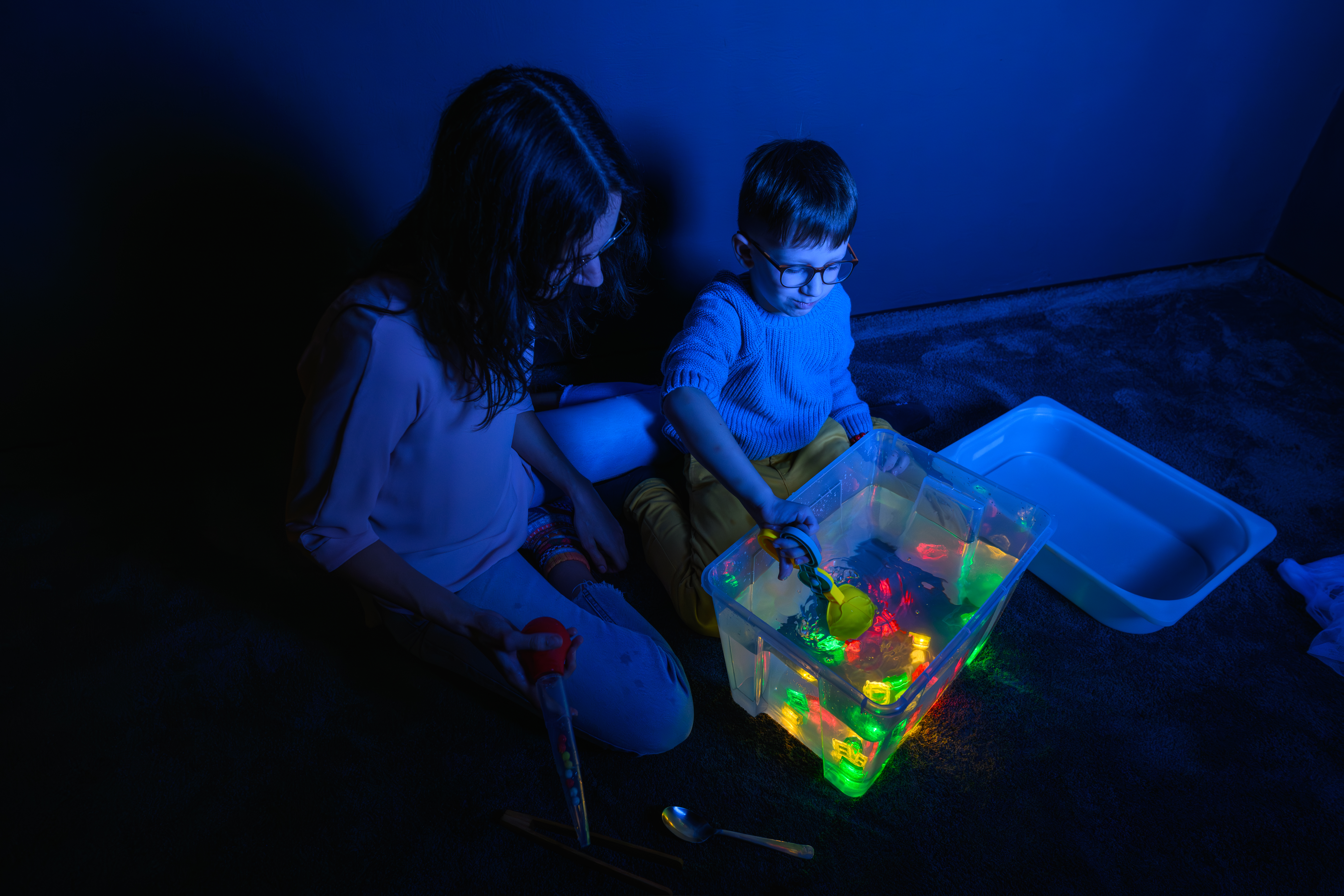
Let’s explore some practical strategies to make your home and classroom more sensory-friendly. These adjustments might seem small, but they can make a huge impact.
Adapting Home Spaces
Your home can be a haven for neurodivergent individuals with a few thoughtful changes. Start by considering the lighting. Soft, natural light can be soothing. Avoid harsh fluorescents, which might be overwhelming. Next, think about textures. Provide a variety of fabrics in seating and bedding to offer comfort. In the living room, create a quiet corner. This space, with noise-cancelling headphones or a weighted blanket, can serve as a retreat during overwhelming moments. Discover more ideas for home adaptations.
Classroom Adjustments for Comfort
Classrooms can be vibrant spaces for all learners with the right adjustments. Start by offering flexible seating options, like bean bags or standing desks. This helps students choose what feels best for them. Additionally, use visual schedules to aid those who benefit from routine. These simple charts show the day’s activities, providing predictability. Incorporate sensory breaks throughout the day. Short pauses for stretching or deep breathing can refresh students’ focus. Educators often find that small changes lead to big improvements in behaviour and learning. Explore more classroom strategies here.
Building a Supportive Community

Creating sensory-friendly spaces is just the beginning. Building a supportive community ensures lasting impact and inclusion.
Celebrating Neurodiversity
Celebrating neurodiversity means recognising and valuing all types of thinkers. Each person brings unique strengths and perspectives. By highlighting these differences, we challenge common misconceptions. For instance, some might think neurodivergent individuals can’t excel in certain areas. Yet, many thrive in creative and analytical fields. Celebrating these successes fosters respect and understanding. It’s about shifting focus from limitations to possibilities. Learn how communities are embracing neurodiversity.
Connecting with Like-Minded Individuals
Connecting with others on the same journey provides support and encouragement. Join local or online groups focused on neurodiversity. These communities offer a space to share experiences and resources. They remind you that you’re not alone. Collaborate with other parents and educators to create inclusive events. This shared effort builds a network of understanding and support. By connecting with like-minded individuals, you strengthen the movement toward broader acceptance and inclusion. Discover ways to engage with similar communities.
🌟
Creating sensory-friendly spaces and communities is a step toward inclusivity and understanding. By making these changes, you empower neurodivergent individuals to feel comfortable and valued. Embrace this journey and watch how small changes lead to big transformations.