
3 Quick Routines to Help Neurodivergent Kids Feel Calm and Confident
Neurodivergent children often face moments when the world feels overwhelming and confidence wavers. Finding simple calm routines can make all the difference in helping them feel steady and sure of themselves. Here, you’ll learn three quick, easy routines focused on sensory regulation, emotional support, and confidence building—designed to fit naturally into your day and celebrate every child’s unique strengths. Explore more calming strategies here.
Sensory Regulation Techniques
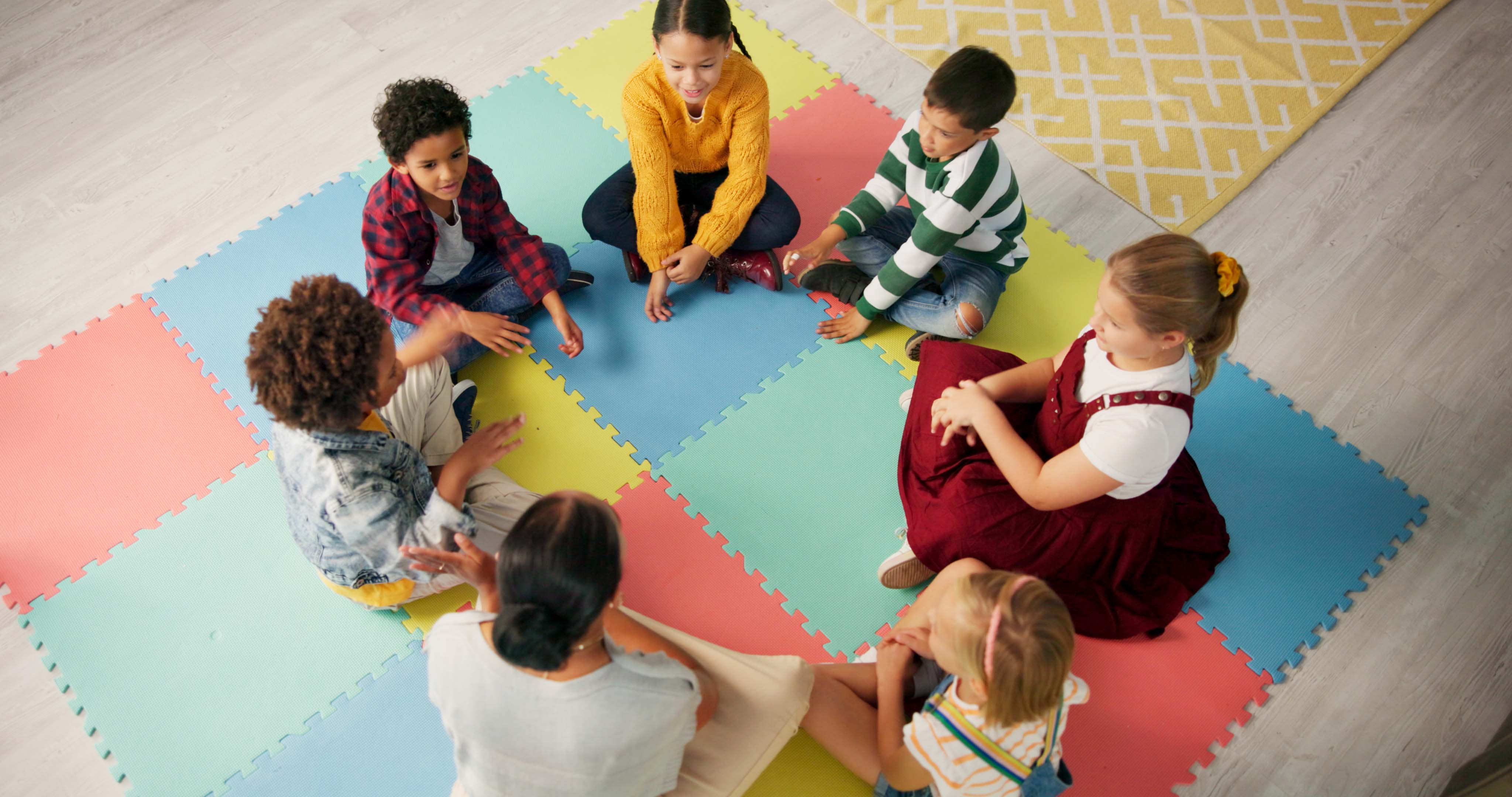
Helping your child manage their senses can provide a foundation of calm and assurance in their daily life. Here’s how you can get started with a few practical methods.
Creating a Calm Corner
Imagine a space where your child feels completely at ease. You can make this a reality by setting up a calm corner in your home. Choose a quiet spot, add some soft cushions, and let your child pick a few favourite items that comfort them. This could include a blanket or a small toy. The calm corner becomes a personal retreat where they can go to reset when things get too loud or busy.
Having this dedicated space empowers your child to manage their emotions more effectively. They learn to recognise when they need a break and have a safe place to do so. This simple setup can make a big difference in their ability to self-regulate. For more ideas, check out these calming strategies.
Engaging the Senses
Using sensory activities can help ground your child and offer immediate comfort. Try incorporating activities like playing with textured materials such as playdough or kinetic sand. These materials provide a tactile experience that can be soothing. Likewise, listening to calming music or nature sounds can offer auditory relief.
You might also consider incorporating scents like lavender to create a calming environment. These sensory experiences support emotional regulation by offering consistent and predictable stimuli. This provides a sense of control and understanding. Discover more sensory exercises here.
Breathing Exercises for Focus
Breathing is a powerful tool to help your child focus and stay calm. Teach them a simple exercise: breathe in deeply through the nose for four seconds, hold for four, and then slowly breathe out through the mouth for another four seconds. This exercise can be repeated several times until your child feels more grounded.
By practicing this technique regularly, your child can learn to use it independently whenever they need to regain focus or manage stress. These exercises can be integrated into daily routines, like before homework or bedtime, to promote relaxation. Find more grounding exercises here.
Emotional Expression Activities

Expressing emotions is vital for every child, especially neurodivergent ones. Here’s how you can help them channel their feelings positively.
Art as Emotional Outlet
Art offers a pathway for children to express feelings that might be hard to verbalise. Set up a simple art station with paper, crayons, or paints and let your child create freely. Encourage them to draw or paint what they’re feeling. There’s no right or wrong in this activity, which makes it particularly liberating.
Regular artistic expression helps children process emotions and reduces feelings of frustration. Through art, they can explore their inner world and communicate in a way that feels safe and controlled. This activity not only supports emotional health but also boosts creativity.
Journaling for Reflection
Journaling provides children with a private space to explore their thoughts and feelings without judgment. Provide a notebook and suggest they write about their day, focusing on how they felt during different events. This practice can develop their reflective skills and increase self-awareness.
Encourage them to capture moments of joy and challenges alike. Over time, journaling can become a comforting habit that helps them understand their emotions better. Whether it’s a few sentences or even drawings, each entry is a step towards emotional understanding.
Role-Playing Scenarios
Role-playing is a fun way to explore emotions and social situations. Create simple scenarios together, such as handling a disagreement or meeting someone new. Use toys or act out the scenes yourselves to make it engaging.
This activity builds empathy and equips children with tools to navigate various social interactions. Role-playing also encourages problem-solving and helps children understand different perspectives, fostering emotional intelligence. It’s a playful yet insightful approach to learning about emotions.
Confidence Building Practices

Confidence grows when children feel supported and valued. Here’s how you can nurture this essential trait.
Positive Affirmations Routine
Positive affirmations are short, encouraging statements that children can repeat to build self-esteem. Create a list with your child, such as “I am strong,” “I can learn new things,” or “I am a good friend.” Encourage them to say these affirmations daily, perhaps in front of the mirror.
This practice can reinforce positive self-talk and boost their belief in themselves. Over time, these affirmations become internalised, offering a mental toolkit for confidence in various situations. This simple routine can have a profound impact on how children see themselves.
Celebrating Small Wins
Every achievement, no matter how small, deserves recognition. When your child completes a task or shows kindness, celebrate it. You might say, “I noticed how you helped your sister,” or “You finished your homework, well done!”
This reinforcement helps them associate effort with positive outcomes, encouraging more of the same behaviour. Acknowledging these wins builds their sense of capability and motivates them to continue trying new things.
Encouraging Choice and Autonomy
Giving children choices fosters independence and decision-making skills. Let them choose their clothes, pick a book to read, or decide on a snack. These small decisions help them feel in control and respected.
Promoting autonomy builds confidence as they learn to trust their own judgment. It also prepares them for larger decisions later on. Each choice is an opportunity to express their individuality and build self-assurance.
😊
By integrating these routines into your daily life, you provide a nurturing environment where your child can thrive. Learn more about creating supportive routines.